
How Does LPG Forklift Work?
06 May 2026
Meaning of LPG in Forklifts
Let’s start simple—LPG stands for Liquefied Petroleum Gas, a fuel made mainly of propane and butane. This gas is stored in liquid form under pressure and turns into vapor when released.
An LPG forklift is essentially a forklift powered by this gas instead of diesel or electricity. Think of it like a car that runs on propane rather than gasoline. The core idea remains the same: fuel is burned to generate power, but the type of fuel changes everything—from emissions to performance.
Where LPG Forklifts Are Used
You’ll commonly find LPG forklifts in warehouses, logistics hubs, manufacturing plants, and retail distribution centers. Why? Because they offer a sweet balance between power and cleanliness.
Unlike diesel forklifts that can choke indoor air with soot, LPG forklifts produce cleaner emissions. At the same time, they don’t need hours of charging like electric forklifts. This makes them ideal for businesses running multi-shift operations where downtime is not an option.
Core Components of an LPG Forklift
LPG Fuel Tank System
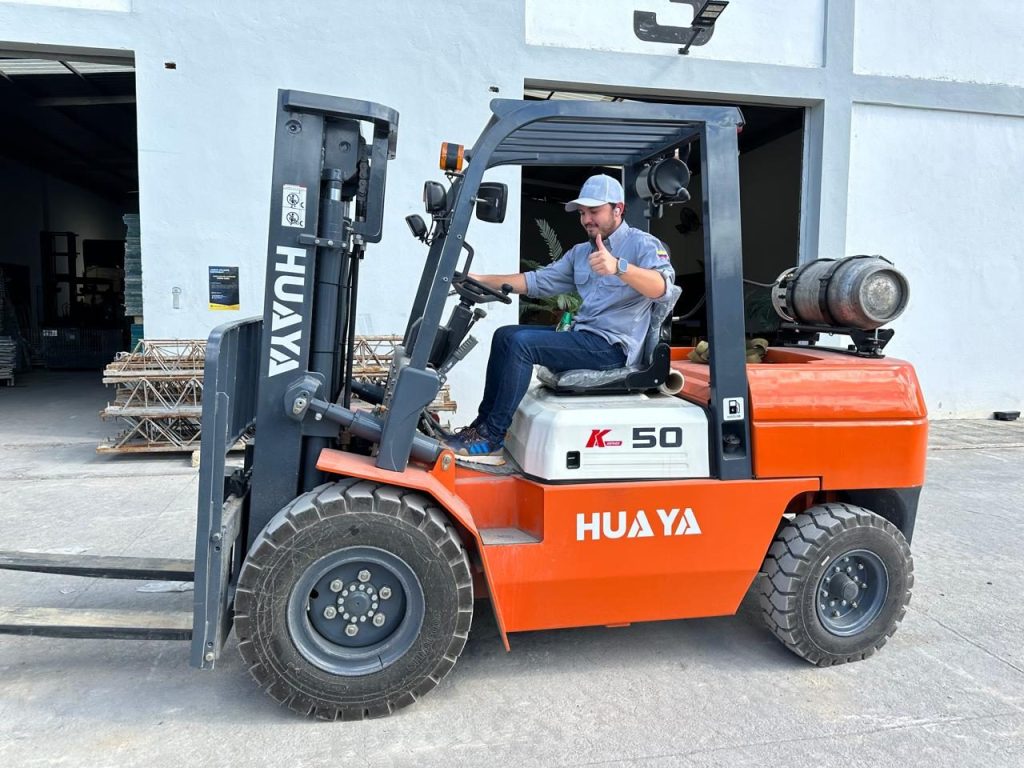
At the back of the forklift, you’ll notice a cylindrical tank. That’s where the LPG is stored under high pressure. This tank typically holds enough fuel for an entire shift, making it highly practical.
The tank connects to fuel lines and valves that carefully control how much gas flows into the system. Safety here is critical because LPG is flammable, so every component is engineered for controlled release.
Internal Combustion Engine
Just like a gasoline car, LPG forklifts use an internal combustion engine (ICE). This engine converts fuel into mechanical energy through controlled explosions inside cylinders.
The engine is the “heart” of the forklift—it powers both movement and lifting operations.
Fuel Regulator and Vaporizer
Here’s where things get interesting. LPG is stored as a liquid, but engines need gas to burn. That’s where the vaporizer (or regulator) comes in.
It reduces pressure and converts liquid LPG into vapor before it enters the engine.
Think of it like turning ice into steam before feeding it into a machine—it must change form to be usable.
Hydraulic Lifting System
The lifting mechanism is powered by hydraulics. When the engine runs, it drives a pump that moves hydraulic fluid. This fluid pressure raises and lowers the forks.
Without hydraulics, your forklift would just be a moving vehicle with no lifting power.
Step-by-Step Working Principle of LPG Forklift
Step 1 – Fuel Storage and Pressurization
Everything begins with the LPG tank. Inside, the gas is stored as a liquid under pressure. This pressurization allows more fuel to be stored in a compact space.
When the forklift starts, valves open to release LPG from the tank into the fuel system.
Step 2 – Fuel Vaporization Process
As LPG leaves the tank, it enters the regulator/vaporizer. Here, pressure drops, and the liquid instantly turns into gas.
This step is crucial. Without vaporization, the engine wouldn’t be able to burn the fuel properly.
Step 3 – Air-Fuel Mixing
Next, the LPG vapor mixes with air in the carburetor or fuel injection system. This mixture must be precise—too much fuel or too little air can reduce efficiency or damage the engine.
Think of it like baking: the right ratio of ingredients determines whether the result is perfect or a disaster.
Step 4 – Combustion Inside Engine
The air-fuel mixture enters the engine cylinders. Then:
- The piston compresses the mixture
- A spark plug ignites it
- Explosion pushes the piston down
This is the classic four-stroke engine cycle, generating energy.
This explosion is controlled and repeated thousands of times per minute.
Step 5 – Power Transmission
The energy from combustion turns the crankshaft, which transfers power through the transmission to the wheels.
At this point, the forklift can move forward, reverse, or change speed.
Step 6 – Hydraulic Lifting Operation
Simultaneously, the engine powers a hydraulic pump. This pump pressurizes fluid that moves cylinders connected to the forks.
That’s how heavy loads—sometimes several tons—are lifted smoothly.
How LPG Engine Differs from Diesel and Electric Forklifts
LPG vs Diesel
| Feature | LPG Forklift | Diesel Forklift |
|---|---|---|
| Emissions | Cleaner, low smoke | High emissions |
| Noise | Quieter | Louder |
| Indoor Use | Suitable | Limited |
| Fueling | Quick tank swap | Refueling needed |
LPG burns cleaner, producing fewer pollutants compared to diesel engines.
LPG vs Electric
| Feature | LPG Forklift | Electric Forklift |
|---|---|---|
| Refueling | Minutes | Hours charging |
| Power | Strong | Moderate |
| Maintenance | Medium | Low |
| Runtime | Continuous with tank swap | Limited by battery |
Electric forklifts are quiet and eco-friendly, but LPG wins when you need continuous operation.
Advantages of LPG Forklifts
Cleaner Emissions
LPG produces fewer harmful emissions like particulate matter and nitrogen oxides.
This makes it safer for indoor environments compared to diesel.
Fast Refueling
Instead of waiting hours, you can swap an LPG tank in minutes. This dramatically reduces downtime.
Strong Performance
LPG forklifts offer solid torque and power, making them suitable for heavy-duty applications.
They also perform well in cold weather, unlike some diesel engines.
Limitations of LPG Forklifts
Fuel Cost Considerations
While LPG is efficient, fuel prices can fluctuate. In some regions, it may cost more than diesel.
Safety Requirements
Because LPG is flammable, operators must follow strict safety protocols when handling tanks.
Safety Tips When Operating LPG Forklifts
Handling LPG Cylinders
Always ensure tanks are properly secured and valves are tightly closed. Even a small leak can be dangerous.
Maintenance Practices
Regular inspection of hoses, regulators, and valves is essential. Preventive maintenance reduces risks and improves efficiency.
Applications Across Industries
LPG forklifts are widely used in:
- Warehousing
- Manufacturing
- Food and beverage storage
- Logistics and distribution
Their versatility allows them to operate both indoors and outdoors effectively.
An LPG forklift works by converting liquefied petroleum gas into vapor, mixing it with air, and igniting it inside an internal combustion engine to generate power. That power drives both movement and lifting functions through mechanical and hydraulic systems.
What makes LPG forklifts stand out is their balance—they’re cleaner than diesel, more flexible than electric, and powerful enough for most industrial tasks. If you’re running operations that demand efficiency, quick refueling, and reliable performance, LPG forklifts remain one of the smartest choices available today.
FAQs
1. Is LPG forklift better than diesel?
It depends on your needs. LPG is cleaner and better for indoor use, while diesel offers more raw power for outdoor heavy-duty tasks.
2. How long does an LPG tank last on a forklift?
Typically, one tank lasts an entire shift (6–8 hours), depending on workload.
3. Are LPG forklifts safe indoors?
Yes, they produce fewer emissions, but proper ventilation is still necessary.
4. How often should LPG forklifts be maintained?
Routine checks should be done daily, with full servicing based on operating hours.
5. Can LPG forklifts be used outdoors?
Absolutely. They are versatile and perform well both indoors and outdoors.


Hot Products
Forklift Maintenance Checklist: Daily, Weekly & Monthly
Forklift Safety Features: What to Look for Before Buying
Forklift Attachments Guide: 8 Types Every Buyer Should Know
Heavy-Duty Diesel Forklift Buying Guide: 7 Key Factors


