
How to Drive an Electric Forklift ?
11 May 2026
Electric forklifts have quietly become the backbone of modern warehouses, logistics centers, and manufacturing facilities. Walk into almost any distribution hub today, and you’ll hear the soft hum of electric motors instead of the loud roar of diesel engines. Businesses are switching because electric forklifts are cleaner, quieter, and more cost-effective over time. But here’s the catch: despite being easier to operate than traditional fuel-powered machines, they can still be extremely dangerous when handled incorrectly. OSHA continues to rank powered industrial trucks among the most frequently cited workplace safety violations, with over 1,800 violations reported in FY 2025 alone.
Learning how to drive an electric forklift is not just about pressing a pedal and moving pallets around. It’s more like learning how to control a heavy moving chess piece inside a crowded warehouse where every move matters. A small mistake can damage expensive products, destroy racking systems, or seriously injure workers nearby. Forklift-related accidents still result in thousands of injuries every year, and many of them happen because operators skip basic safety steps or underestimate the machine’s weight and turning behavior. OSHA accident reports continue to show fatal incidents involving forklifts in warehouses and industrial sites.
This guide walks you through everything you need to know about driving an electric forklift safely and efficiently. Whether you are a beginner preparing for training or an experienced operator wanting to sharpen your skills, understanding the fundamentals can make a massive difference in workplace safety and productivity.
Understanding Electric Forklifts
What Is an Electric Forklift?
An electric forklift is a powered industrial vehicle designed to lift, move, and stack materials using an electric battery system instead of diesel, LPG, or gasoline engines. Think of it as the warehouse equivalent of an electric car. Instead of burning fuel, it relies on rechargeable industrial batteries that power the drive motor and hydraulic systems. These forklifts are commonly used indoors because they produce zero exhaust emissions and operate much more quietly than internal combustion models.
Most electric forklifts have a similar structure: forks at the front, a mast for lifting, rear-wheel steering, overhead guards, and a counterweight system to balance loads. The battery itself often acts as part of the counterweight due to its heavy size. What surprises many beginners is just how heavy these machines actually are. Even smaller electric forklifts can weigh several thousand kilograms, which means they require careful control and stopping distance awareness. Reddit warehouse workers often compare the weight of forklifts to multiple passenger cars combined, emphasizing how dangerous careless operation can become.
Electric forklifts are especially popular in industries like retail distribution, food storage, pharmaceutical warehouses, and manufacturing plants. Because they create less noise and no exhaust fumes, operators experience a cleaner and more comfortable work environment. That quieter operation, however, can create another hidden risk: pedestrians may not hear the forklift approaching. This makes awareness and proper signaling absolutely essential when driving indoors.
Why Electric Forklifts Are Popular in Warehouses
The rise of e-commerce and high-speed logistics has pushed companies toward electric forklifts at an incredible pace. Warehouses now prioritize efficiency, sustainability, and lower operating costs. Electric forklifts check all three boxes. They require less maintenance than diesel forklifts because they have fewer moving engine parts, no oil changes, and fewer fluid systems to manage. Over time, businesses save substantial amounts on maintenance and fuel expenses.
Another major advantage is maneuverability. Electric forklifts often feature tighter turning radiuses, making them ideal for narrow warehouse aisles. Imagine trying to navigate a large pickup truck through a crowded supermarket aisle. That’s essentially what operators deal with in warehouses every day. Electric forklifts provide smoother acceleration and more precise steering control, helping operators work safely in confined spaces.
There’s also the environmental factor. Companies worldwide are trying to reduce carbon emissions, and switching to electric warehouse equipment helps support those goals. Many governments and corporations now encourage the adoption of electric material-handling equipment. Warehouses handling food and pharmaceutical products especially prefer electric forklifts because there are no harmful emissions contaminating indoor air.
Still, despite all these benefits, electric forklifts remain potentially dangerous if used carelessly. OSHA investigations and accident databases continue to document serious injuries caused by unsafe forklift practices, including improper lifting, speeding, and failure to maintain visibility.
Basic Forklift Safety Before Driving
Required Training and Certification
Before anyone drives an electric forklift, proper training and certification are absolutely necessary. Forklifts are not like ordinary vehicles. They steer differently, carry unstable loads, and behave unpredictably under heavy weight shifts. Rear-wheel steering alone can confuse new operators because the back swings outward during turns, increasing collision risks in tight spaces.
OSHA requires forklift operators to complete formal training and practical evaluations before operating powered industrial trucks in the workplace. Inadequate operator training remains one of the most common OSHA forklift violations in 2025. A typical certification program includes classroom instruction, safety procedures, equipment familiarization, and supervised driving practice. Some countries require multi-day licensing courses, while others rely on employer-based certification systems.
Good forklift training teaches much more than driving. Operators learn load balancing, hazard recognition, battery handling, pedestrian awareness, and emergency procedures. Experienced trainers often use real accident examples because the consequences of mistakes can be severe. Online discussions from warehouse workers frequently mention how some workplaces provide minimal forklift instruction, which increases accident risks dramatically.
Even after certification, operators should receive refresher training whenever accidents occur, unsafe behavior is observed, or new equipment is introduced. Skills can fade over time, especially if operators become overly comfortable and start ignoring procedures. Safe forklift driving is built on consistent habits, not just passing a one-time test.
Essential Personal Protective Equipment
Before stepping into an electric forklift, operators should wear appropriate personal protective equipment, often called PPE. This may seem basic, but it’s one of the simplest ways to reduce injury risks in warehouses. Steel-toe safety shoes protect feet from dropped pallets or heavy objects. High-visibility vests help pedestrians and other equipment operators see forklift drivers more clearly in busy environments.
Hard hats may be required in facilities with overhead hazards, while gloves improve grip when handling pallets or battery connectors. In colder storage facilities, insulated gear may also be necessary because electric forklifts are frequently used in refrigerated warehouses.
Seat belts are another critical safety feature that many operators underestimate. Some drivers mistakenly believe jumping out during a tip-over is safer, but that often leads to crushing injuries. The safest action during a forklift tip-over is to stay seated, brace yourself, and lean away from the direction of the fall while wearing the seat belt.
Good PPE works like armor in a medieval battle. It won’t make you invincible, but it drastically improves your chances when something unexpected happens. Warehouses that enforce PPE consistently usually experience fewer severe injuries because workers remain constantly aware of operational hazards.
Pre-Operation Inspection Checklist
Checking Tires, Forks, and Mast
Before driving an electric forklift, operators should perform a full pre-operation inspection. Think of this process like a pilot inspecting an airplane before takeoff. Skipping inspections may save a few minutes, but it can create dangerous situations later in the shift.
Start with the tires. Look for excessive wear, cracks, embedded debris, or uneven surfaces. Damaged tires reduce stability and traction, especially when carrying heavy loads. Next, inspect the forks carefully. Bent forks, cracks, or uneven fork positioning can destabilize loads and increase tipping risks.
The mast and chains should also be checked for visible damage or improper tension. Hydraulic leaks are another warning sign that should never be ignored. Even a small hydraulic issue can lead to sudden load drops or lifting failures during operation.
Here’s a simple inspection overview:
| Component | What to Check | Why It Matters |
|---|---|---|
| Tires | Wear, damage, debris | Stability and traction |
| Forks | Cracks, bends, alignment | Safe load handling |
| Mast | Chain tension, leaks | Lifting reliability |
| Lights | Functionality | Visibility and safety |
| Horn | Proper operation | Pedestrian warning |
| Brakes | Responsiveness | Safe stopping |
Skipping inspections is one of the fastest ways to create workplace accidents. OSHA investigations repeatedly show that poor maintenance and ignored defects contribute to serious forklift incidents.
Inspecting Battery and Controls
Electric forklifts rely entirely on battery systems, so battery inspections are essential. Check battery charge levels before operation and inspect connectors for corrosion or loose cables. Damaged battery systems can create electrical hazards, reduced performance, or even fires during charging.
Operators should also test all controls before moving the forklift. This includes steering, acceleration, brakes, horn, lift controls, emergency stop functions, and warning lights. Every control should respond smoothly and predictably.
One important thing many beginners overlook is brake sensitivity. Electric forklifts often stop differently than regular vehicles because regenerative braking systems may engage automatically when the accelerator is released. Practicing gradual stopping techniques helps prevent jerky movements that destabilize loads.
Battery compartments should remain clean and dry at all times. Water exposure, damaged cables, or improper charging methods can create dangerous electrical situations. According to workplace electrical safety statistics released in 2025, electrical injuries still remain a serious occupational hazard in industrial environments.
Step-by-Step Guide to Driving an Electric Forklift
Getting Into the Forklift Properly
Climbing into a forklift may sound simple, but proper entry techniques matter. Always use three points of contact when entering or exiting the machine. That means keeping two hands and one foot, or two feet and one hand, connected to the forklift at all times. Jumping in or out increases slip-and-fall risks significantly.
Adjust the seat so you can comfortably reach all controls and maintain clear visibility. Fasten the seat belt before starting the forklift. Mirrors should also be adjusted to minimize blind spots around the vehicle.
Starting the Electric Forklift
Starting an electric forklift is generally quieter and smoother than starting diesel equipment. Insert the key or activate the power system according to the manufacturer’s instructions. Before moving, ensure the parking brake is engaged and all warning lights function properly.
Listen carefully for unusual sounds during startup. Strange noises may indicate motor, hydraulic, or electrical problems that require immediate attention. Electric forklifts operate quietly, which means operators must rely heavily on awareness rather than sound cues.
Understanding Forklift Controls
Electric forklift controls usually include:
- Steering wheel
- Accelerator pedal
- Brake pedal
- Hydraulic lift levers
- Tilt controls
- Direction selector
- Parking brake
- Horn
The steering system is often the most challenging part for beginners because forklifts steer using rear wheels instead of front wheels. This causes the back end to swing outward during turns. Imagine dragging a shopping cart backward through a narrow aisle—that unusual movement pattern is similar to forklift steering dynamics.
Operators should practice slow, controlled movements before handling heavy loads or navigating crowded areas.
Moving Forward and Reversing
Always drive at safe speeds. Forklifts are not race cars, even if some operators treat them that way in busy warehouses. Speeding reduces stopping distance and increases rollover risks, especially during turns.
Keep forks low to the ground while traveling—usually about 10 to 15 centimeters above the floor. Raised forks shift the center of gravity upward, making tip-overs more likely.
When reversing, turn your head and look in the direction of travel instead of relying only on mirrors. Sound the horn at intersections, doorways, and blind corners. Pedestrian awareness remains one of the most important aspects of forklift safety because many warehouse accidents involve workers walking near moving equipment.
Steering and Turning Safely
Turns should always be taken slowly and smoothly. Sudden steering movements can destabilize both the forklift and the load. Because forklifts carry heavy counterweights, rapid directional changes create dangerous momentum shifts.
A good rule is simple: slow down before turning, not during the turn. This keeps the forklift balanced and easier to control. Wet floors, uneven surfaces, and ramps require extra caution because traction changes quickly under heavy loads.
Lifting and Lowering Loads
Before lifting any load, ensure the weight does not exceed the forklift’s rated capacity. Overloading is one of the fastest ways to tip a forklift forward. Operators should position forks evenly beneath the pallet and center the load whenever possible.
Tilt the mast slightly backward before moving to stabilize the load. Raise loads only when stationary and on level ground. Traveling with elevated loads blocks visibility and dramatically increases instability.
Think of load handling like balancing a tray full of drinks while walking quickly. The higher the tray moves, the easier it becomes to spill everything. Forklifts behave the same way with elevated loads.
Parking the Forklift Correctly
At the end of operation, park the forklift in designated areas only. Fully lower the forks to the ground, apply the parking brake, turn off the power, and remove the key if required.
Never leave a forklift unattended with raised forks. Raised forks create serious trip hazards and can accidentally lower if hydraulic systems fail.
Common Mistakes New Operators Make
Driving Too Fast
New operators often become overconfident after learning the basics. They start driving too quickly, especially in familiar warehouse routes. Unfortunately, forklifts are unforgiving machines when momentum builds unexpectedly.
Fast driving reduces reaction time and increases stopping distance. Sharp turns at high speeds can cause rollovers, especially with raised loads. OSHA accident investigations repeatedly show that unsafe operating speed contributes to serious injuries and fatalities.
Carrying Unbalanced Loads
Improperly balanced loads are another common mistake. Uneven pallets shift weight unpredictably, making steering and braking far more dangerous. Operators should always inspect pallet stability before lifting.
If a load blocks forward visibility, the safest approach is driving in reverse while maintaining clear awareness of surroundings. Trying to “peek around” oversized loads often leads to collisions.
Electric Forklift Safety Rules in Warehouses
Pedestrian Awareness
Warehouses are shared environments where forklifts and pedestrians constantly interact. One distracted worker stepping into a forklift path can create a catastrophic accident within seconds.
Operators should maintain eye contact with pedestrians whenever possible and use horns at blind intersections. Warehouse floor markings, warning lights, and designated pedestrian lanes help reduce collision risks, but awareness remains the strongest defense.
Many warehouse workers online describe how easily pedestrians ignore forklift hazards because electric forklifts operate quietly. This silent operation makes vigilance even more important than with loud diesel equipment.
Battery Charging Safety
Battery charging areas present unique hazards. Charging industrial batteries generates heat and potentially explosive hydrogen gas. Proper ventilation is essential.
Operators should wear appropriate protective equipment during charging procedures and avoid smoking or open flames nearby. Damaged charging cables should never be used.
Battery maintenance also affects forklift lifespan. Proper charging schedules, water levels, and cleaning routines help maximize performance while reducing downtime.
Maintenance Tips for Better Performance
Daily Maintenance Routine
Daily maintenance keeps electric forklifts operating efficiently and safely. Clean debris from wheels and battery compartments, inspect hydraulic systems, and report unusual noises immediately.
Preventive maintenance works like regular health checkups for the forklift. Small issues caught early prevent expensive breakdowns later.
Long-Term Battery Care
Battery care is one of the most important aspects of electric forklift ownership. Poor charging habits shorten battery lifespan significantly. Operators should follow manufacturer charging guidelines carefully and avoid unnecessary overcharging.
Proper battery maintenance can dramatically reduce operating costs and extend equipment life. Warehouses relying heavily on electric forklifts often schedule dedicated battery maintenance programs to maximize efficiency.
Learning how to drive an electric forklift safely requires much more than basic steering and lifting skills. Operators must understand load balance, warehouse awareness, inspection procedures, and safe driving habits. Electric forklifts may look compact and easy to handle, but they are heavy industrial machines capable of causing severe damage when operated carelessly.
The safest forklift operators are not necessarily the fastest ones. They are the people who stay alert, follow procedures consistently, and respect the equipment every single day. Warehouses move quickly, deadlines pile up, and pressure builds constantly, but safety can never become optional.
With proper training, daily inspections, cautious driving, and strong situational awareness, electric forklifts become incredibly efficient tools that improve warehouse productivity while protecting workers and products alike.
FAQs
1. Do you need a license to drive an electric forklift?
Yes. Most workplaces require forklift operators to complete certified training and practical evaluations before operating an electric forklift legally and safely.
2. Is an electric forklift easier to drive than a diesel forklift?
Generally, yes. Electric forklifts are quieter, smoother, and easier to maneuver indoors, especially in tight warehouse spaces.
3. How fast should you drive an electric forklift?
Operators should always drive at safe speeds appropriate for the environment. Speed limits vary by facility, but slow and controlled driving is essential for safety.
4. What is the most common forklift accident?
Collisions, tip-overs, and pedestrian accidents are among the most common forklift incidents reported in warehouses and industrial sites.
5. How long does an electric forklift battery last?
Most industrial forklift batteries last around 5 years or more depending on charging habits, maintenance quality, and operating conditions.


Hot Products
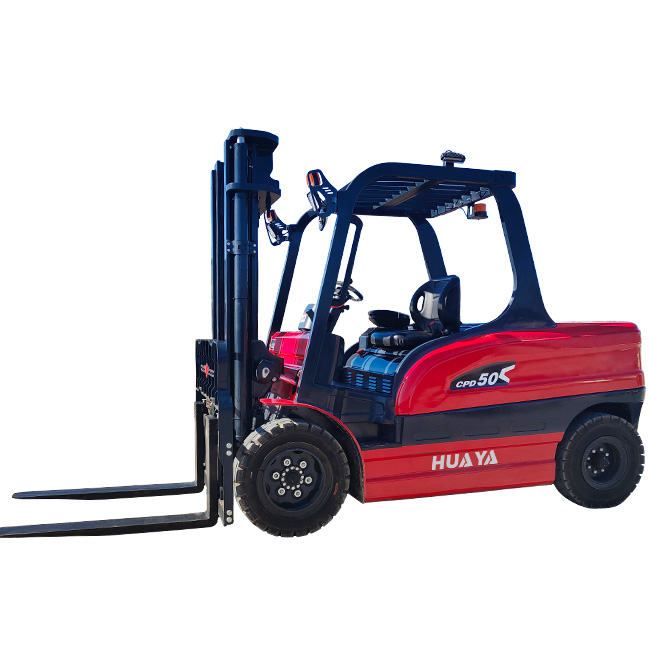
Forklift Charging Infrastructure: A Planning Guide
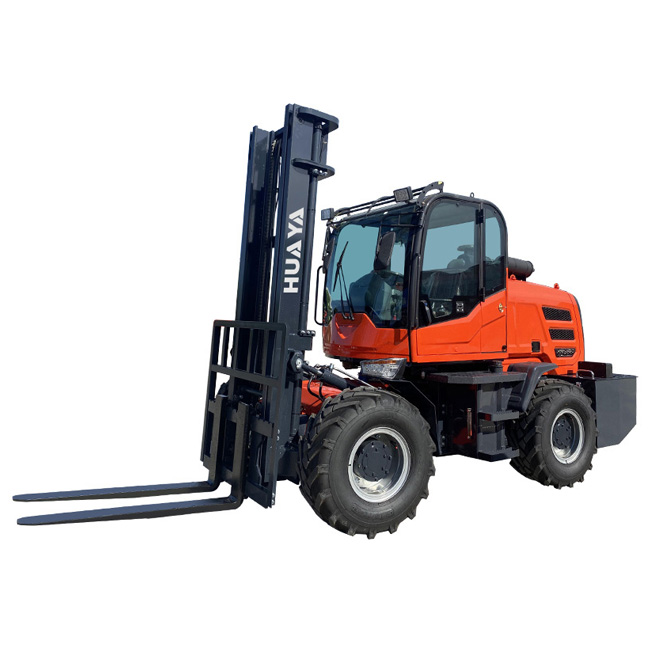
Forklift Tires Guide: Cushion vs Pneumatic vs Solid
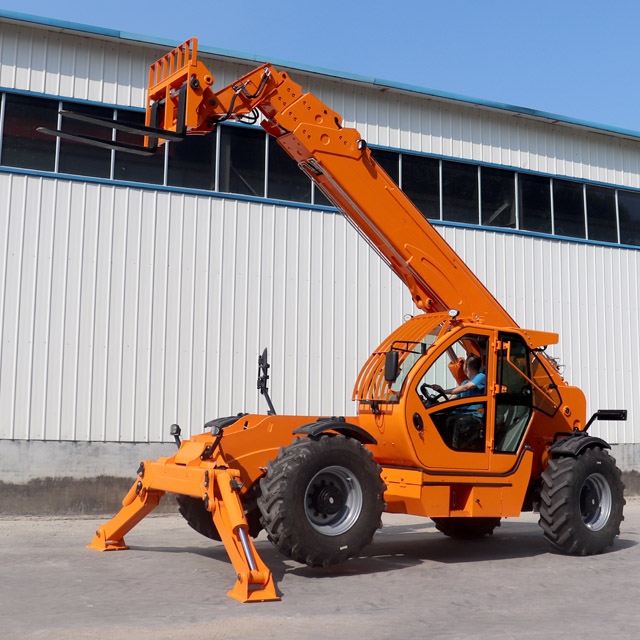
Forklift Mast Guide: 2-Stage vs 3-Stage vs Full Free Lift
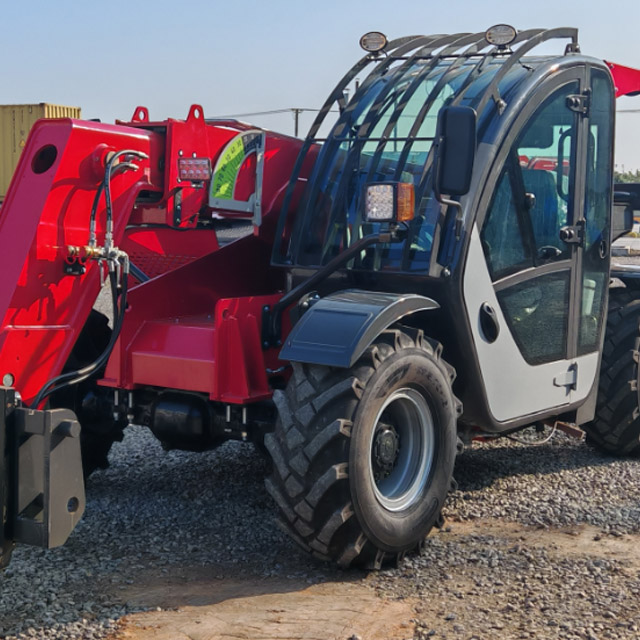
Rough Terrain Forklifts: When Does Your Site Need One?


