

Is a Forklift Considered Heavy Equipment?
23 Mar 2026
What Qualifies as Heavy Equipment
When people hear the term heavy equipment, they often picture massive machines roaring across construction sites, digging trenches or moving mountains of dirt. That mental image isn’t wrong—but it’s incomplete. Heavy equipment typically refers to machinery designed for construction, mining, agriculture, or earthmoving tasks. These machines are engineered to handle extreme loads, reshape terrain, and perform tasks that require significant power and durability.
A machine becomes “heavy equipment” because of what it does, not just how big it is.
This is where things start to get interesting. Many people assume that any large industrial machine automatically qualifies as heavy equipment. But that’s not always the case. In fact, regulatory bodies draw clear distinctions based on purpose, not appearance. So even if a machine weighs several tons, it may still fall outside the heavy equipment category if its primary function differs.
Now compare that to a forklift. At first glance, it might seem just as powerful, especially when lifting heavy pallets. But its purpose is entirely different. Instead of reshaping the earth, a forklift is focused on lifting, stacking, and transporting goods within controlled environments. That difference may seem subtle, but it’s the foundation of how forklifts are classified.
What Is a Forklift?
Basic Structure and Function
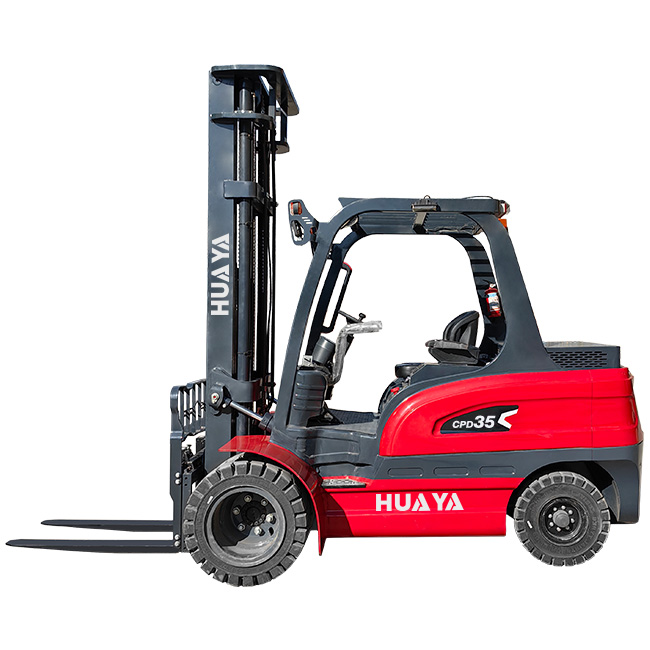
A forklift is a specialized industrial vehicle designed to lift and move materials over short distances. It uses two prongs—called forks—attached to a vertical mast to raise and lower loads. You’ll typically see forklifts in warehouses, factories, logistics centers, and ports, where efficiency and precision are critical.
What makes forklifts unique is their ability to handle palletized goods. Instead of digging or pushing materials like heavy equipment, forklifts are all about organized movement. They excel in tight spaces, narrow aisles, and indoor environments where larger machines simply can’t operate.
From a design perspective, forklifts are built for balance and stability. The counterweight at the rear offsets the load at the front, allowing operators to lift heavy items safely. This engineering approach is completely different from heavy equipment, which relies on brute force and large attachments.
Types of Forklifts
Forklifts aren’t one-size-fits-all machines. In fact, they come in several variations depending on their application. According to safety standards, there are seven main classes of forklifts, ranging from electric warehouse models to rough terrain machines.
These include:
- Electric rider forklifts
- Narrow aisle forklifts
- Hand pallet trucks
- Internal combustion forklifts
- Rough terrain forklifts
Each type is tailored for a specific environment. For example, electric forklifts are ideal for indoor use due to zero emissions, while diesel-powered models are better suited for outdoor operations.
This diversity further highlights why forklifts are treated as a separate category. They are not designed for a single heavy-duty purpose but rather for efficient material handling across different industries.
OSHA Classification of Forklifts
Powered Industrial Trucks Explained
Here’s where the answer becomes crystal clear. According to workplace safety regulations, forklifts are officially classified as powered industrial trucks, not heavy equipment.
This classification comes from OSHA (Occupational Safety and Health Administration), which regulates workplace safety in the United States. Under OSHA standards, forklifts fall under 29 CFR 1910.178, a category specifically dedicated to powered industrial trucks.
This group includes:
- Forklifts
- Platform lift trucks
- Motorized hand trucks
- Industrial tractors
The key takeaway is that forklifts are part of a completely separate regulatory framework. They are governed by rules that focus on material handling, not construction or earthmoving.
Why Forklifts Are Not Heavy Equipment
So why doesn’t OSHA classify forklifts as heavy equipment? The answer lies in their primary function. Heavy equipment is designed for earthmoving and construction, while forklifts are designed for lifting and transporting goods.
Even large forklifts—like rough terrain models weighing over 20,000 pounds—are still categorized as powered industrial trucks. That’s because their purpose hasn’t changed. They still lift and place materials rather than reshape the environment.
This distinction is more than just technical jargon. It affects training requirements, safety protocols, and even legal responsibilities. Misclassifying a forklift as heavy equipment can lead to compliance issues and costly penalties.
Key Differences Between Forklifts and Heavy Equipment
Purpose and Function
The most important difference comes down to purpose. Heavy equipment is built to transform landscapes, while forklifts are built to move goods efficiently. One is about construction; the other is about logistics.
Imagine trying to use a forklift to dig a trench—it simply wouldn’t work. Likewise, using a bulldozer to stack pallets in a warehouse would be impractical. Each machine is designed for a specific role, and that role defines its classification.
Operating Environment
Another major difference is where these machines operate. Heavy equipment is typically used outdoors in rugged environments like construction sites, mines, and farms. Forklifts, on the other hand, are commonly used indoors or in controlled outdoor settings like warehouses and distribution centers.
This difference in environment also affects safety requirements. Forklifts must navigate tight spaces and interact with pedestrians, while heavy equipment operators deal with uneven terrain and large-scale operations.
Design and Attachments
Forklifts use a mast and forks to lift loads vertically. Heavy equipment uses attachments like buckets, blades, and scrapers to manipulate materials horizontally or dig into the ground.
This design difference is crucial. It highlights why forklifts are not just smaller versions of heavy equipment—they are fundamentally different machines.
Are Forklifts Ever Considered Heavy Equipment?
Industry-Specific Interpretations
In everyday conversation, some people loosely refer to forklifts as heavy equipment, especially when they are large or used outdoors. In industries like construction, this informal classification can blur the lines.
However, from a legal and regulatory standpoint, forklifts remain powered industrial trucks. The terminology might vary in casual use, but the official classification does not change.
Rough Terrain Forklifts
Rough terrain forklifts are where things get confusing. These machines look similar to construction equipment and are often used on job sites. They can handle uneven ground and heavy loads, making them appear like traditional heavy equipment.
Despite these similarities, they are still classified as forklifts because their main function is lifting and placing materials—not earthmoving.
Forklift Classes Explained
Overview of 7 Classes
Forklifts are divided into seven classes based on power source and design. This classification helps standardize training and safety requirements.
| Class | Type | Typical Use |
|---|---|---|
| I | Electric Rider | Warehouses |
| II | Narrow Aisle | Tight spaces |
| III | Hand Trucks | Small loads |
| IV | IC Engine (Cushion) | Indoor/outdoor |
| V | IC Engine (Pneumatic) | Outdoor |
| VI | Tractors | Towing |
| VII | Rough Terrain | Construction sites |
Electric vs Internal Combustion Forklifts
Electric forklifts are quieter, cleaner, and ideal for indoor use. Internal combustion forklifts, powered by diesel or gas, are more robust and suitable for outdoor environments.
This variation further reinforces the idea that forklifts are a versatile category of industrial vehicles, not a subset of heavy equipment.
Legal and Safety Implications
Training Requirements
Operating a forklift requires specific training and certification provided by employers. OSHA mandates that operators must be trained, evaluated, and certified before using a forklift.
Unlike heavy equipment licenses, forklift certification is typically job-specific. This means you may need retraining when switching workplaces or equipment types.
Certification Differences
Heavy equipment operators often require more extensive training due to the complexity and risks involved. Forklift training, while still critical, is more focused on safe material handling and workplace awareness.
Cost, Insurance, and Tax Considerations
Depreciation Rules
Forklifts are treated differently from heavy equipment in terms of taxation. They often qualify for Section 179 deductions, allowing businesses to expense the full purchase cost in the same year.
Insurance Categories
Insurance policies also distinguish between forklifts and heavy equipment. Forklifts are usually covered under material handling equipment policies, while heavy equipment falls under construction equipment insurance.
Misconceptions About Forklifts
Size Equals Heavy Equipment?
One of the biggest myths is that size determines classification. Just because a forklift is large or powerful doesn’t mean it’s heavy equipment.
Construction Site Confusion
Seeing forklifts on construction sites often leads to confusion. But location doesn’t define classification—function does.
When You Should Treat a Forklift Like Heavy Equipment
Safety Practices
Even though forklifts aren’t technically heavy equipment, they can still be dangerous. Thousands of injuries occur each year due to forklift accidents.
Risk Management
Treating forklifts with the same level of caution as heavy equipment is a smart move. Proper training, maintenance, and safety protocols are essential.
So, is a forklift considered heavy equipment? The clear answer is no—at least not officially. Forklifts are classified as powered industrial trucks, a category that focuses on material handling rather than construction or earthmoving.
That said, the line can feel blurry in real-world situations, especially with larger or rough terrain models. But when it comes to regulations, safety standards, and industry definitions, forklifts stand firmly in their own category.
Understanding this distinction isn’t just about terminology—it’s about compliance, safety, and making informed decisions in your operations.
FAQs
1. Is a forklift legally considered heavy equipment?
No, forklifts are legally classified as powered industrial trucks, not heavy equipment.
2. Why do people call forklifts heavy equipment?
Because they are large and powerful, but this is an informal usage, not a regulatory classification.
3. Do forklifts require a heavy equipment license?
No, they require specific forklift training and certification, usually provided by employers.
4. Are rough terrain forklifts heavy equipment?
They may look like it, but they are still classified as forklifts.
5. What is the main difference between forklifts and heavy equipment?
The main difference is function—forklifts lift and move materials, while heavy equipment performs construction and earthmoving tasks.
Hot Products
Is a Forklift Considered Heavy Equipment?
How to Operate a Stand–Up Forklift?
How to Get Forklift Certified?
What Is Most Important When Operating a Forklift?