
New vs Used Forklifts: A Smart Buying Decision Guide
03 Sep 2026
New vs used forklifts is a decision framework, not a price question: weigh four elements before choosing a channel: usage intensity, budget, how critical the work is, and your need for warranty protection. Used machines can be a legitimate answer for light auxiliary tasks, while new equipment is usually the correct call for critical, multi-shift, or compliance-sensitive operations. This guide sets out the real price gap, the hidden costs of used units, the value a new machine protects, and a decision matrix that fits your operation.
The price gap between new and used forklifts is significant but easy to overstate. As an industry rule of thumb, a used forklift typically sells for 40-60% less than an equivalent new unit; published market ranges suggest new trucks from roughly $15,000 to $100,000 depending on capacity and power type, while common used units sit between $10,000 and $30,000. These figures are broad public industry ranges for reference only, and actual prices vary with age, hours, brand, and local market. The saving on the invoice is real; the question is what it costs downstream.
Used forklifts carry five hidden costs that rarely appear in the listing. First, remaining life: batteries and engines degrade with hours, and a lead-acid pack near the end of its life can cost thousands to replace. Second, history: structural fatigue and past accident repairs are not always visible, and a poor repair history converts into recurring failures. Third, compliance: older engines and battery systems may not meet current emission or safety expectations. Fourth, warranty: most used units are sold as-is. Fifth, downtime: a used truck that fails in a peak week costs production, not just repair money.
New machines protect value in ways a lower price cannot match. A full factory warranty covers major components for a defined period, and newer safety features such as operator presence sensing, cameras, and stability assist come as standard rather than absent or outdated options. Modern power choices, including lithium-ion electric, deliver lower energy and maintenance costs, and the truck arrives with a clean, verifiable history and predictable service intervals. Over the life of the machine, these factors often close much of the initial price gap.
Match the channel to the work. Consider used when the truck supports auxiliary tasks, runs less than roughly four hours per shift, and a failure causes inconvenience rather than shutdown. Choose new when the machine is critical to production, works multiple shifts, handles heavy loads continuously, or must meet strict safety and emission requirements. For operations between these cases, a new entry-level model or a factory-supported machine usually delivers better risk-adjusted value than an aging bargain.
If you still choose used, inspect before you pay. Check the hour meter and ask for service records; examine the mast, carriage, and fork blades for wear and cracks; look for oil leaks under the engine, transmission, and hydraulics; test the brakes, steering, and lift functions under load; and have the battery or engine compression tested by a technician. Buy from a source that allows inspection and provides documentation, and use our guide on how to find a reliable forklift dealer to evaluate the channel itself.
When the decision points to new equipment, buying factory-direct changes the economics. HUAYA supplies new diesel and electric forklifts directly from the factory with full warranty coverage, current safety and emission specification, and pricing that removes dealer margins, across the new HUAYA diesel forklift range and 3.5-ton diesel forklift options for first-time buyers. For help matching a machine to your operation, our heavy-duty diesel forklift buying guide walks through the specification process. Get a factory-direct quote today and compare total ownership cost, not just the first invoice.


Hot Products
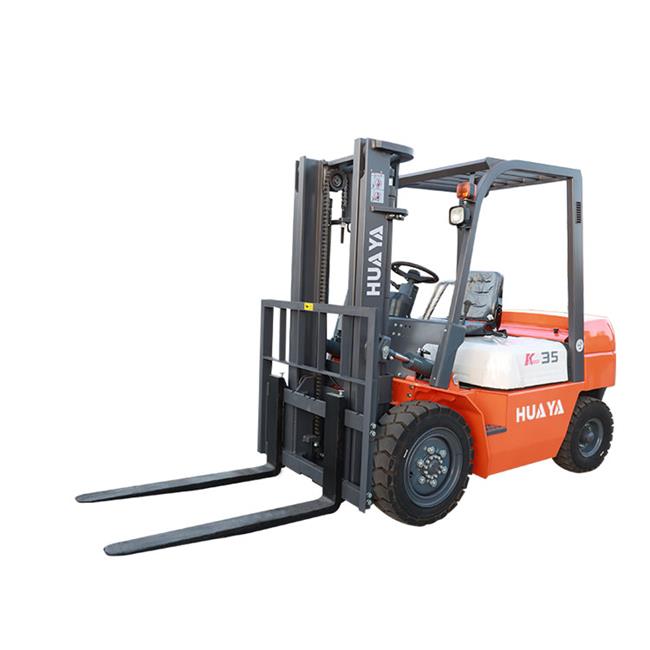
Forklift Lease vs Buy: Which Fits Your Operation?
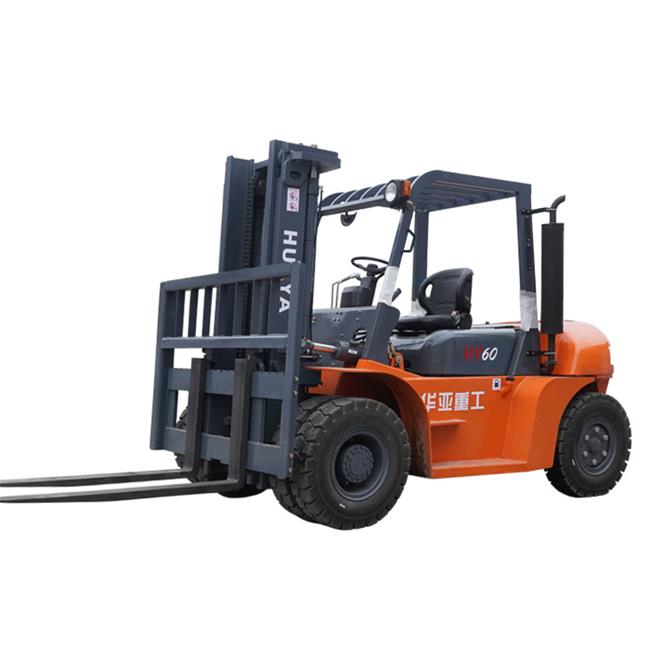
Forklift Spare Parts and After-Sales: A Buyer’s Guide
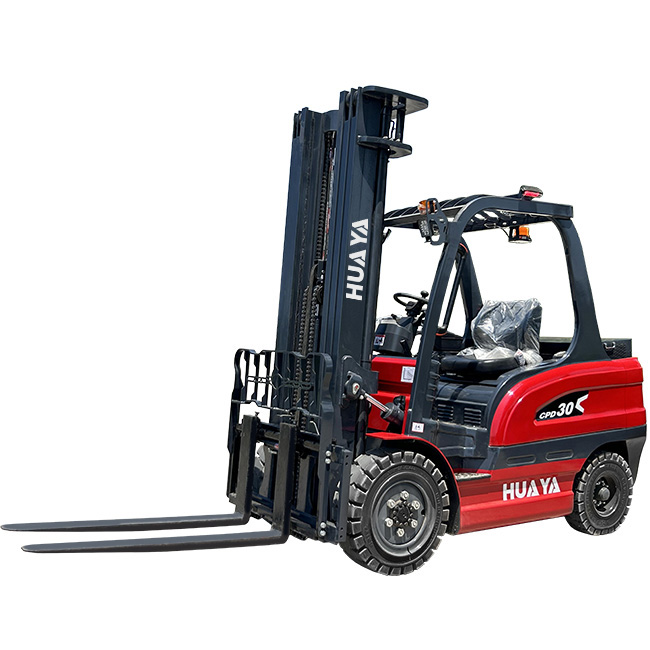
Forklifts for Container Loading: A Complete Guide
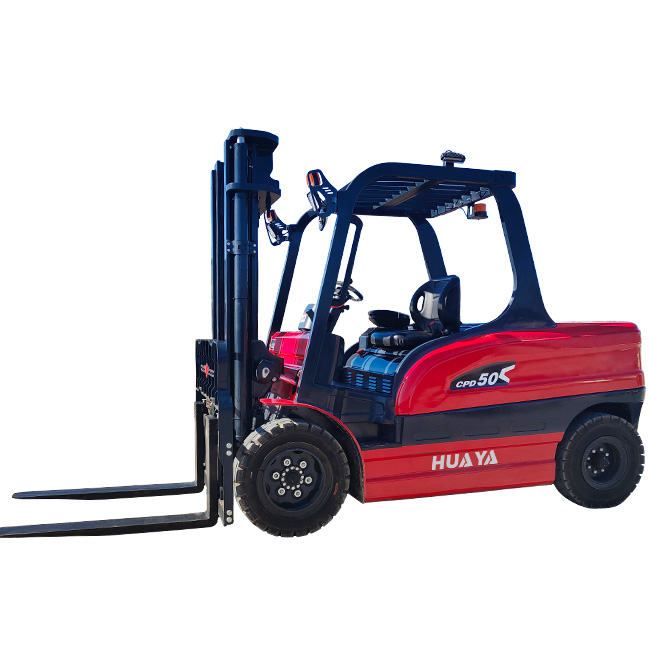
Forklift Charging Infrastructure: A Planning Guide


