

What Are the Tips for Pallet Stacking?
10 Mar 2026
Understanding Pallet Stacking Basics
What Is Pallet Stacking?
Pallet stacking is a fundamental process in warehouses and shipping operations where goods are systematically arranged on pallets to maximize space, protect products, and streamline handling. Imagine it like building a miniature skyscraper—but for boxes. The way you stack pallets can significantly affect warehouse efficiency, safety, and inventory management. If done incorrectly, a simple pallet stack can become a toppling hazard, leading to damaged goods and injuries. The goal is to ensure that every pallet is not only functional for storage but also safe for transportation.
Why Proper Stacking Matters
Improper pallet stacking can cause a cascade of issues. Besides the obvious safety hazards, poorly stacked pallets reduce storage efficiency, make forklift handling more difficult, and increase product damage. According to OSHA, warehouse incidents related to falling materials are among the most common workplace injuries, often stemming from unstable pallet stacks. By understanding the basics of weight distribution, alignment, and stacking methods, warehouse managers can drastically improve operations. Essentially, a well-stacked pallet saves time, reduces costs, and safeguards your employees—a win-win for any business.
Choosing the Right Pallet
Wooden vs Plastic Pallets
Choosing the right pallet is like choosing the foundation of a building: it has to be strong, stable, and suited to the load it will carry. Wooden pallets are traditionally popular due to affordability and versatility. They can carry heavy loads but may splinter or absorb moisture, compromising stability. Plastic pallets, on the other hand, are lightweight, resistant to moisture, and reusable, but they can be more expensive and may not support extremely heavy shipments. Selecting the correct type depends on product weight, storage environment, and long-term usage plans.
Consider Load Capacity
Every pallet has a maximum load capacity, often marked as a safe working load (SWL). Overloading a pallet is a recipe for disaster: boxes may collapse, products can get damaged, and forklifts may struggle with the added weight. As a tip, always stay at or below 80% of the pallet’s rated load capacity to ensure extra safety. Keep in mind, the combined weight of items and any securing materials like shrink wrap or straps must be considered. Proper planning at this stage prevents accidents and optimizes storage efficiency.
Preparing Items for Stacking
Check Weight Distribution
Weight distribution is critical for stability. Heavy items should always be placed at the bottom, while lighter items go on top—think of it as the inverted pyramid principle. Uneven distribution can tilt the stack, making it prone to tipping during transport or when handled by forklifts. Consider creating a “center of gravity map” for high-value or fragile goods, which can help staff visualize safe stacking patterns and minimize risks.
Use Proper Packaging Materials
Using the right packaging materials is not just about protection—it’s also about stability. Cardboard boxes should be sturdy enough to handle stacking without collapsing. Adding corner guards or edge protectors can further prevent crushing and maintain the integrity of the stack. Shrink wrap and stretch film aren’t just for dust—they help secure irregularly shaped items and keep multiple boxes from shifting during handling, which is crucial when stacking several layers on a single pallet.
Stacking Techniques for Safety and Efficiency
Column Stacking vs Interlocking Stacking
There are two main stacking techniques to consider. Column stacking involves stacking boxes directly on top of each other, aligning edges to form neat vertical columns. This method maximizes vertical space but may compromise stability with fragile items. Interlocking stacking, also called “brick stacking,” alternates boxes in a staggered pattern, increasing stability and minimizing the risk of tipping. Choosing between the two depends on item weight, box rigidity, and how often pallets will be moved.
Avoid Overhanging and Uneven Loads
Overhanging boxes are more than unsightly—they’re unsafe. Even a small overhang can make the stack unstable or cause damage when pallets rub against each other in tight storage aisles. Similarly, uneven loads create stress points that can cause boxes at the bottom to collapse. Always double-check alignment before moving a pallet with a forklift, and train staff to recognize potential hazards caused by misaligned stacks.
Securing Loads with Straps and Wraps
Securing pallets is like strapping a backpack before a long hike—you need everything tight to avoid accidents. Use heavy-duty straps for high-weight loads, and wrap pallets with stretch film to prevent boxes from sliding. Corner boards can help maintain straight edges, while shrink wrap adds friction to keep the boxes in place. Combining these methods is especially important when transporting pallets over long distances or storing them in high racks.
Weight and Height Considerations
Follow OSHA Guidelines
OSHA recommends that pallet stacks should not exceed heights that compromise safety, typically around 4 to 6 feet for manual handling and up to 7 to 8 feet if mechanical equipment like forklifts is used. Ignoring these regulations increases workplace accident risks and may result in penalties for non-compliance. Always check both load weight and height before stacking, and use proper signage to indicate maximum safe stacking heights.
Prevent Top-Heavy Stacks
A top-heavy stack is like a leaning tower of Pisa waiting to happen. Placing heavy items at higher levels or stacking too many layers without proper stabilization creates a tipping hazard. If a pallet seems unsteady, reduce the height, redistribute weight, or consider using stabilizing materials. Simple interventions like these can prevent costly accidents and protect both employees and products.
Pallet Stacking in Warehouse Operations
Organize by Product Type
Organizing pallets by product type helps streamline warehouse operations. Keep similar items together for faster picking, loading, and inventory management. For example, fragile products should have their own dedicated stacks with reinforced packaging, while bulk items like canned goods can be stacked more densely. This approach minimizes handling mistakes and ensures that high-value or delicate items receive extra care.
Use Pallet Racking Systems
Racking systems are a warehouse game-changer. They allow vertical storage while maintaining accessibility. Pallets are slotted onto shelves, reducing the risk of falling and optimizing floor space. Pairing racking systems with proper stacking techniques not only improves safety but also increases overall storage capacity, effectively turning a small warehouse into a highly efficient operation.
Common Mistakes to Avoid
Ignoring Load Stability
One of the biggest mistakes is neglecting load stability. Even minor tilts or uneven weight distribution can escalate into full pallet collapses. Regularly inspect pallets for shifts or leaning boxes and correct them immediately. It’s a small effort that prevents serious accidents and product loss.
Improper Stacking on Damaged Pallets
Damaged pallets are ticking time bombs. A weak, broken, or water-damaged pallet may fail under the weight of even modest loads. Inspect pallets before use, replacing any that show cracks, splinters, or warping. Remember, the strongest stacking technique won’t help if the base itself is compromised.
Training and Best Practices
Educating Warehouse Staff
No stacking guideline works without properly trained personnel. Staff should be familiar with weight distribution, stacking patterns, load limits, and safety protocols. Periodic training sessions and visual aids like posters or instructional videos can reinforce good habits. Involving employees in identifying potential hazards also boosts engagement and accountability.
Regular Inspections and Maintenance
Maintaining a safe warehouse requires consistent monitoring. Schedule regular inspections to check for leaning stacks, broken pallets, or compromised wrap. A proactive approach prevents accidents, reduces product damage, and extends the lifespan of pallets and warehouse equipment.
Proper pallet stacking is far more than a simple organizational task—it’s a critical part of warehouse safety, efficiency, and product protection. From choosing the right pallet type to using secure stacking techniques, every step matters. By following best practices, training staff, and conducting regular inspections, businesses can optimize storage space, reduce product loss, and minimize workplace accidents. Treat each pallet like a miniature building: strong foundation, stable middle, and carefully managed top. The result is a safer, more productive warehouse that runs like a well-oiled machine.
FAQs
-
What is the safest way to stack pallets?
The safest method combines proper weight distribution, interlocking stacking, and securing loads with wrap or straps to prevent shifting. -
How high can pallets be safely stacked?
OSHA guidelines recommend around 4–6 feet for manual handling and up to 7–8 feet for forklift-handled pallets, depending on load stability. -
Can I stack pallets with mixed product types?
While possible, it’s safer to organize pallets by product type to maintain weight balance and reduce the risk of damage. -
What materials should I use to secure stacked pallets?
Use stretch wrap, shrink film, corner boards, and heavy-duty straps to keep boxes stable and prevent shifting during handling. -
Why do some pallet stacks collapse even if stacked properly?
Collapses often occur due to damaged pallets, uneven floor surfaces, overhanging boxes, or neglecting to secure the load adequately.
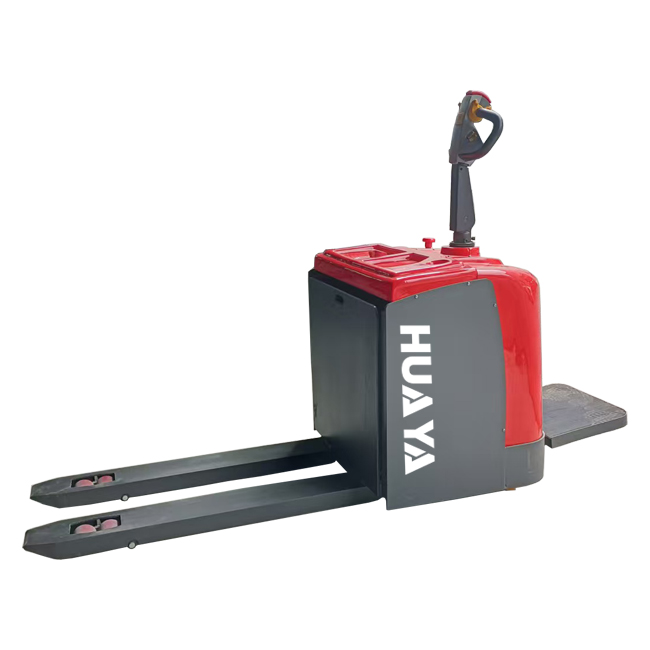 What are the Different Types of Pallet Trucks?
Hot Products
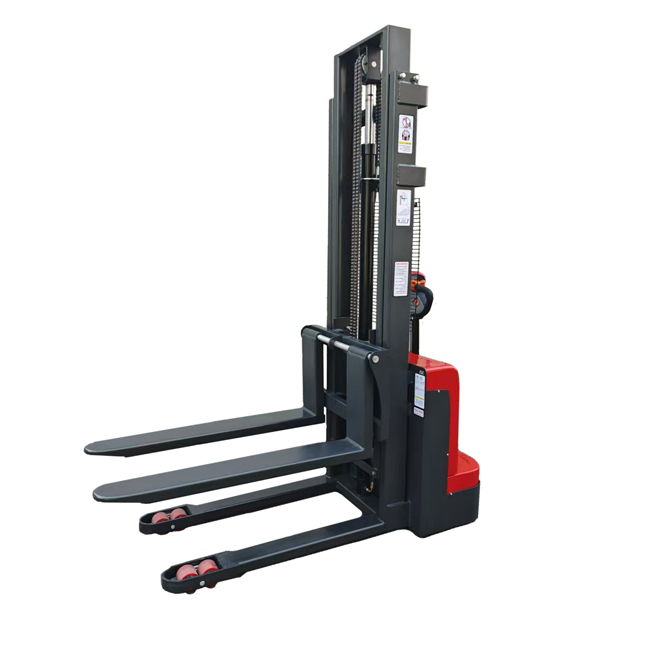
Can a Pallet Stacker Unload a Truck?
What is the Lifespan of an Electric Pallet Truck?
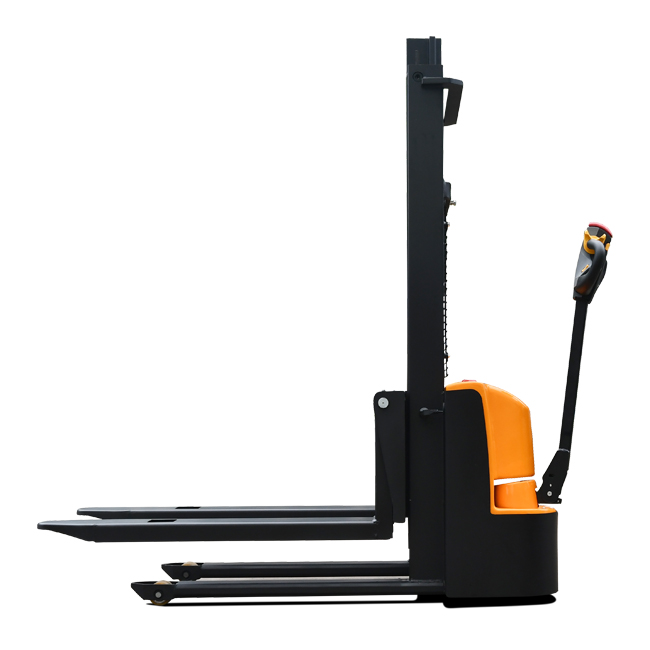
Which Is an Advantage of Using Stacker Trucks?
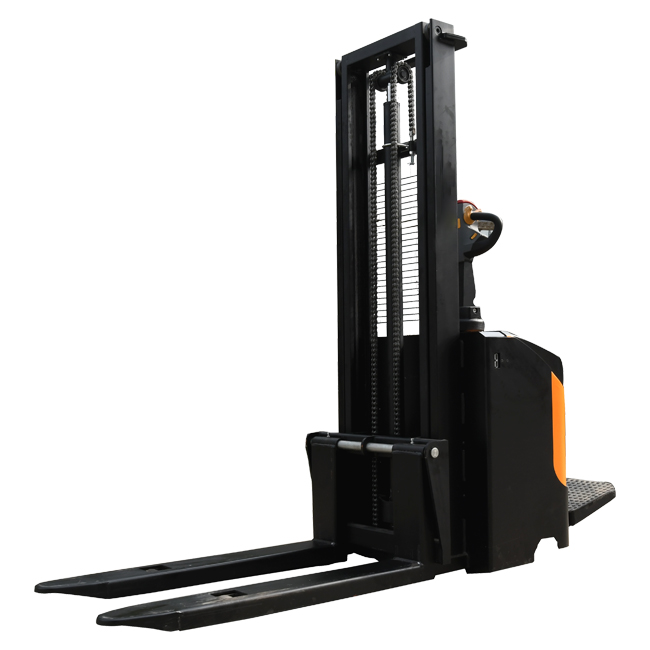
How Does an Electric Stacker Work?