

Are Electric Pallet Jacks Safe?
28 Feb 2026
If you’ve ever walked into a warehouse, you’ve probably seen one buzzing quietly across the floor — compact, efficient, and surprisingly powerful. But here’s the big question: are electric pallet jacks safe?
Short answer? Yes — when used correctly.
Long answer? Let’s dig in.
Because safety isn’t just about the machine. It’s about training, environment, maintenance, and awareness. Think of an electric pallet jack like a car. It’s built with safety systems, but the driver still makes all the difference.
Let’s break this down step by step.
Understanding Electric Pallet Jacks
What Is an Electric Pallet Jack?
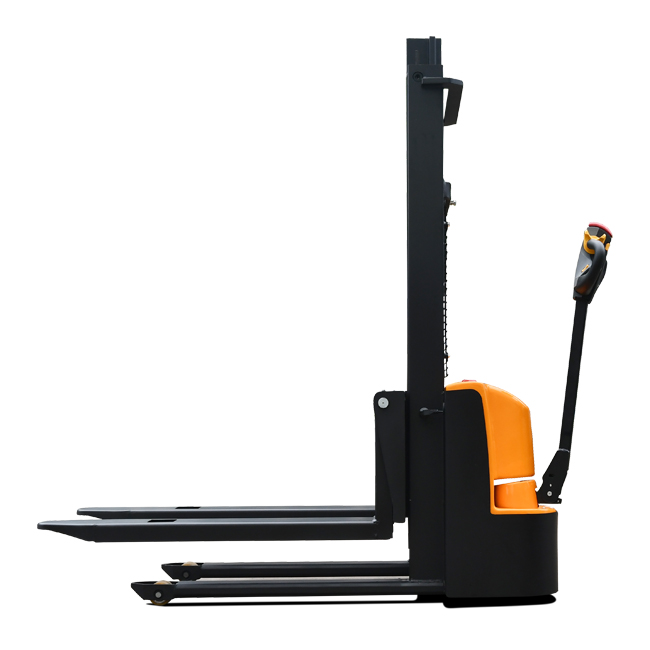
An electric pallet jack (also called a powered pallet truck) is a motorized tool designed to lift and move palletized loads. Unlike manual pallet jacks, it uses battery power to drive and lift loads, reducing physical strain.
It’s basically the warehouse’s version of a compact SUV — small, agile, but capable of heavy lifting.
How Electric Pallet Jacks Work
They run on rechargeable batteries. The operator controls movement through a handle with throttle controls, lift/lower buttons, and braking features. The forks slide under a pallet, lift slightly off the ground, and transport goods from point A to B.
Simple design. Powerful results.
Where They Are Commonly Used
You’ll see them in:
-
Distribution centers
-
Retail stockrooms
-
Grocery warehouses
-
Cold storage facilities
-
Manufacturing plants
Anywhere goods move, these machines follow.
Why Safety Is a Top Concern in Warehousing
Warehouses are busy. Forklifts move. Workers walk. Pallets stack high.
When you mix speed, weight, and human traffic, risk increases.
Rising Workplace Injuries in Material Handling
Material handling accidents account for thousands of workplace injuries each year. Most involve improper use, overloading, or lack of awareness.
But here’s the thing — many of these are preventable.
The Role of Equipment in Accident Prevention
Modern electric pallet jacks are engineered with safety in mind. They’re not just powerful — they’re smart. Built-in systems help prevent accidents before they happen.
Built-In Safety Features of Electric Pallet Jacks
Let’s talk about what makes them safer than you might think.
Emergency Stop Buttons
One push. Immediate stop.
If something goes wrong, the operator can instantly cut power.
Automatic Braking Systems
Release the throttle? It slows down automatically.
Turn sharply? Speed adjusts.
It’s like cruise control meeting anti-lock brakes.
Speed Control Technology
Many models limit maximum speed, especially when turning. That reduces tipping risks and collisions.
Anti-Roll Back Mechanisms
On ramps or inclines, anti-roll systems prevent backward sliding. No heart-stopping moments.
Ergonomic Handle Design
Comfort matters. An ergonomic handle reduces fatigue, which reduces mistakes. And fewer mistakes mean fewer accidents.
Comparing Electric vs Manual Pallet Jacks
So, which is safer?
Safety Advantages of Electric Models
-
Less physical strain
-
Reduced risk of muscle injuries
-
Better control under heavy loads
-
Built-in braking systems
Manual jacks rely entirely on operator strength and control.
Situations Where Manual May Be Safer
In tight spaces or low-traffic areas, manual jacks may offer slower, more controlled movement.
It depends on the job.
Common Risks Associated with Electric Pallet Jacks
No machine is risk-free.
Operator Error
Speeding. Sharp turns. Distracted operation.
Most accidents happen because someone rushed.
Overloading
Every jack has a rated capacity. Ignore it, and you risk tipping or mechanical failure.
Poor Maintenance
Worn wheels. Weak brakes. Battery issues.
Small problems turn into big hazards.
Slippery or Uneven Floors
Wet floors are dangerous. Uneven surfaces increase instability.
OSHA and Workplace Safety Standards
In the U.S., OSHA requires proper operator training for powered industrial trucks — and that includes electric pallet jacks.
Operator Training Requirements
Training covers:
-
Safe operation
-
Hazard awareness
-
Load limits
-
Emergency procedures
Inspection Guidelines
Daily checks are essential. Think of it as a pre-flight inspection.
Load Capacity Compliance
Know your limits. Stay within them.
Best Practices for Safe Operation
Want maximum safety? Follow these habits.
Pre-Operation Checklist
-
Check battery charge
-
Inspect wheels
-
Test brakes
-
Confirm horn works
Safe Driving Techniques
-
Keep speed moderate
-
Avoid sudden turns
-
Maintain clear visibility
Proper Load Handling
-
Center the load
-
Don’t exceed capacity
-
Keep forks low while moving
Safe Parking Procedures
-
Lower forks fully
-
Turn off power
-
Park in designated areas
Importance of Training and Certification
Training isn’t optional. It’s essential.
What Proper Training Includes
Hands-on practice. Classroom theory. Hazard identification.
Refresher Courses and Continuous Learning
Even experienced operators benefit from refreshers. Habits slip over time.
Maintenance and Safety Inspections
Think of maintenance as preventive medicine.
Daily Inspection Routine
Operators should inspect before every shift.
Battery Safety
Batteries require proper charging and ventilation. Mishandling can cause chemical hazards.
Scheduled Servicing
Follow manufacturer service intervals. Don’t delay repairs.
Real-World Accident Scenarios and Lessons Learned
Most incidents involve:
-
Excessive speed
-
Tight turns with heavy loads
-
Inadequate training
-
Poor visibility
Lesson? Slow down. Stay alert. Respect the machine.
Are Electric Pallet Jacks Safer Than Forklifts?
Generally, yes.
They:
-
Operate at lower speeds
-
Carry loads lower to the ground
-
Have less tipping risk
But forklifts handle heavier loads and higher lifts. Different tools, different risks.
Industry-Specific Safety Considerations
Warehousing
High traffic demands strict lane management.
Retail
Narrow aisles require careful maneuvering.
Cold Storage Facilities
Cold affects battery efficiency and floor traction.
Future Innovations Improving Safety
Technology keeps evolving:
-
Smart sensors
-
Collision detection
-
Automatic speed adjustment
-
Telematics tracking
The future? Smarter and safer.
Final Verdict: Are Electric Pallet Jacks Safe?
Yes — when used responsibly.
They’re designed with multiple safety layers. They reduce strain. They enhance control.
But safety isn’t automatic. It’s earned through training, maintenance, and awareness.
Treat them with respect, and they’ll serve you safely.
Electric pallet jacks are not dangerous machines. They’re powerful tools. Like any tool, their safety depends on the person using them.
With proper training, routine inspections, and smart operation, they’re among the safest material-handling solutions available today.
So, are electric pallet jacks safe?
Absolutely — if you use them wisely.
FAQs
1. Do electric pallet jacks require certification?
Yes. Operators must receive proper training according to workplace safety regulations.
2. What is the most common cause of accidents?
Operator error, especially speeding or sharp turns.
3. How often should electric pallet jacks be inspected?
Daily before use, plus scheduled professional servicing.
4. Can electric pallet jacks tip over?
Rarely, but it can happen if overloaded or driven improperly.
5. Are they safe for small businesses?
Yes. With proper training and maintenance, they’re safe and efficient even for small operations.
Hot Products

Zhomart from Kazakhstan Commends HUAYA’s Diesel Forklifts
Russian Customers Commend HUAYA’s Electric Forklifts During Factory Visit
Customers from Belarus recognize Huaya electric forklifts

Colombian customers praised our LPG forklifts after receiving them