

Are Electric Pallet Jacks Worth It?
28 Feb 2026
Let’s be honest. If you’re moving pallets every day, you’ve probably asked yourself this question: Are electric pallet jacks really worth the money?
Or are they just another shiny warehouse upgrade that looks good on paper?
In this guide, we’re going to break it down—costs, benefits, drawbacks, and real-world scenarios.
What Is an Electric Pallet Jack?
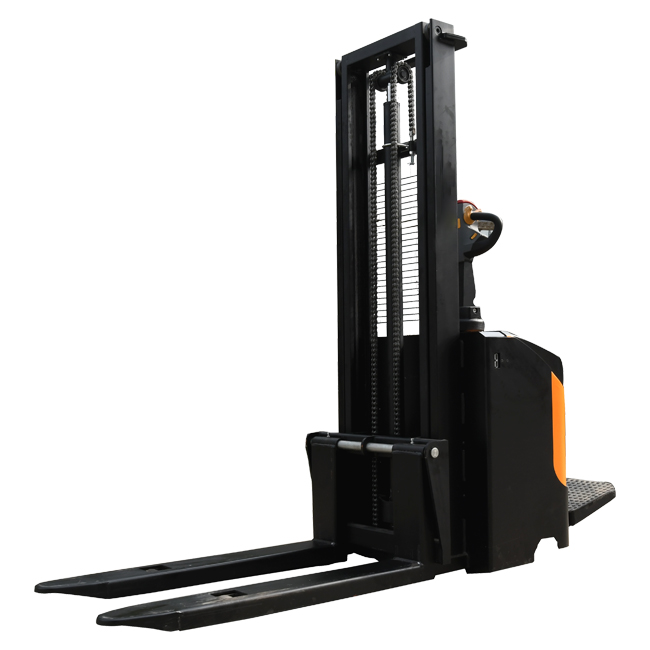
An electric pallet jack (also called a powered pallet truck) is a battery-operated tool designed to lift and move pallets with minimal physical effort. Instead of manually pumping and pulling, you use a motor-driven system that does the heavy work for you.
Think of it as upgrading from a bicycle to an electric scooter. Same purpose. Less effort. More speed.
How It Differs from Manual Pallet Jacks
Manual pallet jacks rely entirely on human strength. You pump the handle to lift, and you pull or push the load across the floor.
Electric versions?
-
Motorized lifting
-
Powered travel
-
Brake systems
-
Battery-powered operation
The difference isn’t subtle. It’s dramatic.
How Electric Pallet Jacks Work
Key Components
Let’s quickly peek under the hood.
Battery System
Most electric pallet jacks use lithium-ion or lead-acid batteries. Lithium-ion batteries charge faster and last longer, making them increasingly popular.
Motor and Controls
The motor drives both lifting and travel functions. Controls are typically mounted on the handle, allowing easy maneuvering—even in tight aisles.
Load Wheels and Forks
Heavy-duty forks slide under pallets, while durable wheels ensure smooth transport across warehouse floors.
Main Benefits of Electric Pallet Jacks
Now let’s talk about what really matters: advantages.
Increased Productivity
Time is money. An electric pallet jack can move pallets faster and with less downtime. Workers don’t tire out as quickly, meaning consistent performance throughout shifts.
If you move dozens (or hundreds) of pallets daily, speed adds up fast.
Reduced Worker Fatigue
Manual pallet jacks can be exhausting, especially over long distances.
Electric models eliminate most of the strain. Less fatigue means:
-
Higher morale
-
Fewer injuries
-
Lower turnover
Your team will thank you.
Improved Workplace Safety
Back injuries are common in material handling. Electric pallet jacks reduce strain-related accidents.
Many models include:
-
Emergency stop buttons
-
Automatic braking
-
Anti-roll back features
Safety isn’t optional—it’s essential.
Better Efficiency in Tight Spaces
Modern electric pallet jacks are compact and highly maneuverable. Narrow warehouse aisles? No problem.
Cost Analysis – Are They Really Worth the Investment?
Here’s the big question.
Initial Purchase Cost
Electric pallet jacks cost significantly more upfront than manual ones. A manual unit may cost a few hundred dollars. An electric version? Several thousand.
That’s a big jump.
Operating and Maintenance Costs
You’ll need:
-
Battery charging
-
Occasional part replacement
-
Routine inspections
However, maintenance is usually predictable and manageable.
Long-Term ROI
Here’s where things get interesting.
If an electric pallet jack:
-
Saves labor hours
-
Reduces injury claims
-
Increases output
It often pays for itself within a year or two.
So yes, it’s more expensive upfront. But over time? It can be cheaper.
Comparing Electric vs Manual Pallet Jacks
Performance Comparison
Electric models win in speed, power, and endurance.
Manual jacks are fine for light-duty, short-distance tasks.
Cost Comparison
Manual = low upfront, high physical cost.
Electric = high upfront, lower long-term strain.
Best Use Cases for Each
Manual pallet jacks are ideal for:
-
Small shops
-
Occasional pallet movement
-
Tight budgets
Electric pallet jacks are best for:
-
Warehouses
-
Distribution centers
-
High-volume operations
Who Should Buy an Electric Pallet Jack?
Warehouses and Distribution Centers
If you move pallets all day, every day, electric is almost always worth it.
Retail Stores
Large retailers with backroom inventory can benefit from quicker unloading and restocking.
Manufacturing Facilities
Frequent material movement between workstations? Electric improves flow.
Cold Storage Operations
Cold environments are physically demanding. Electric jacks reduce strain in already tough conditions.
Potential Drawbacks to Consider
Let’s keep it real.
Battery Charging Time
You’ll need charging stations and downtime planning.
Upfront Investment
Budget constraints may make it difficult initially.
Maintenance Requirements
More components mean more potential service needs.
Safety Considerations
Operator Training
Even though they’re easy to use, proper training is crucial.
OSHA and Workplace Regulations
Compliance matters. Always follow local safety regulations.
Built-In Safety Features
Modern models include automatic braking, stability controls, and ergonomic handles.
Electric Pallet Jack Maintenance Tips
Battery Care
Avoid full discharges. Follow manufacturer charging guidelines.
Regular Inspection Checklist
-
Check wheels
-
Inspect forks
-
Test brakes
-
Examine battery connectors
Simple habits prevent big repairs.
Common Issues and Solutions
Loss of power? Check battery health.
Poor maneuverability? Inspect wheels.
Small issues are usually easy to fix.
Choosing the Right Electric Pallet Jack
Load Capacity
Match it to your heaviest typical load.
Battery Type
Lithium-ion offers faster charging and longer lifespan.
Wheel Material
Polyurethane wheels work well for indoor smooth surfaces.
Brand and Warranty
Choose a reputable supplier offering solid after-sales support.
Real-World Scenarios: When It Makes Financial Sense
Imagine two warehouses.
Warehouse A uses manual pallet jacks. Workers get tired. Productivity dips. Injuries happen occasionally.
Warehouse B switches to electric pallet jacks. Movement is faster. Workers are energized. Output increases.
Which one grows faster?
It’s not just about equipment. It’s about operational momentum.
Final Verdict: Are Electric Pallet Jacks Worth It?
Short answer?
Yes—if you move pallets frequently and value efficiency, safety, and long-term savings.
If you’re a small operation with minimal material handling, a manual pallet jack might still make sense.
But for growing businesses? Electric pallet jacks are often a smart, strategic investment.
So, are electric pallet jacks worth it?
If your operation depends on regular pallet movement, the answer is usually yes. They boost productivity, protect workers, and deliver solid long-term ROI. While the upfront cost may feel steep, the benefits often outweigh the expense over time.
At the end of the day, it’s about working smarter—not harder.
FAQs
1. How long does an electric pallet jack battery last?
Most lithium-ion batteries last 3–5 years depending on usage and maintenance.
2. Are electric pallet jacks difficult to operate?
Not at all. With basic training, operators can quickly learn to use them safely and efficiently.
3. Do electric pallet jacks require special maintenance?
They require routine inspections and battery care but are generally low-maintenance.
4. Can electric pallet jacks be used outdoors?
Some models are designed for light outdoor use, but they perform best on smooth indoor surfaces.
5. How much weight can an electric pallet jack handle?
Most standard models handle between 3,000 to 6,000 pounds, depending on specifications.

Hot Products

Zhomart from Kazakhstan Commends HUAYA’s Diesel Forklifts
Russian Customers Commend HUAYA’s Electric Forklifts During Factory Visit
Customers from Belarus recognize Huaya electric forklifts

Colombian customers praised our LPG forklifts after receiving them