

Do Electric Pallet Jacks Require Certification?
28 Feb 2026
If you’ve ever walked through a warehouse, you’ve probably seen one zipping around—low to the ground, carrying heavy pallets like it’s no big deal. That’s the electric pallet jack. Small? Yes. Harmless? Not quite.
So here’s the big question: Do electric pallet jacks require certification?
Short answer? Yes—if you’re in the United States and operating one in a workplace, certification is required under OSHA regulations.
But let’s break it down properly, step by step.
What Is an Electric Pallet Jack?
Before we dive into certification rules, let’s get clear on what we’re talking about.
How It Works
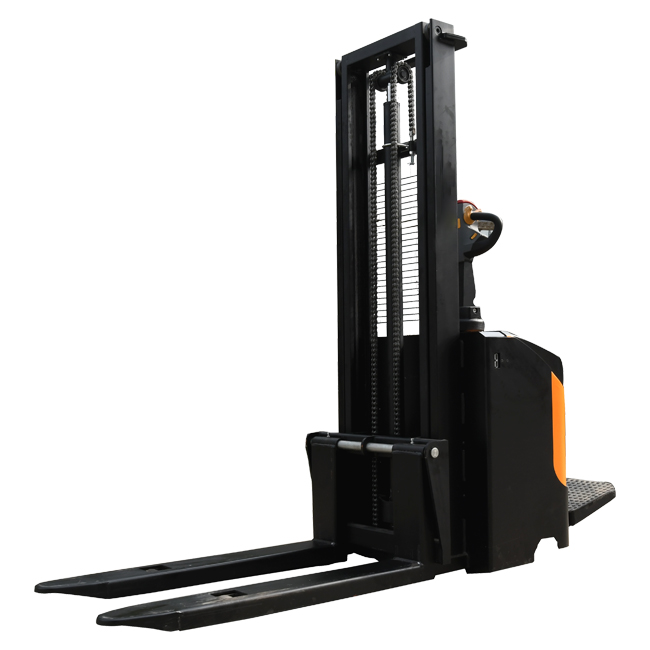
An electric pallet jack—also called a powered pallet truck—is a motorized tool used to lift and move pallets. Unlike a manual pallet jack, it uses an electric motor to lift and propel loads.
Think of it as the “compact car” of the material handling world. It’s not as big as a forklift, but it still packs serious power.
Common Workplace Uses
You’ll find electric pallet jacks in:
-
Warehouses
-
Distribution centers
-
Grocery stores
-
Retail stockrooms
-
Manufacturing plants
Anywhere heavy loads need moving quickly and efficiently.
Differences Between Manual and Electric Models
Manual pallet jacks rely on physical pumping and pushing. Electric models? They do the heavy lifting for you. That added power changes everything—especially when it comes to safety requirements.
Understanding Certification vs. Training
Let’s clear up some confusion.
What Does “Certification” Really Mean?
When people say “certification,” they usually mean completing required training and receiving documented proof of competency.
It’s not about hanging a framed diploma on the wall. It’s about verifying you know how to operate safely.
Employer Responsibility in Operator Training
Here’s something important: In the U.S., employers are legally responsible for ensuring operators are trained and certified.
That means your boss can’t just toss you the keys and say, “Good luck.”
The Role of OSHA in the United States
The Occupational Safety and Health Administration (OSHA) regulates powered industrial trucks—and that includes electric pallet jacks.
OSHA Regulations for Electric Pallet Jacks
Now we’re getting into the legal side.
Powered Industrial Truck Classification
Under OSHA, electric pallet jacks fall into the category of powered industrial trucks (PITs).
This is the same broad category as forklifts.
OSHA Standard 29 CFR 1910.178 Explained
OSHA’s rule 29 CFR 1910.178 requires:
-
Formal instruction (classroom or online)
-
Practical training (hands-on)
-
Performance evaluation
Yes, even for electric pallet jacks.
What Employers Must Provide
Employers must:
-
Train operators before use
-
Evaluate performance
-
Certify completion
-
Provide refresher training when needed
No shortcuts allowed.
Are Electric Pallet Jacks Considered Forklifts?
Technically, they’re not forklifts—but they’re regulated similarly.
Similarities and Differences
Both:
-
Are powered
-
Lift and move loads
-
Pose tipping and crushing risks
But forklifts lift higher and are generally larger.
Why This Classification Matters
Because OSHA doesn’t regulate by size. It regulates by risk.
If it’s powered and capable of causing injury, it likely falls under PIT rules.
When Is Certification Required?
Let’s get specific.
U.S. Requirements
In the U.S., certification is required for workplace use.
No exceptions for “small” equipment.
International Safety Standards
Other countries have similar requirements:
-
Canada: Provincial OH&S training required
-
UK: PUWER regulations mandate proper training
-
Australia: Workplace safety laws require competency
Warehouse vs. Retail Environments
Even in retail environments like grocery stores, if it’s electric and used for work, training is required.
What Does Electric Pallet Jack Training Include?
So what exactly do you learn?
Classroom Training
Topics include:
-
Equipment controls
-
Load stability
-
Hazard awareness
-
OSHA rules
Hands-On Evaluation
This is where you prove you can:
-
Maneuver safely
-
Handle loads correctly
-
Avoid collisions
Refresher Training Requirements
Retraining is required if:
-
An accident occurs
-
Unsafe operation is observed
-
Workplace conditions change
How Long Does Certification Last?
Here’s a common question.
Three-Year Evaluation Rule
OSHA requires evaluation at least once every three years.
That doesn’t mean retraining every three years automatically—but evaluation is mandatory.
Situations Requiring Immediate Retraining
Retraining happens sooner if:
-
You’re involved in an incident
-
You switch equipment types
-
You demonstrate unsafe behavior
Risks of Operating Without Certification
Skipping certification isn’t just risky—it’s expensive.
Legal Consequences
OSHA fines can be significant. Employers can face thousands of dollars in penalties.
Workplace Accidents and Liability
Electric pallet jacks can:
-
Crush feet
-
Pin workers
-
Cause load tip-overs
Without training, accidents become far more likely.
How to Get Certified to Operate an Electric Pallet Jack
Ready to do it properly?
Employer-Based Programs
Most companies provide in-house training programs.
This is the most common path.
Third-Party Training Providers
You can also complete training through approved safety training companies.
Online vs. In-Person Courses
Online training works for theory—but OSHA still requires hands-on evaluation.
You can’t skip the practical part.
Benefits of Certification Beyond Compliance
It’s not just about avoiding fines.
Increased Safety
Trained operators are less likely to cause accidents.
Improved Efficiency
When you understand equipment limits, productivity improves.
Professional Development
Certification can make you more employable.
Think of it as adding another skill to your toolkit.
Common Myths About Electric Pallet Jack Certification
Let’s bust a few myths.
“It’s Small, So It’s Safe”
Small doesn’t mean safe. A 4,000-pound load at ankle height can still cause serious injury.
“Only Forklifts Need Training”
Wrong. If it’s powered, OSHA likely requires training.
Final Thoughts on Certification Requirements
So, do electric pallet jacks require certification?
Yes—if they’re used in a workplace covered by OSHA, certification is required.
It’s not just bureaucracy. It’s about safety, responsibility, and protecting everyone on the floor.
Think of certification like a driver’s license. You wouldn’t drive a car without one, right? The same logic applies here.
FAQs
1. Do I need certification for a manual pallet jack?
No. Manual pallet jacks are not classified as powered industrial trucks under OSHA.
2. Can I get certified online only?
No. Online training must be combined with hands-on evaluation.
3. Does certification transfer between employers?
Not automatically. Employers must evaluate and certify you under their program.
4. What happens if I operate without certification?
Your employer may face OSHA fines, and you could be disciplined or terminated.
5. Is refresher training mandatory every year?
Not annually. OSHA requires evaluation at least every three years, unless incidents require earlier retraining.
 Are Electric Pallet Jacks Safe?
Hot Products

Zhomart from Kazakhstan Commends HUAYA’s Diesel Forklifts
Russian Customers Commend HUAYA’s Electric Forklifts During Factory Visit
Customers from Belarus recognize Huaya electric forklifts

Colombian customers praised our LPG forklifts after receiving them