
Forklift Charging Infrastructure: A Planning Guide
21 Sep 2026
Planning a forklift charging station comes down to four steps in order: calculate daily energy demand, choose the charging mode, design the layout, and secure power and safety compliance. Get it right and the fleet runs continuously with fewer batteries and lower power costs. Skip it and the same fleet ends up with too few chargers, an overloaded supply, and an installation that fails inspection.
Charging infrastructure should be planned before the first truck arrives, because it shapes uptime, capital cost, and compliance. A fleet that cannot recharge fast enough loses productive hours daily, and adding chargers later costs far more than designing them in. The plan also decides how many batteries the operation must own and whether the site passes inspection.
Step one is an energy calculation: fleet size times daily consumption per truck, plus a margin for losses and growth, gives the energy the system must deliver each day. As a public reference method, if a site runs 20 electric forklifts consuming about 30 kWh each per day, the fleet needs roughly 600 kWh of charging capacity daily; losses and growth allowance typically add 15 to 25 percent. That number, not truck count alone, sets how many chargers are required and how much supply to reserve. These figures are a worked example for reference only.

Step two is choosing how the fleet charges: opportunity charging during breaks, centralized charging between shifts, or battery swapping. Lithium-ion batteries accept opportunity charging without harm, letting trucks top up during breaks and often eliminating spare batteries. Lead-acid batteries tolerate partial charging poorly and need a full charge plus a cooling period, driving the pattern of one battery per truck plus a spare. The trade-offs are compared in our lithium-ion vs lead-acid TCO guide.
Step three is layout and space, and the two battery types pull the design in opposite directions. Lead-acid batteries need a ventilated charging room with acid-resistant flooring and space for battery handling, so the layout is fixed and centralized. Lithium systems charge at distributed points in aisles or near loading areas, removing the room but requiring protected positions, floor markings, and barriers against charger damage. Lead-acid requirements, including watering and ventilation, are covered in our guide on whether electric forklifts need water.

Step four covers electrical supply and safety compliance, which is where most retrofit projects run into trouble. The site needs enough distribution capacity for simultaneous charging; where many trucks charge at once, load management or staggered schedules may avoid a supply upgrade. Time-of-use tariffs reward off-peak charging, lowering energy cost without affecting operations. Safety requirements include ventilation against hydrogen from lead-acid charging, spill containment and eyewash stations, suitable fire protection, and emergency procedures.
The charging strategy you choose directly determines battery life, and the numbers are significant. Lithium-ion batteries tolerate partial charging, so they suit opportunity models and deliver far more cycles than lead-acid units, which dislike deep discharge. Public industry ranges put lead-acid life at roughly 1,000 to 2,000 cycles and lithium at 3,000 to 5,000 or more, so lithium fleets need fewer batteries for the same workload. More on cycle counts and replacement signals appears in our article on how long electric forklift batteries last.
Operating pattern then shapes the practical design. Multi-shift warehouses need opportunity charging or enough batteries to rotate; lithium removes the swap delay that lead-acid multi-shift operations plan around. Cold storage adds a constraint: charging inside a freezer is inefficient and, for lead-acid, unsafe, pushing batteries or chargers into a warmer area. Sites with high peak tariffs can charge mainly overnight and reserve short top-ups for breaks.

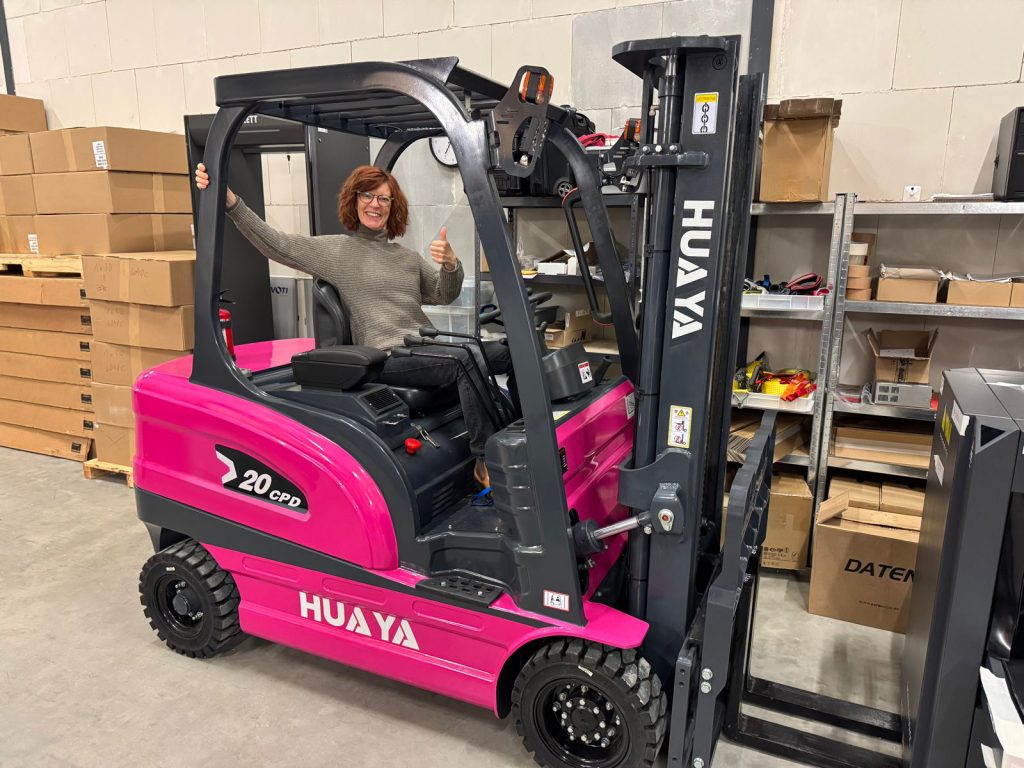
Pair the charging plan with the right truck family, and the investment pays back through availability and lower energy cost. A warehouse truck such as the HUAYA warehouse electric forklifts is specified with a battery and charger combination matched to the shift pattern. Treating charger, battery, and truck as one system, not three separate purchases, keeps an electric fleet productive across its life.
Before ordering electric trucks, prepare three facts for your supplier: fleet size and shift pattern, daily hours of operation, and the electrical capacity available at the charging location. With those inputs, a supplier can size the charger count and confirm the site supply is sufficient. Tell HUAYA your fleet size and operating pattern, and request a charging plan consultation with a truck and charger configuration matched to your site.


Hot Products
Forklift Mast Guide: 2-Stage vs 3-Stage vs Full Free Lift
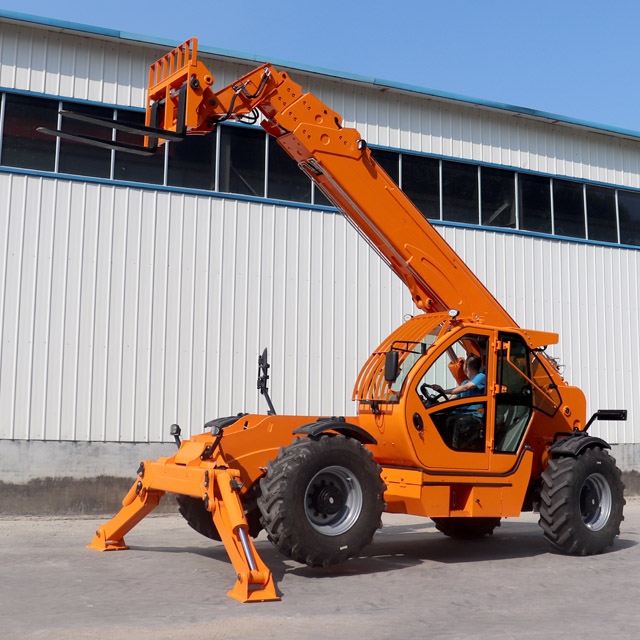
Rough Terrain Forklifts: When Does Your Site Need One?
Cold Storage Forklifts: A Complete Selection Guide
New vs Used Forklifts: A Smart Buying Decision Guide


