

How Does an Electric Forklift Work?
31 Mar 2026
What Is an Electric Forklift?
Definition of Electric Forklift
An electric forklift is a material handling machine powered entirely by electricity instead of internal combustion engines like diesel or gasoline. It uses rechargeable batteries, electric motors, and hydraulic systems to lift, move, and transport heavy loads efficiently inside warehouses, factories, and logistics centers. Unlike traditional forklifts, electric forklifts operate quietly, produce zero emissions, and require less maintenance, making them ideal for indoor operations.
At its core, an electric forklift works by converting stored electrical energy into mechanical motion. The battery stores energy, the electric motor converts that energy into motion, and the hydraulic system lifts heavy loads. These three systems work together seamlessly to perform lifting and transporting tasks with precision and efficiency. The operator simply presses controls, and the forklift responds instantly thanks to advanced electronic controllers.
Electric forklifts are not just a modern upgrade; they represent a fundamental shift in material handling technology. According to industry data, about two-thirds of forklifts put into service each year are electric, showing the rapid adoption of electric-powered material handling equipment across industries. This shift is driven by growing demand for sustainability, reduced operating costs, and improved workplace safety.
Today, electric forklifts are widely used in warehouses, manufacturing plants, retail distribution centers, and even cold storage facilities. Their ability to work indoors without harmful emissions makes them essential for businesses that prioritize clean operations and employee safety.
Why Electric Forklifts Are Becoming Popular
Electric forklifts are gaining popularity for several compelling reasons. Businesses today are focusing on sustainability, efficiency, and long-term cost savings. Electric forklifts align perfectly with these goals by offering lower operating costs, minimal maintenance requirements, and environmentally friendly operation.
One major advantage is energy efficiency. Electric forklifts convert a higher percentage of energy into usable power compared to internal combustion forklifts. This means businesses spend less on energy while achieving better productivity. Additionally, electric forklifts operate quietly, reducing workplace noise and improving employee comfort.
Another key factor driving popularity is improved battery technology. Modern electric forklifts use lithium-ion or lead-acid batteries, with lithium-ion batteries offering faster charging, longer lifespan, and minimal maintenance. Lithium-ion batteries can typically last 2,000 to 3,000 charge cycles, significantly longer than traditional lead-acid batteries. This advancement makes electric forklifts more reliable and cost-effective for long-term use.
Companies are also adopting electric forklifts to comply with environmental regulations. As governments implement stricter emission standards, electric forklifts provide a clean alternative to diesel-powered equipment. Businesses can reduce their carbon footprint while maintaining high operational efficiency.
Main Components of an Electric Forklift
Understanding how an electric forklift works requires understanding its main components. Each part plays a crucial role in powering, moving, and lifting loads efficiently.
Battery System
The battery is the heart of an electric forklift. It stores electrical energy and supplies power to the motor and hydraulic systems. Electric forklifts typically use lead-acid or lithium-ion batteries, both of which convert chemical energy into electrical energy.
These batteries come in various voltage capacities, usually ranging from 24V to 80V, depending on the forklift’s size and lifting capacity. Higher voltage batteries provide more power for heavy-duty applications.
Battery systems in modern electric forklifts also include battery management systems (BMS) that monitor temperature, voltage, and performance. This ensures safety and optimal performance during operation.
Lithium-ion vs Lead-acid Batteries
Electric forklifts typically use two types of batteries:
| Feature | Lead-Acid Battery | Lithium-ion Battery |
|---|---|---|
| Charging Time | 8–10 hours | 1–2 hours |
| Maintenance | High | Minimal |
| Lifespan | 1,000–1,500 cycles | 2,000–3,000 cycles |
| Efficiency | ~80% | ~99% |
Lithium-ion batteries are becoming more popular due to faster charging, longer lifespan, and higher efficiency.
Electric Motor
The electric motor converts electrical energy into mechanical movement. When the operator presses the accelerator, electricity flows from the battery to the motor, causing it to spin. This spinning motion powers the wheels, allowing the forklift to move forward or backward.
Electric motors provide instant torque, meaning the forklift responds immediately to commands. This makes electric forklifts easier to control, especially in tight warehouse spaces. Electric motors also produce less vibration compared to combustion engines, improving operator comfort.
Hydraulic System
The hydraulic system is responsible for lifting and lowering loads. It includes a hydraulic pump, cylinders, valves, and hoses filled with hydraulic fluid. When the operator activates the lift control, the electric motor powers the hydraulic pump, which pushes fluid into cylinders to raise the forks.
Hydraulics allow forklifts to lift heavy loads smoothly and precisely. This system is extremely powerful, enabling forklifts to lift several tons with ease.
Controller and Electronics
Modern electric forklifts use electronic controllers to regulate speed, direction, and lifting functions. These controllers ensure smooth acceleration, efficient energy usage, and enhanced safety features.
Controllers also monitor battery levels, motor temperature, and system performance. This helps prevent overheating and improves overall forklift reliability.
Step-by-Step: How an Electric Forklift Works
Power Generation
The process begins with the battery. The battery stores electrical energy and supplies power to the forklift systems. When the operator turns on the forklift, electricity flows from the battery to the controller.
The controller regulates how much power goes to the motor based on operator input. This ensures efficient energy use and smooth operation.
Movement Mechanism
Once power reaches the motor, it spins and drives the wheels. Electric forklifts typically use AC or DC motors. These motors provide precise control and smooth acceleration.
The operator controls speed using pedals or levers. The controller adjusts motor speed accordingly.
Lifting Mechanism
When lifting loads, the electric motor powers the hydraulic pump. The pump pushes hydraulic fluid into cylinders, raising the forks.
Lowering the forks releases fluid back into the tank. This simple yet powerful system allows forklifts to lift heavy loads effortlessly.
Types of Electric Forklifts
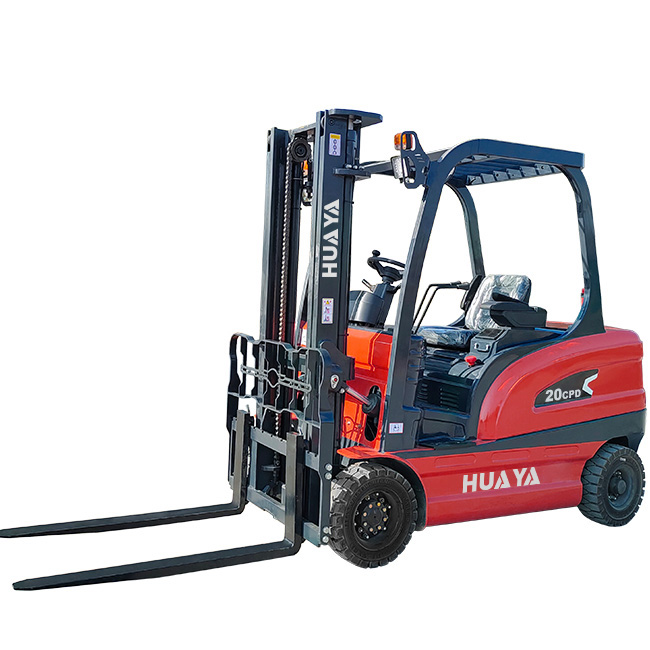
Electric Counterbalance Forklift
The most common type used in warehouses.
Reach Truck
Designed for narrow aisles and high stacking.
Electric Pallet Truck
Used for short-distance transportation.
Advantages of Electric Forklifts
Electric forklifts offer several benefits:
- Zero emissions
- Quiet operation
- Lower maintenance
- Lower operating cost
- Better efficiency
Electric forklifts also improve workplace safety and productivity.
Electric vs Diesel Forklifts
| Feature | Electric Forklift | Diesel Forklift |
|---|---|---|
| Emissions | Zero | High |
| Noise | Low | High |
| Maintenance | Low | High |
| Operating Cost | Low | High |
Battery Charging and Operation
Battery charging is essential for electric forklifts. Lithium-ion batteries charge quickly, while lead-acid batteries take longer.
Maintenance Requirements
Electric forklifts require less maintenance compared to diesel forklifts. No oil changes or engine maintenance.
Safety Features in Electric Forklifts
Electric forklifts include:
- Automatic braking
- Speed control
- Stability systems
Applications of Electric Forklifts
Electric forklifts are used in:
- Warehouses
- Manufacturing
- Logistics
- Retail
Future of Electric Forklifts
Electric forklift adoption is growing rapidly. Increased demand for sustainability drives growth. The market continues to expand globally.
Electric forklifts work by converting electrical energy into mechanical motion using batteries, motors, and hydraulic systems. They offer efficiency, safety, and environmental benefits. As battery technology improves, electric forklifts will dominate the material handling industry.
FAQs
1. How long does an electric forklift battery last?
Most batteries last 5–10 years depending on usage.
2. Are electric forklifts powerful?
Yes, they can lift several tons.
3. How long does charging take?
1–10 hours depending on battery type.
4. Are electric forklifts cheaper?
Operating costs are lower.
5. Can electric forklifts work outdoors?
Yes, but mostly used indoors.
Hot Products
What Are the Different Types of Stackers?
What Is a Telehandler Forklift?
What Is a Counterbalance Forklift
What Is Load Center in Forklift?