

How to Operate a Stand–Up Forklift?
20 Mar 2026
1. Introduction
Learning how to operate a stand‑up forklift is more than just knowing what the levers do — it’s about mastering control, safety, and situational awareness. Whether you’re new to warehouse work or upgrading your skills, understanding every step of the operation is essential for preventing injuries and accidents while improving efficiency and confidence in your work.
2. What Is a Stand–Up Forklift?
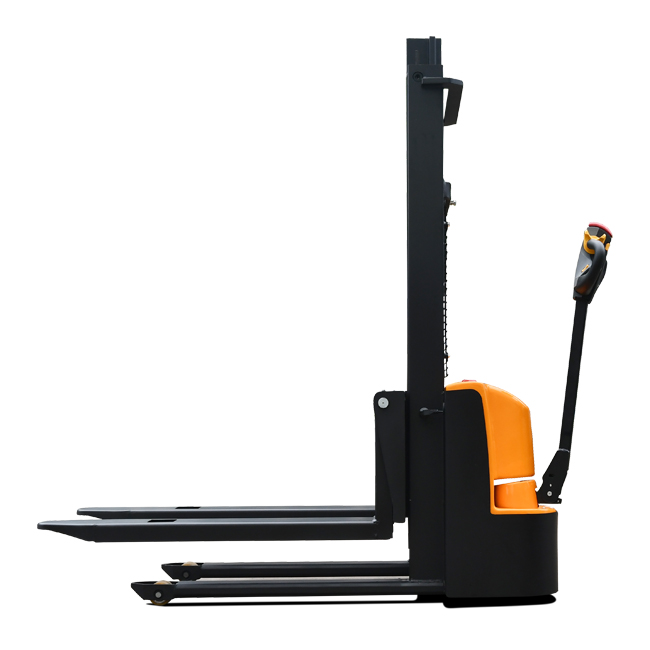
A stand–up forklift is a type of powered industrial truck designed for indoor use, typically in warehouses, distribution centers, and storage facilities. Unlike traditional sit‑down forklifts, this model allows the operator to stand while driving and maneuvering loads, which offers better visibility and agility in tight spaces.
2.1 Key Components
Some essential features include:
-
Deadman pedal (a safety pedal that must be engaged to operate)
-
Mast and forks
-
Steering handle or tiller
-
Hydraulic controls
These parts work together to lift, move, and set down loads safely and efficiently.
2.2 How It Differs from Sit‑Down Forklifts
Stand–up forklifts are lighter, more compact, and ideal for narrow aisles. Unlike sit‑down forklifts, the operator stands behind the unit, which allows for quicker entry and exit and improved sightlines to loads and obstacles.
3. Why Proper Operation Matters
Operating any forklift incorrectly can result in severe injuries, damaged goods, costly repairs, or worker downtime. OSHA and safety organizations recommend that only trained and authorized personnel operate forklifts to minimise risk and maintain workplace safety standards.
4. Safety First: The Foundation
Before you even step on a stand‑up forklift, safety must be your number one priority. Understanding hazards, wearing appropriate gear, and knowing your machine are foundational to every shift you operate. Safety isn’t optional — it’s mandatory.
5. Pre‑Operational Preparation
Proper preparation ensures hazards are addressed before you start moving heavy loads.
5.1 Checking the Forklift Before Use
Daily inspections are crucial. Look for:
-
Tire condition
-
Brake functionality
-
Steering responsiveness
-
Lights, horn & alarms
Any defect — no matter how small — could compromise safety.
5.2 Personal Protective Equipment (PPE)
Always wear:
-
High‑visibility clothing
-
Steel‑toe boots
-
Gloves (if recommended)
PPE protects you from slips, falls, and impacts.
6. Understanding Controls & Components
6.1 Steering and Drive Controls
Stand–up forklifts typically use a tiller or joystick control for steering. Operators should familiarise themselves with:
-
Forward and reverse controls
-
Deadman pedal for “go/no‑go”
-
Accelerator
6.2 Lift, Tilt, and Hydraulic Controls
These levers manage forks and mast movements:
-
Lift control raises/lowers the forks
-
Tilt control angles the load for stability
Understanding these helps you manage loads safely and smoothly.
7. Getting Into the Stand–Up Forklift
Use three points of contact (two hands, one foot) when entering the stand–up forklift. This method prevents slips and falls onto the hard metal surfaces of the machine.
8. Pre‑Start Inspection Checklist
Before starting the engine, check:
-
Fork condition
-
Battery charge or fuel level
-
Lights and horn
If anything is malfunctioning, report it immediately. Never operate unsafe equipment.
9. Starting the Stand–Up Forklift
Step onto the platform and position yourself comfortably. Adjust mirrors (if equipped), check all gauges and controls, and turn the ignition only after ensuring the area is clear of people and obstacles.
10. Safe Driving Techniques
10.1 Maintaining Control
Keep your speed controlled and reasonable for the environment. Slow down around corners and near pedestrians. According to safety guides, driving too fast or making sharp turns greatly increases the risk of tipping.
10.2 Navigating Turns and Aisles
Always check your surroundings before turning. Gradual steering and wide, controlled movements maintain stability and prevent toppling the load.
11. Lifting and Carrying Loads
Approach the load squarely and ensure forks are evenly positioned before lifting. Raise the load just enough to clear the floor, tilt the mast slightly back to secure the load, and always travel with the load at a low height to maintain stability.
12. Proper Load Handling
Never exceed the forklift’s rated load capacity — doing so puts stress on the mast and can cause the truck to tip over. Ensure the load is stable and secure before moving. Forklifts are not designed to transport people or unstable materials.
13. Special Maneuvers: Inclines & Ramps
When navigating inclines:
-
Drive forward with the load uphill
-
Reverse when going downhill
This keeps the heavier load on the uphill side for stability.
14. Visibility and Awareness
Good visibility prevents collisions. If your view is blocked by a load, either lower it slightly or drive in reverse until you have a clear line of sight. Use mirrors and spotters when needed.
15. Avoiding Common Mistakes
Avoid:
-
Sudden acceleration or braking
-
Sharp turns
-
Operating without training
These behaviors increase risk exponentially.
16. Stopping and Parking Procedures
When your shift ends or your task is complete:
-
Lower the forks to the ground
-
Apply the parking brake
-
Return controls to neutral
These steps ensure the forklift is safe and secure before you step off.
17. Post‑Operation Shutdown
Shut off the ignition and remove the key (if applicable). This prevents unauthorized use and ensures safe conditions for the next operator.
18. Maintenance & Reporting Issues
Consistent maintenance extends the life of the forklift and preserves safety. Always:
-
Report faults
-
Tag out defective equipment
-
Never attempt unauthorized repairs
Only trained technicians should conduct maintenance.
19. Training, Certification & Legal Requirements
Most regions require certified training and evaluation before someone can legally operate a forklift. Certification usually includes practical hands‑on instruction and written exams to prove competency. This prevents accidents and legal liability in the workplace.
Operating a stand–up forklift isn’t just about pushing buttons or pulling levers — it’s about mastering safety, understanding your machine, and practicing responsible operating habits every time. With the right knowledge, preparation, and ongoing training, you’ll not only move loads efficiently but protect yourself and others in your workspace.
Frequently Asked Questions
-
Do I need a licence to operate a stand–up forklift?
Yes — in most countries, you must complete certified training and pass evaluations. -
What safety equipment is essential for operators?
Wear high‑visibility clothing, steel‑toe boots, and ensure the forklift’s warning devices are functional. -
Why must the load be kept low while travelling?
Keeping the load low reduces the centre of gravity and prevents tipping. -
Can a forklift be used outdoors?
Some are designed for outdoor use, but stand‑up forklifts excel indoors on level floors. -
What should I do if the forklift malfunctions mid‑shift?
Stop operation, report it immediately, and do not resume until it’s inspected and cleared.
 How to Get Forklift Certified?
Hot Products
What Are the Tips for Pallet Stacking?
How Long Does Forklift Certification Last?
What is a Pallet Stacker Used For?
What is the Difference Between a Pallet Truck and a Stacker?