
Warehouse Aisle Width and Layout: A Forklift Guide
24 Sep 2026
Warehouse aisle width is decided by the forklift, not by preference: the truck class sets the minimum aisle, and the aisle sets how much of your building you can fill with racking. Counterbalance trucks need the widest aisles, reach trucks less, and very narrow aisle equipment least of all. This guide sets out the clearance rules, typical widths by truck type, and how to plan layout and racking around them.
Aisle width is one of the largest levers on both storage capacity and operating cost. Every extra foot of aisle is floor space that cannot hold racking, and across a large warehouse that adds up to a significant share of capacity. Set aisles too narrow, however, and trucks cannot enter safely, speeds fall, and damage to racking and loads rises. The right width is the smallest aisle the chosen truck can work in safely.
Safety clearance rules come first, before any efficiency calculation. Widely cited guidance holds that an aisle should be at least the width of the largest equipment using it plus clearance: commonly stated as at least 36 inches wider than the widest truck, with a minimum of around 4 feet. These are public reference figures; the binding requirement is the applicable local safety regulation and the truck manufacturer’s own manual. Clearance must also allow for the load, which usually overhangs the forks and is wider than the truck.

Working back from the truck type gives a practical width range for planning. Counterbalance forklifts typically need aisles of roughly 10 to 13 feet, because they turn within the aisle to pick and place. Reach trucks commonly work in about 8 to 10 feet, since the mast reaches forward instead of the truck turning. Very narrow aisle equipment, including swing reach and turret trucks, can work in aisles of about 5 to 7 feet with guidance systems. These are public reference ranges; confirm the figure from the manufacturer’s aisle chart for each model.
Racking layout and vertical clearance must be planned together with aisle width. Pallet depth, beam spacing, and the gap between load top and the beam above determine usable storage positions, while the mast must lift loads clear of the highest beam. This is why aisle planning cannot be separated from mast selection; the differences between mast types are explained in our forklift mast guide. Width and height together define the warehouse cube you can actually use.

Working back from a storage target to the right truck is the other half of the calculation. Narrow aisles raise storage density, but they usually reduce travel speed and require guided, slower equipment, so throughput per hour can fall even as capacity rises. High-volume operations may prefer wider aisles and faster trucks, while operations storing more than they move gain from narrower aisles. Where density wins, specialist equipment such as the swing reach truck is designed for very narrow aisles and high racks.
Retrofitting an existing warehouse usually costs less than rebuilding, but floor condition decides what is possible. Narrow aisles and high lifts demand a flat, sound floor, because uneven slabs amplify sway at height; poor flatness is often the real limit on reducing aisle width. New racking installations should also add floor markings, protective barriers at rack ends, and clear pedestrian routes. The everyday operating rules that keep those aisles safe, including speed limits and load handling, are covered in our guide to using a forklift in a warehouse.
Indoor equipment selection follows from the aisle and the duty. Electric trucks are standard indoors because they produce no exhaust emissions and suit the clean, sealed environments typical of racked storage. Matching the right family to the aisle, lift height, and shift pattern follows the same logic as choosing between truck types, which our article on what type of forklift is best for indoor use explains in more detail.

Three planning mistakes account for most expensive layout errors. The first is sizing every aisle for the widest truck in the fleet, wasting capacity that narrower equipment could recover. The second is ignoring turning circles, dock areas, and staging zones, where trucks need more space than a straight aisle suggests. The third is planning for today’s loads only, without checking whether heavier pallets or higher racking are likely before the lease ends.
Measure three things before choosing equipment: the narrowest aisle you can accept, the highest racking height, and the daily pallet movements through the warehouse. Those numbers determine the truck class, mast, and attachments that will work, and prevent a purchase that cannot enter the building or keep pace with demand. Send HUAYA your aisle width, rack height, and throughput and tell us your aisle width and rack height so the configuration can be matched to your layout.

Hot Products
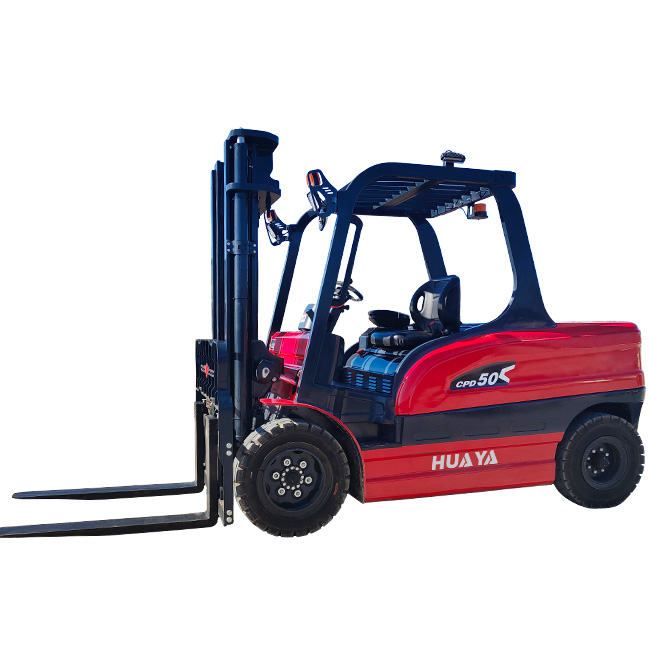
Forklift Charging Infrastructure: A Planning Guide
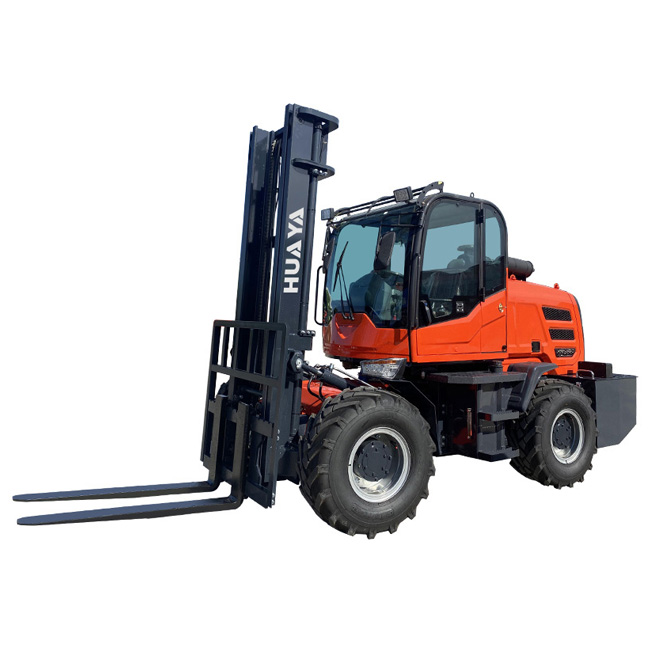
Forklift Tires Guide: Cushion vs Pneumatic vs Solid
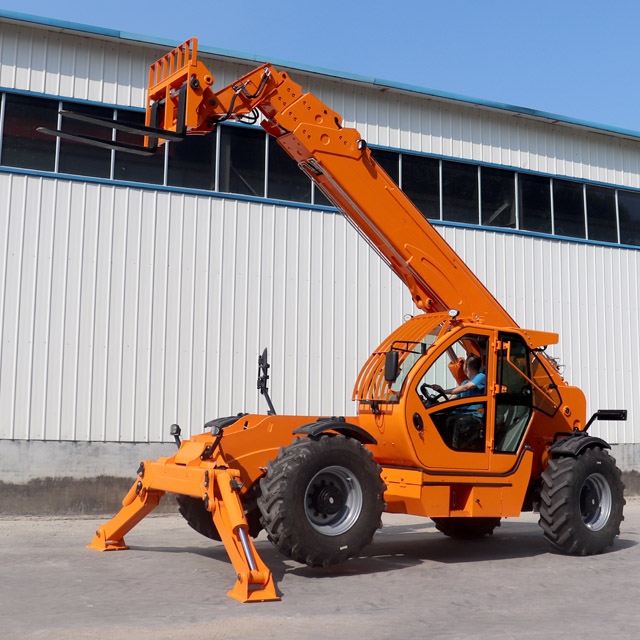
Forklift Mast Guide: 2-Stage vs 3-Stage vs Full Free Lift
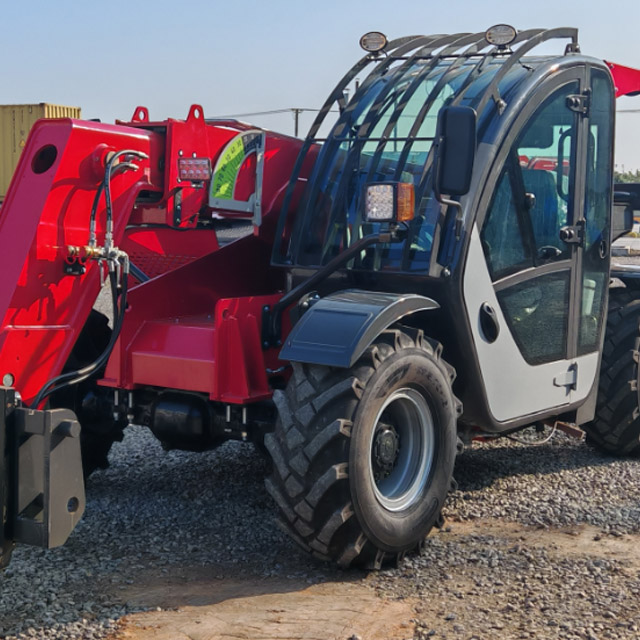
Rough Terrain Forklifts: When Does Your Site Need One?


