

What Is a Counterbalance Forklift
24 Mar 2026
Definition of a Counterbalance Forklift
If you’ve ever walked through a warehouse or loading dock, chances are you’ve seen a counterbalance forklift in action—even if you didn’t know its name. Simply put, a counterbalance forklift is a type of industrial truck designed to lift and move heavy loads using forks at the front, balanced by a weight at the rear. This clever design eliminates the need for additional support legs or stabilizers, making it one of the most straightforward and widely used forklifts in the world.
Think of it like a seesaw. On one end, you have the load being lifted. On the other end, there’s a built-in counterweight that keeps everything balanced. Without that rear weight, the forklift would tip forward the moment it picks up something heavy. That’s the magic behind its name—counterbalance.
Why It Is the Most Common Forklift Type
So why is this type everywhere? The answer lies in its simplicity and versatility. Counterbalance forklifts are considered the most common forklift type used globally, especially in warehouses, logistics hubs, and manufacturing plants.
Their straightforward design makes them easy to operate, even for beginners. There’s no complicated extension mechanism or special setup required. Operators can drive directly up to a load, lift it, and move it efficiently. That’s a huge advantage in fast-paced environments where time equals money.
How a Counterbalance Forklift Works
The Counterweight Principle Explained
At the heart of every counterbalance forklift is a simple yet powerful concept: weight distribution. The forklift’s rear section contains a heavy counterweight—usually made of cast iron or steel—that offsets the load lifted at the front.
When the forks lift a pallet, the weight shifts forward. The counterweight pushes back against this force, keeping the machine stable. It’s basic physics in action, but incredibly effective.
Imagine carrying a heavy backpack. If you lean forward too much, you’ll lose balance. But if you adjust your posture, you stay upright. A counterbalance forklift does this automatically through its design.
Key Components and Structure
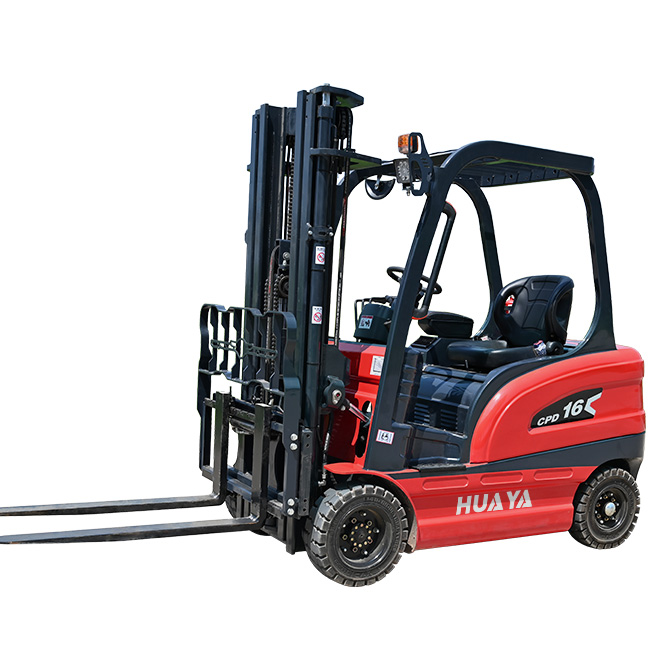
A typical counterbalance forklift consists of several essential parts working together seamlessly:
- Forks (tines): Used to lift and carry loads
- Mast: The vertical structure that raises and lowers the forks
- Counterweight: Located at the rear for balance
- Operator cabin: Where the driver controls the machine
- Hydraulic system: Powers lifting and tilting
These components combine to create a machine that is both powerful and surprisingly easy to control. The result? Smooth lifting, precise placement, and efficient material handling.
Types of Counterbalance Forklifts
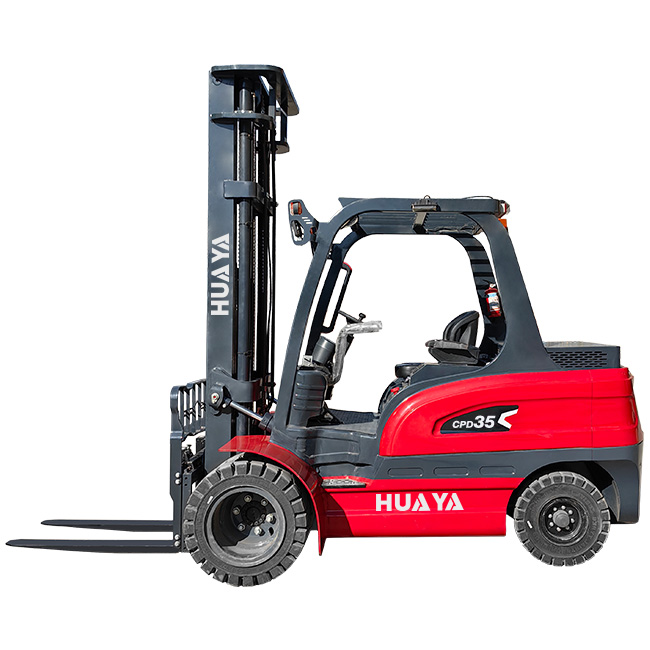
Electric Counterbalance Forklifts
Electric models are becoming increasingly popular, especially indoors. They run on rechargeable batteries, producing zero emissions and minimal noise. In fact, electric counterbalance forklifts accounted for around 45% of the market share in 2024, highlighting their rapid adoption.
They’re perfect for warehouses, food storage facilities, and pharmaceutical environments where cleanliness and air quality matter.
Diesel Counterbalance Forklifts
Diesel forklifts are the heavy-duty champions of the industry. Built for outdoor use, they offer high power and torque, making them ideal for construction sites and large-scale logistics operations.
If you need to move extremely heavy loads on rough terrain, diesel is often the go-to choice.
LPG/Propane Counterbalance Forklifts
Propane forklifts strike a balance between electric and diesel models. They’re versatile, refuel quickly, and can be used both indoors (with ventilation) and outdoors. This flexibility makes them a favorite in mixed-use environments.
3-Wheel vs 4-Wheel Models
- 3-wheel forklifts: More maneuverable, ideal for tight spaces
- 4-wheel forklifts: More stable, better for heavy loads
Choosing between them depends on your workspace layout and operational needs.
Main Uses and Applications
Warehousing and Logistics
Counterbalance forklifts are the backbone of modern warehouses. They’re used to load, unload, stack, and transport goods efficiently. With the rise of e-commerce, their importance has skyrocketed, as warehouses need faster and more reliable material handling solutions.
Manufacturing and Industry
In manufacturing plants, these forklifts move raw materials, transport finished goods, and keep production lines running smoothly. Without them, operations would slow down significantly.
Construction and Outdoor Use
On construction sites, diesel counterbalance forklifts handle heavy materials like steel beams and concrete blocks. Their durability and strength make them indispensable in tough environments.
Advantages of Counterbalance Forklifts
Versatility and Ease of Use
One of the biggest advantages is how easy they are to operate. Even new operators can quickly learn the basics. Their ability to handle various loads—from pallets to bulky items—makes them incredibly versatile.
High Load Capacity and Stability
These forklifts are designed for heavy lifting. Their built-in counterweight ensures stability, allowing them to handle significant loads safely and efficiently.
Disadvantages and Limitations
Space Requirements
While versatile, counterbalance forklifts require more space to operate compared to specialized equipment like reach trucks. This can be a limitation in very tight warehouse layouts.
Not Ideal for Very Narrow Aisles
If your warehouse has extremely narrow aisles, a reach truck might be a better option. Counterbalance forklifts need enough room to turn and position themselves properly.
Counterbalance Forklift vs Other Forklifts
Comparison with Reach Trucks
| Feature | Counterbalance Forklift | Reach Truck |
|---|---|---|
| Design | Front forks + rear weight | Extendable forks |
| Best Use | General handling | Narrow aisles |
| Flexibility | High | Moderate |
| Outdoor Use | Yes | Limited |
Reach trucks excel in tight spaces, but counterbalance forklifts offer greater versatility overall.
Comparison with Pallet Jacks
Pallet jacks are simpler and cheaper but lack lifting height and capacity. Counterbalance forklifts, on the other hand, can lift heavy loads to significant heights, making them far more powerful.
Safety Tips for Operation
Basic Safety Practices
Operating a forklift safely isn’t optional—it’s essential. Always:
- Wear proper safety gear
- Keep loads stable and balanced
- Drive at controlled speeds
- Follow workplace safety protocols
Common Risks and How to Avoid Them
The biggest risk? Tipping over. This usually happens when loads exceed capacity or are improperly balanced. Proper training and awareness are key to preventing accidents.
Market Trends and Industry Insights
Growth of the Forklift Industry
The global forklift market is projected to reach $81.39 billion by 2027, reflecting the growing demand for efficient material handling solutions.
This growth is driven by e-commerce, logistics expansion, and industrial automation.
Shift Toward Electric Models
Environmental concerns and stricter regulations are pushing companies toward electric forklifts. With advancements in battery technology, electric models are becoming more powerful and cost-effective.
How to Choose the Right Counterbalance Forklift
Key Factors to Consider
Choosing the right forklift isn’t just about price. You need to consider:
- Load capacity
- Working environment (indoor vs outdoor)
- Fuel type
- Space constraints
Matching Forklift to Your Business Needs
Think of it like choosing a vehicle. A sports car isn’t ideal for off-road driving, and a truck isn’t necessary for city commuting. The same logic applies here—match the forklift to your operational needs for maximum efficiency.
A counterbalance forklift is more than just a piece of equipment—it’s the backbone of modern material handling. Its simple yet powerful design, combined with versatility and reliability, makes it the go-to choice for industries worldwide. Whether you’re running a warehouse, managing a construction site, or operating a manufacturing plant, this forklift type delivers efficiency where it matters most.
Understanding how it works, its advantages, and its limitations helps you make smarter decisions for your business. And as the industry continues to evolve, especially with the rise of electric models, counterbalance forklifts are only becoming more essential.
FAQs
1. What makes a counterbalance forklift different from other forklifts?
It uses a rear counterweight to balance loads, eliminating the need for additional stabilizers or outriggers.
2. Can counterbalance forklifts be used indoors?
Yes, especially electric models, which produce zero emissions and are ideal for indoor environments.
3. What industries use counterbalance forklifts the most?
Warehousing, logistics, manufacturing, and construction are the primary industries.
4. What is the typical lifting capacity?
It varies widely, but most models handle between 1 to 10 tons depending on design and application.
5. Are electric counterbalance forklifts better than diesel ones?
It depends on usage. Electric is better for indoor and eco-friendly operations, while diesel is stronger for heavy outdoor tasks.
Hot Products
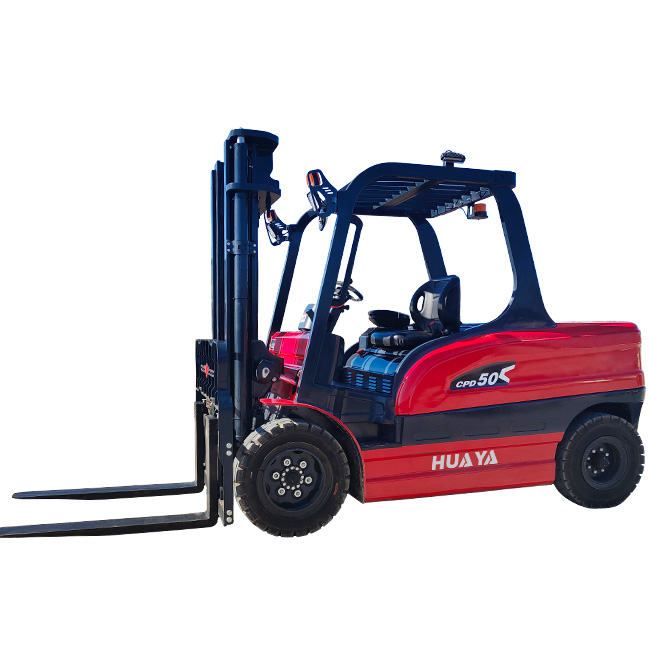
Is a Forklift Considered Heavy Equipment?
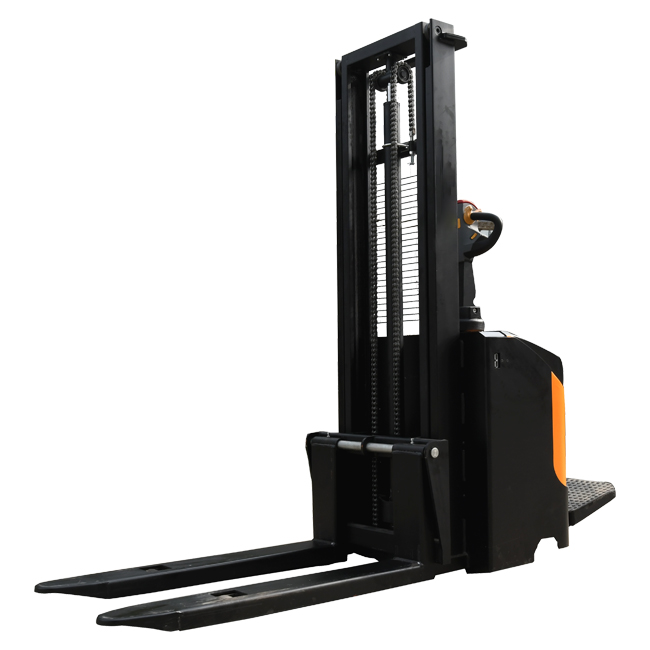
How to Operate a Stand–Up Forklift?
How to Get Forklift Certified?
What Is Most Important When Operating a Forklift?