

What Is an Electric Pallet Stacker?
30 Mar 2026
Definition of an Electric Pallet Stacker
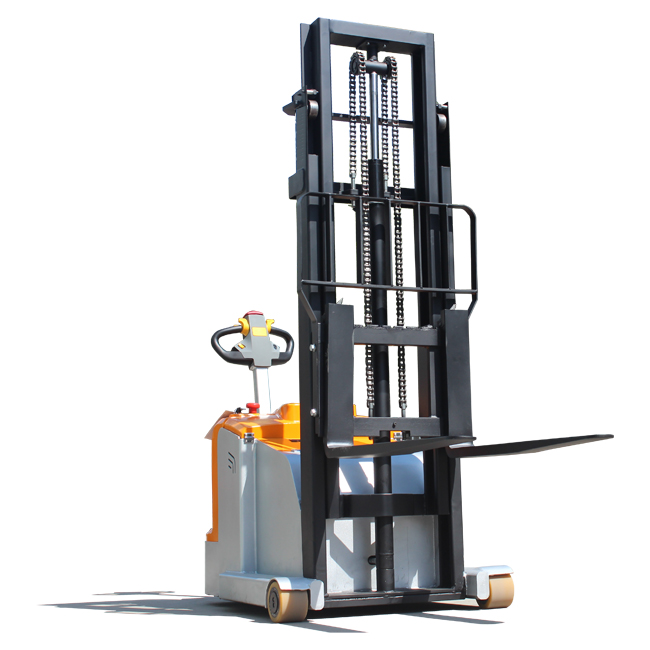
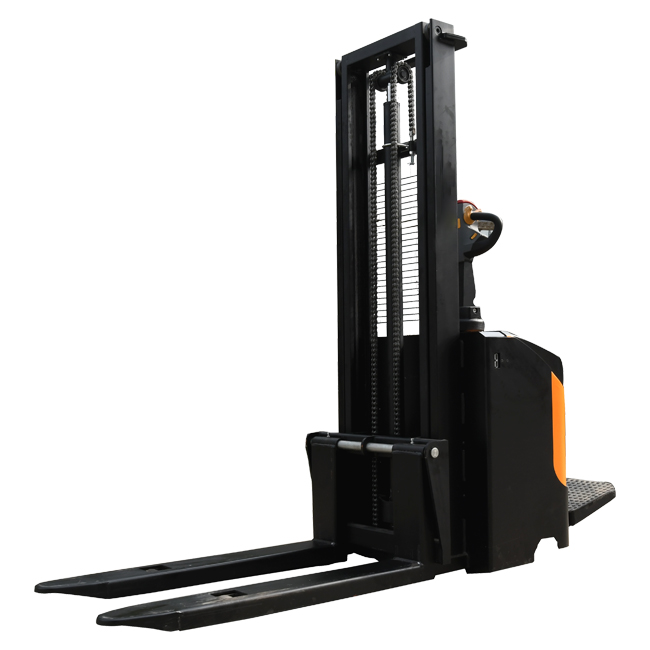
An electric pallet stacker is a battery-powered material handling machine designed to lift, move, and stack pallets efficiently inside warehouses, factories, and distribution centers. Unlike traditional manual pallet stackers, electric pallet stackers use an electric motor and hydraulic system to raise and lower loads with minimal effort from the operator. These machines are widely used in modern warehouses where efficiency, safety, and productivity matter more than ever.
Think of an electric pallet stacker as the perfect middle ground between a manual pallet jack and a full-sized forklift. It provides the lifting capability needed for stacking pallets on shelves while maintaining a compact design that works well in tight spaces. This makes it especially valuable for small warehouses, retail stockrooms, and manufacturing facilities that don’t require heavy-duty forklifts but still need reliable lifting solutions.
Electric pallet stackers typically operate using rechargeable batteries, which means they produce zero emissions and low noise levels, making them ideal for indoor environments. According to industry data, electric pallet stackers commonly offer lifting capacities ranging from 1,000 kg to 3,500 kg, depending on the model and design. This versatility makes them suitable for a wide range of applications, from lightweight warehouse tasks to medium-duty industrial operations.
The popularity of electric pallet stackers continues to grow as companies seek cost-effective solutions for material handling. With the rise of e-commerce and warehouse automation, businesses increasingly rely on compact equipment to optimize storage space and improve operational efficiency. In many cases, an electric pallet stacker becomes the first step toward warehouse modernization, allowing companies to improve workflow without investing in expensive forklift fleets.
How Electric Pallet Stackers Work
Electric pallet stackers operate using a simple yet highly effective system that combines electric power, hydraulics, and user-friendly controls. At the core of the machine is a rechargeable battery that powers an electric motor. This motor drives the hydraulic pump responsible for lifting and lowering the forks. When the operator presses a button or control lever, the hydraulic system activates and raises the load smoothly and safely.
Most electric pallet stackers are designed with walk-behind controls, allowing operators to guide the machine while walking alongside it. Some advanced models include ride-on platforms or fully seated options for larger warehouses. This flexibility allows businesses to choose equipment based on their operational needs and space constraints.
Electric pallet stackers also include safety features such as emergency stop buttons, automatic braking systems, and speed control settings. These features reduce accidents and improve workplace safety. Because of their compact size and tight turning radius, electric pallet stackers are particularly effective in narrow aisles and congested warehouse layouts.
In many warehouses, electric pallet stackers are used to transport goods, load shelves, and retrieve pallets from racking systems. They typically lift loads to moderate heights, usually between 3 to 4.5 meters, making them ideal for second-tier shelving and standard warehouse racks. This capability allows businesses to maximize vertical storage space without investing in large forklifts.
As warehouses become more space-conscious and efficiency-driven, electric pallet stackers are becoming essential equipment. They offer a balance of power, precision, and affordability, making them one of the most practical solutions for modern material handling needs.
Key Components of an Electric Pallet Stacker
Battery and Motor System
The battery and motor system are the heart of an electric pallet stacker. These components determine the performance, efficiency, and operational lifespan of the equipment. Most electric pallet stackers use lead-acid or lithium-ion batteries, each offering different advantages depending on usage requirements.
Lead-acid batteries are commonly used in traditional models because they are cost-effective and widely available. However, lithium-ion batteries are becoming increasingly popular due to faster charging times, longer lifespan, and minimal maintenance requirements. This shift toward lithium-ion technology reflects broader trends in warehouse electrification and sustainability.
The electric motor provides the driving force behind both movement and lifting operations. Advanced motors deliver smooth acceleration, improved energy efficiency, and reduced wear on mechanical components. This results in lower maintenance costs and improved reliability over time.
Battery-powered operation also eliminates fuel costs and emissions. This makes electric pallet stackers ideal for indoor use, particularly in industries such as food processing, pharmaceuticals, and retail where cleanliness and air quality are essential.
Mast, Forks, and Controls
The mast, forks, and control system work together to ensure smooth and safe lifting operations. The mast is the vertical structure that supports the lifting mechanism. It allows the forks to move up and down, enabling operators to stack pallets at different heights.
Forks are designed to fit standard pallet sizes and provide stability during lifting. Many models include adjustable forks to accommodate different pallet types. This flexibility makes electric pallet stackers suitable for diverse applications.
Controls are typically ergonomic and easy to operate. Operators can manage lifting, lowering, and movement using simple buttons or levers. Some advanced models also include digital displays, safety alerts, and programmable settings for improved performance.
These components combine to create a reliable, user-friendly machine that improves efficiency while reducing operator fatigue. Electric pallet stackers are designed with both productivity and safety in mind, making them an essential tool in modern warehouses.
Types of Electric Pallet Stackers
Walkie Electric Pallet Stackers
Walkie electric pallet stackers are among the most commonly used material handling solutions in warehouses and storage facilities. These machines are designed for operators to walk behind while controlling movement and lifting operations using an ergonomic handle. Because of their compact design and easy maneuverability, walkie stackers are ideal for tight warehouse aisles, small storage rooms, and retail backrooms where space is limited. Businesses that need efficient pallet handling without investing in large forklifts often find walkie stackers to be the most practical choice.
One of the biggest advantages of walkie electric pallet stackers is their ease of operation. Operators typically require minimal training, which helps companies reduce onboarding time and improve productivity quickly. The controls are intuitive, often including simple buttons or levers for lifting, lowering, and driving. This simplicity also reduces operator fatigue, allowing employees to handle more tasks efficiently throughout the day. In fast-paced warehouse environments, this can make a noticeable difference in daily output.
Walkie stackers also offer excellent cost efficiency. Compared to forklifts, they are significantly more affordable to purchase and maintain. They require less maintenance because they have fewer complex components, and battery-powered operation eliminates fuel costs. For small and medium-sized businesses, these savings can add up quickly. Many companies use walkie stackers as their first step toward automation, gradually upgrading equipment as operations expand.
Another key benefit is safety. Walkie electric pallet stackers often include built-in safety features such as emergency stop buttons, anti-roll-back systems, and speed control settings. These features help reduce workplace accidents and protect both operators and goods. As workplace safety regulations continue to evolve, investing in equipment that prioritizes safety becomes increasingly important for businesses aiming to maintain compliance and protect their workforce.
Ride-On Electric Pallet Stackers
Ride-on electric pallet stackers are designed for larger warehouses and operations that require moving pallets over longer distances. Unlike walkie stackers, these machines feature a ride-on platform or seated operator compartment, allowing workers to operate the equipment comfortably without walking. This design significantly improves productivity in large facilities where operators would otherwise spend a considerable amount of time walking between locations.
The ride-on feature enhances efficiency by reducing operator fatigue. When workers are less physically strained, they can maintain consistent performance throughout their shifts. This becomes particularly valuable in industries like logistics and e-commerce, where speed and accuracy are essential. Ride-on stackers allow operators to move quickly across large warehouses while maintaining full control over load handling.
Ride-on electric pallet stackers also offer higher lifting capacities and improved stability compared to walkie models. They are commonly used in medium to large distribution centers where heavier loads and higher stacking heights are required. These machines often include advanced features such as programmable speed settings, electronic steering, and automatic braking systems, further enhancing operational efficiency.
Despite their advanced capabilities, ride-on stackers remain more compact than traditional forklifts. This makes them ideal for businesses that need increased performance without sacrificing maneuverability. As warehouses continue to expand and demand faster turnaround times, ride-on electric pallet stackers are becoming a preferred choice for many industries.
Reach Electric Pallet Stackers
Reach electric pallet stackers are designed for high stacking applications and narrow aisle environments. These machines feature extendable forks that allow operators to reach deeper into racking systems. This functionality is particularly useful in warehouses that rely on vertical storage to maximize space utilization. By using reach stackers, businesses can store more goods within the same footprint, improving overall efficiency.
Reach stackers are commonly used in high-density storage environments where traditional forklifts may struggle to maneuver. Their narrow design allows them to operate effectively in tight aisles while still handling significant loads. This makes them ideal for warehouses that prioritize maximizing storage capacity without expanding physical space.
These machines also offer excellent precision. Operators can position loads accurately, reducing the risk of damage to goods or racking systems. Many reach stackers include advanced technology such as electronic steering and stability control systems. These features improve safety and allow operators to handle loads confidently at higher elevations.
Reach electric pallet stackers are often considered a premium solution for warehouse operations. While they may require a higher initial investment, the improved storage capacity and efficiency often result in long-term cost savings. Businesses focused on optimizing space and increasing productivity frequently choose reach stackers as part of their material handling strategy.
Electric Pallet Stacker vs Other Equipment
Electric Pallet Stacker vs Forklift
Choosing between an electric pallet stacker and a forklift depends on several operational factors. Forklifts are designed for heavy-duty lifting and outdoor applications, while electric pallet stackers are best suited for indoor use and moderate loads. Forklifts typically offer higher lifting capacities and greater lift heights, making them ideal for large warehouses and industrial environments.
Electric pallet stackers, on the other hand, provide greater maneuverability and lower operating costs. Their compact design allows them to operate in narrow aisles where forklifts cannot easily move. This makes them particularly useful for small warehouses and retail environments. Businesses that do not require heavy lifting often find electric pallet stackers to be a more cost-effective solution.
Another key difference is operator training. Forklifts usually require certified operators, while electric pallet stackers often require less training. This can help businesses reduce training expenses and improve operational flexibility. In many cases, companies use both machines together to create a balanced material handling system.
Electric Pallet Stacker vs Pallet Jack
Electric pallet stackers and pallet jacks serve similar purposes but differ significantly in functionality. A pallet jack is primarily designed for horizontal transportation of pallets, while an electric pallet stacker adds vertical lifting capability. This allows businesses to stack pallets on shelves and maximize storage space.
Electric pallet stackers also offer greater automation and efficiency. Battery-powered operation reduces manual effort and improves productivity. Pallet jacks, especially manual ones, require more physical effort from operators. Over time, this can lead to fatigue and reduced efficiency.
For businesses focused on improving workflow and optimizing storage, electric pallet stackers provide a clear advantage. While pallet jacks remain useful for simple tasks, electric pallet stackers offer a more versatile solution for modern warehouses.
Main Benefits of Electric Pallet Stackers
Space Efficiency
Electric pallet stackers are designed to operate in narrow aisles and compact spaces. This allows warehouses to maximize storage capacity without expanding their facilities. By utilizing vertical space effectively, businesses can store more goods and improve overall organization.
Compact design also improves maneuverability. Operators can move easily between shelves and tight corners. This flexibility is particularly valuable in busy warehouses where space is limited. Companies looking to optimize storage often find electric pallet stackers to be an essential investment.
Cost Efficiency
Electric pallet stackers offer lower operating costs compared to forklifts. Battery-powered operation eliminates fuel expenses, while reduced maintenance requirements lower long-term costs. These savings make electric pallet stackers attractive for small and medium-sized businesses.
Additionally, electric pallet stackers typically have a lower purchase price. This allows companies to upgrade equipment without making large financial commitments. Over time, the cost savings contribute to improved profitability.
Safety and Ergonomics
Safety is a major advantage of electric pallet stackers. These machines include features such as automatic braking, emergency stops, and speed control. These features help reduce workplace accidents and improve overall safety.
Ergonomic controls also reduce operator fatigue. Comfortable operation improves productivity and reduces the risk of injuries. Businesses that prioritize safety and efficiency often choose electric pallet stackers as part of their material handling strategy.
Typical Specifications of Electric Pallet Stackers
Lifting Capacity
Electric pallet stackers typically offer lifting capacities ranging from 1 ton to 3.5 tons. This range makes them suitable for various industries and applications. Businesses can choose models based on their load requirements.
Lift Height
Lift heights usually range from 1.6 meters to 5.5 meters, depending on the model. Higher lift heights allow businesses to maximize vertical storage space and improve efficiency.
Industries That Use Electric Pallet Stackers
Warehousing and Logistics
Warehousing and logistics companies rely heavily on electric pallet stackers. These machines help streamline operations and improve efficiency. They are commonly used for loading, unloading, and stacking goods.
Retail and Manufacturing
Retail and manufacturing industries also benefit from electric pallet stackers. These machines improve workflow and reduce manual labor. Businesses can handle goods more efficiently and safely.
How to Choose the Right Electric Pallet Stacker
Choosing the right electric pallet stacker depends on several factors including load capacity, lift height, aisle width, and usage frequency. Businesses should evaluate their operational requirements before making a decision. Considering these factors ensures optimal performance and long-term efficiency.
Electric pallet stackers have become an essential tool for modern warehouses and businesses seeking efficient material handling solutions. Their compact design, cost efficiency, and ease of operation make them ideal for various industries. Whether used in small storage facilities or large distribution centers, electric pallet stackers improve productivity and safety.
As warehouses continue to evolve, electric pallet stackers will play an increasingly important role. Businesses that invest in these machines can improve workflow, reduce costs, and enhance operational efficiency. For companies looking to modernize their material handling processes, electric pallet stackers offer a practical and reliable solution.
FAQs
1. What is the difference between an electric pallet stacker and a forklift?
Electric pallet stackers are compact machines designed for indoor use and moderate loads, while forklifts are larger machines designed for heavy-duty lifting.
2. What industries use electric pallet stackers?
Warehousing, logistics, retail, manufacturing, and distribution industries commonly use electric pallet stackers.
3. How high can an electric pallet stacker lift?
Most electric pallet stackers lift between 1.6 meters and 5.5 meters depending on the model.
4. Are electric pallet stackers safe to use?
Yes, electric pallet stackers include safety features such as emergency stops and automatic braking systems.
5. What is the lifting capacity of an electric pallet stacker?
Electric pallet stackers typically offer lifting capacities ranging from 1 ton to 3.5 tons.
 What Are the Different Types of Stackers?
Hot Products
What Is Load Center in Forklift?
What Type of Forklift Is Best for Indoor Use?
Is a Forklift Considered Heavy Equipment?
How to Operate a Stand–Up Forklift?