

What Type of Forklift Is Best for Indoor Use?
23 Mar 2026
Understanding Indoor Forklift Requirements
Why Indoor Environments Need Specialized Equipment
When you step into a warehouse, distribution center, or manufacturing plant, one thing becomes clear almost immediately—space is tight, movement is constant, and safety is everything. Indoor environments are fundamentally different from outdoor worksites, and that difference dramatically impacts the type of forklift you should use. Unlike construction sites where power and ruggedness dominate, indoor operations prioritize precision, cleanliness, and maneuverability.
Think about it like choosing shoes. You wouldn’t wear hiking boots to run on a treadmill, right? The same logic applies here. Indoor forklifts must navigate narrow aisles, operate around workers, and function without polluting the air. According to industry data, electric forklifts are widely recommended for indoor use because they produce zero emissions and operate quietly, making them ideal for enclosed spaces.
Indoor operations also often involve sensitive goods—food products, pharmaceuticals, or electronics. These environments demand strict hygiene and air quality standards. A forklift that emits fumes or excessive noise simply doesn’t fit the bill. That’s why choosing the right type isn’t just about efficiency—it’s about compliance, safety, and long-term productivity.
Key Challenges of Indoor Material Handling
Indoor forklift operations come with their own set of challenges, and understanding them helps you make smarter decisions. One major issue is limited space. Warehouses are designed to maximize storage, which means narrow aisles and high shelving. Forklifts must be compact and highly maneuverable to avoid collisions and inefficiencies.
Another challenge is air quality. Internal combustion forklifts, such as diesel models, release exhaust fumes that can quickly accumulate indoors. Studies show that exposure to such emissions can negatively affect worker health, making them unsuitable for enclosed environments.
Noise is another factor that often gets overlooked. Imagine working an eight-hour shift surrounded by loud engine noise—it’s not just annoying, it’s exhausting. Electric forklifts, which typically operate at significantly lower noise levels, create a more comfortable and productive workplace.
Finally, indoor environments demand precision handling. Whether it’s stacking fragile goods or navigating tight corners, forklifts must provide smooth control and responsiveness. This requirement alone eliminates many heavy-duty outdoor machines from consideration.
Electric Forklifts – The Top Choice for Indoor Use
How Electric Forklifts Work
Electric forklifts are powered by rechargeable batteries, typically lithium-ion or lead-acid. Instead of relying on combustion engines, they use electric motors to generate movement and lifting power. This fundamental difference is what makes them so well-suited for indoor environments.
Unlike diesel forklifts, which burn fuel and emit exhaust gases, electric models operate cleanly and efficiently. They convert electrical energy directly into motion, resulting in smoother acceleration and more precise control. This is especially useful when handling delicate loads or working in confined spaces.
Another advantage lies in their simplicity. Electric forklifts have fewer moving parts, which means less wear and tear over time. There’s no need for oil changes, fuel filters, or complex engine maintenance. This not only reduces downtime but also lowers operating costs significantly.
Core Advantages of Electric Forklifts
Zero Emissions and Clean Air
The biggest selling point of electric forklifts is their zero emissions. In an indoor setting, this is non-negotiable. Diesel forklifts release harmful gases, making them unsuitable for enclosed spaces unless heavily ventilated.
Electric forklifts eliminate this problem entirely. They produce no exhaust fumes, ensuring a safer and healthier environment for workers. This is particularly important in industries like food processing and pharmaceuticals, where air quality standards are strict.
Low Noise Operation
Noise pollution might not seem like a big deal at first, but over time, it can significantly impact worker productivity and morale. Electric forklifts operate much more quietly compared to their diesel counterparts, often in the range of 60–70 dB versus 85–95 dB for combustion engines.
This quieter operation makes communication easier and reduces workplace stress. It’s like the difference between working in a calm office versus standing next to a running generator all day.
Lower Maintenance Costs
Electric forklifts are also easier on your wallet in the long run. With fewer mechanical components, they require less maintenance and experience fewer breakdowns. Businesses can save 40–60% on operating costs compared to fuel-powered forklifts, thanks to cheaper electricity and reduced servicing needs.
Types of Electric Forklifts for Indoor Use
3-Wheel Electric Forklifts
If your warehouse feels like a maze, a 3-wheel electric forklift might be your best friend. These machines are designed for maximum maneuverability, allowing operators to turn sharply and navigate tight aisles with ease.
Their compact design makes them ideal for smaller facilities or areas with limited space. However, they may have slightly lower load capacity compared to larger models, so they’re best suited for lighter to medium-duty tasks.
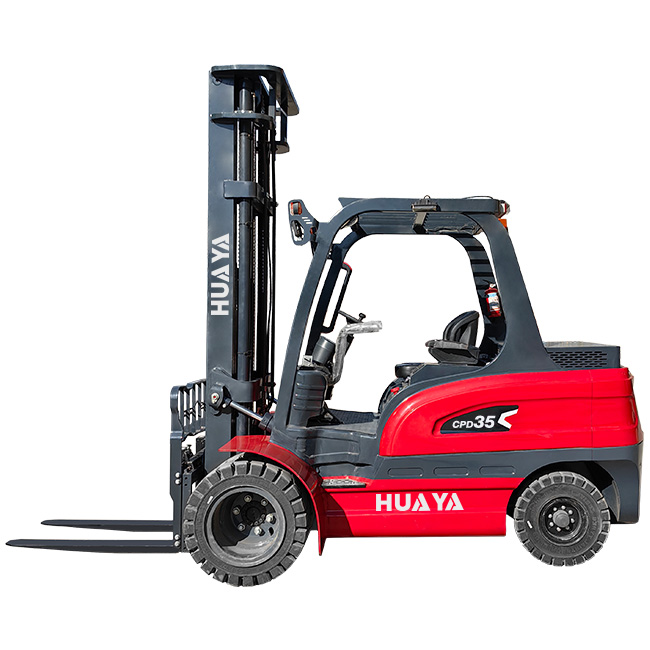
4-Wheel Electric Forklifts
Need a bit more stability? That’s where 4-wheel electric forklifts come in. They offer better balance and higher load capacity while still maintaining the benefits of electric power.
These forklifts are perfect for larger indoor spaces where loads are heavier, but maneuverability is still important. Think of them as the “SUV” of indoor forklifts—stable, reliable, and versatile.
Reach Trucks
Reach trucks are specifically designed for high-racking warehouses. They can extend their forks forward to reach pallets stored at significant heights, making them ideal for vertical storage systems.
If your operation relies heavily on maximizing vertical space, reach trucks are a game-changer. They allow you to store more goods without expanding your warehouse footprint.
Pallet Jacks and Stackers
For simpler tasks, pallet jacks and stackers are often the most efficient choice. They’re smaller, easier to operate, and perfect for moving pallets over short distances.
These machines are especially useful in retail environments or smaller warehouses where full-sized forklifts might be overkill.
Electric vs Diesel Forklifts for Indoor Applications
Performance Comparison Table
| Feature | Electric Forklift | Diesel Forklift |
|---|---|---|
| Emissions | Zero emissions | High emissions |
| Noise Level | Low | High |
| Indoor Suitability | Excellent | Poor |
| Maintenance Cost | Low | High |
| Power | Moderate | High |
| Best Use | Warehouses, indoor facilities | Outdoor, heavy-duty sites |
Safety and Environmental Differences
When it comes to indoor use, safety isn’t optional—it’s everything. Diesel forklifts emit exhaust fumes that can harm workers and degrade air quality, making them unsuitable for enclosed environments.
Electric forklifts, on the other hand, provide a clean and safe alternative. They improve air quality, reduce noise pollution, and create a more comfortable working environment. It’s no surprise that most modern warehouses are shifting toward electric fleets.
Are LPG Forklifts Suitable for Indoor Use?
When LPG Might Be Considered
LPG (liquefied petroleum gas) forklifts sit somewhere between electric and diesel models. They produce fewer emissions than diesel and can be used indoors in well-ventilated areas.
In operations that require longer run times and quick refueling, LPG forklifts may offer some advantages.
Limitations in Indoor Settings
Despite their versatility, LPG forklifts still produce emissions, which means they’re not ideal for fully enclosed spaces. Ventilation becomes a critical factor, and in many cases, businesses prefer electric models to avoid this concern altogether.
Key Factors to Consider When Choosing an Indoor Forklift
Load Capacity Requirements
Not all forklifts are built the same. Before choosing one, you need to understand your load requirements. Are you lifting lightweight pallets or heavy industrial materials? The answer will determine the type and size of forklift you need.
Warehouse Layout and Space
Your warehouse layout plays a huge role in forklift selection. Narrow aisles require compact, highly maneuverable machines, while larger spaces can accommodate bigger models.
Operating Hours and Battery Needs
Electric forklifts rely on batteries, so you’ll need to consider charging times and shift schedules. Lithium-ion batteries offer faster charging and longer runtime, making them ideal for multi-shift operations.
Budget and Total Cost of Ownership
While electric forklifts may have higher upfront costs, their lower maintenance and operating expenses often make them more cost-effective in the long run.
Best Industries for Indoor Electric Forklifts
Warehousing and Logistics
Electric forklifts dominate this sector due to their efficiency, precision, and low operating costs.
Food and Beverage Storage
Zero emissions make electric forklifts perfect for handling food products without contamination risks.
Pharmaceutical and Clean Environments
Cleanliness is critical in these industries, and electric forklifts meet strict hygiene standards effortlessly.
Common Mistakes When Selecting Indoor Forklifts
Ignoring Ventilation Requirements
Choosing a diesel forklift for indoor use without proper ventilation is a costly and dangerous mistake.
Choosing Based Only on Price
The cheapest option isn’t always the best. Long-term costs, maintenance, and efficiency should all be considered.
Future Trends in Indoor Forklift Technology
Lithium-Ion Batteries
Lithium-ion technology is revolutionizing the forklift industry with faster charging and longer lifespan.
Automation and Smart Warehousing
Automation is on the rise, with autonomous forklifts and smart systems improving efficiency and reducing labor costs.
If you’re looking for the best forklift for indoor use, the answer is clear: electric forklifts are the top choice. They offer zero emissions, low noise, high efficiency, and lower long-term costs, making them perfectly suited for warehouses and indoor facilities. While diesel and LPG forklifts have their place, they simply can’t compete in enclosed environments where air quality and safety are critical.
FAQs
1. Why are electric forklifts better for indoor use?
Electric forklifts produce zero emissions and operate quietly, making them safe and efficient for enclosed environments.
2. Can diesel forklifts be used indoors?
They can, but only with proper ventilation. In most cases, they are not recommended due to harmful emissions.
3. What is the best electric forklift type for small warehouses?
3-wheel electric forklifts are ideal due to their compact size and maneuverability.
4. How long do electric forklift batteries last?
Typically 5–10 hours per charge, depending on battery type and usage.
5. Are electric forklifts more expensive?
They may have higher upfront costs, but lower maintenance and energy expenses make them more cost-effective over time.
Hot Products
Is a Forklift Considered Heavy Equipment?
How to Operate a Stand–Up Forklift?
How to Get Forklift Certified?
What Is Most Important When Operating a Forklift?