
Which Is Better LPG or Electric Forklift?
25 May 2026
Choosing between an LPG forklift and an electric forklift feels a bit like choosing between a pickup truck and a modern EV. Both can get the job done, but the “better” option depends entirely on where, how, and how often you use it. Warehouses, logistics centers, manufacturing plants, cold storage facilities, and outdoor yards all have different operating demands. What works perfectly in one environment might become an expensive mistake in another.
The forklift industry is changing rapidly in 2026. Electric forklifts are gaining massive popularity because of lower emissions, quieter operation, and falling lithium battery costs. Market research shows the global forklift industry is increasingly shifting toward electric models, especially in warehouses and e-commerce facilities. At the same time, LPG forklifts still dominate many outdoor, heavy-duty, and multi-shift operations because of their fast refueling and consistent power delivery.
Before investing thousands of dollars into a forklift fleet, businesses need to understand the real-world differences between these two power systems. Fuel costs, maintenance, charging infrastructure, lifting capacity, environmental regulations, and operator comfort all matter. One wrong decision can quietly drain profits for years.
Understanding LPG Forklifts
LPG forklifts run on liquefied petroleum gas, commonly called propane. These forklifts use an internal combustion engine similar to what you would find in a car or small truck. The fuel is stored in replaceable gas cylinders mounted on the forklift, allowing operators to quickly swap tanks when fuel runs low. That simple refueling process is one of the biggest reasons LPG forklifts remain popular across warehouses, construction yards, ports, and manufacturing facilities.
One of the strongest advantages of LPG forklifts is their versatility. They can work both indoors and outdoors, although proper ventilation is necessary indoors because they still produce emissions. Businesses that operate around the clock often prefer LPG forklifts because refueling takes only a few minutes. Compare that to traditional lead-acid electric forklifts, which may require long charging cycles and battery management procedures.
LPG forklifts are also known for delivering consistent performance in demanding conditions. Rain, rough terrain, long operating hours, and heavy lifting tasks are situations where propane-powered forklifts continue to perform reliably. Think of them as the marathon runners of material handling equipment. They can keep going with minimal downtime as long as spare fuel cylinders are available.
There is another reason many businesses continue to invest in LPG forklifts: infrastructure simplicity. Installing charging stations for a large electric fleet can be expensive and complicated. LPG systems are often easier for companies already familiar with fuel-powered machinery. In regions where electricity costs are high or unstable, propane can still provide operational advantages.
How LPG Forklifts Work
An LPG forklift uses a combustion engine fueled by propane gas. The engine burns fuel to create mechanical power that drives the hydraulic lifting system and vehicle movement. Operators replace empty cylinders with full ones in minutes, which minimizes operational interruptions. This quick-change capability is especially valuable in multi-shift environments where downtime equals lost productivity.
Because LPG forklifts use internal combustion engines, they generally produce more engine vibration and noise than electric forklifts. Exhaust emissions are lower than diesel forklifts but still present. That means ventilation systems become important in enclosed spaces.
Main Advantages of LPG Forklifts
The reason LPG forklifts remain highly competitive in 2026 is simple: they are practical. Businesses dealing with outdoor work, uneven terrain, or continuous operations still rely heavily on propane-powered fleets.
Key advantages include:
| Feature | LPG Forklift Benefit |
|---|---|
| Refueling Speed | Tank replacement takes minutes |
| Outdoor Performance | Works well in rain and rough terrain |
| Continuous Operation | Minimal downtime with spare cylinders |
| High Power Output | Strong for heavy-duty lifting |
| Lower Upfront Cost | Often cheaper initially than lithium electric models |
These strengths explain why LPG forklifts continue to dominate sectors like construction materials, lumber yards, ports, and heavy manufacturing.
Understanding Electric Forklifts
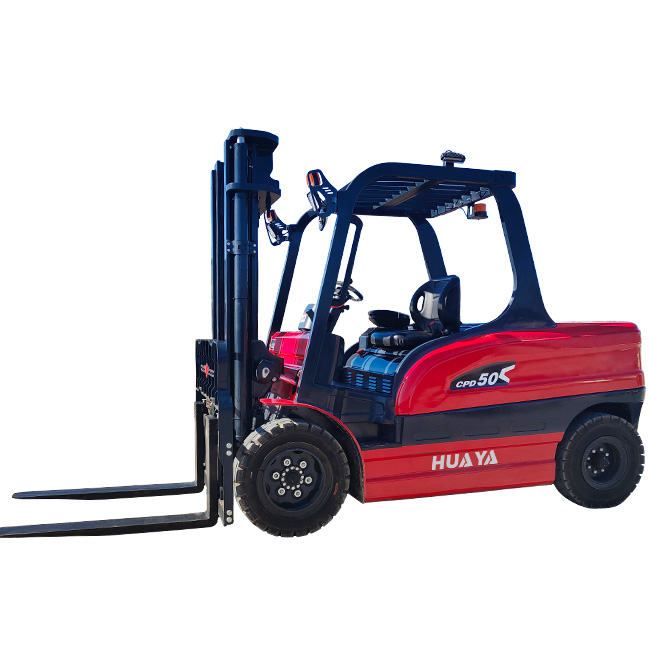
Electric forklifts have evolved dramatically over the past decade. What was once considered a slower, indoor-only machine has now become one of the fastest-growing segments in material handling. Recent market reports show electric forklifts are rapidly replacing internal combustion models due to stricter emissions regulations, lower maintenance costs, and advancements in lithium-ion battery technology.
Modern electric forklifts operate using rechargeable battery systems rather than fuel combustion. That means there is no engine oil, spark plugs, or exhaust system. Instead, electric motors provide smooth acceleration, quiet operation, and highly efficient energy use. Warehouses love this because cleaner air and lower noise levels create a more comfortable environment for workers.
The biggest transformation in recent years has been the rise of lithium-ion batteries. Older lead-acid batteries required lengthy charging periods, watering maintenance, and dedicated battery rooms. Lithium-ion technology changed the game completely. Faster charging, opportunity charging during breaks, longer runtime, and reduced maintenance have made electric forklifts far more practical for demanding operations.
Electric forklifts also align perfectly with modern sustainability goals. Many logistics companies are under pressure to reduce carbon emissions and improve ESG performance. Electric forklifts help businesses move toward cleaner operations without sacrificing efficiency. It is no surprise that electric forklifts now account for a growing percentage of new forklift sales worldwide.
How Electric Forklifts Operate
Electric forklifts rely on battery-powered motors to drive movement and hydraulic lifting functions. The battery acts as both the counterweight and energy source. Operators recharge the forklift using charging stations connected to the facility’s electrical system.
Because electric forklifts have fewer moving parts than LPG forklifts, maintenance requirements are significantly lower. There are no oil changes, fuel filters, or engine rebuilds. That reduction in maintenance can save businesses substantial money over the forklift’s lifespan.
Modern Lithium-Ion Technology
Lithium-ion batteries are transforming the forklift market in 2026. Battery costs continue falling while charging efficiency improves. Businesses can now use fast-charging systems that allow forklifts to recharge during lunch breaks or shift changes instead of sitting idle for hours.
Advantages of lithium-ion systems include:
- Faster charging times
- No battery watering
- Longer battery lifespan
- Lower maintenance
- Consistent power output
- Reduced downtime
This shift is one of the biggest reasons electric forklifts are becoming the preferred choice for warehouses worldwide.
Key Differences Between LPG and Electric Forklifts
At first glance, forklifts may look similar. They all lift pallets, move inventory, and transport materials. Under the surface, though, LPG and electric forklifts behave very differently. Choosing the wrong one can feel like wearing running shoes on a hiking trail. Technically possible, but far from ideal.
The biggest difference is energy delivery. LPG forklifts generate power through combustion engines, while electric forklifts rely on battery-powered motors. That affects everything from maintenance schedules to operating noise and fuel expenses. LPG models often provide stronger continuous power for demanding outdoor applications, while electric forklifts excel in smooth indoor environments.
Another major distinction is operational atmosphere. Electric forklifts create almost no noise compared to LPG models. Operators working long shifts often prefer electric forklifts because they reduce fatigue and improve communication inside warehouses. The absence of exhaust fumes also creates healthier indoor conditions, especially in food storage and pharmaceutical facilities.
Maintenance is another dividing line. LPG forklifts require engine servicing, oil changes, filters, cooling systems, and fuel management. Electric forklifts eliminate many of those tasks because they contain fewer mechanical components. Over several years, that maintenance difference can dramatically impact operating costs.
Performance and Power
LPG forklifts traditionally perform better in high-intensity outdoor applications. Heavy loads, long-distance travel, and rough terrain often favor combustion-powered systems. Electric forklifts, however, are rapidly catching up thanks to stronger lithium-ion batteries and more advanced motor technology.
Indoor vs Outdoor Applications
Electric forklifts dominate indoor environments because they produce zero direct emissions and low noise. LPG forklifts are more adaptable for outdoor use where ventilation is less of a concern.
Noise and Operator Comfort
Electric forklifts are significantly quieter. This improves operator comfort and reduces workplace noise pollution. In busy fulfillment centers, that quieter environment can improve safety and communication.
Maintenance Requirements
Here is a quick comparison:
| Maintenance Area | LPG Forklift | Electric Forklift |
|---|---|---|
| Oil Changes | Required | Not needed |
| Engine Repairs | Common | Minimal |
| Battery Maintenance | None | Required depending on battery type |
| Cooling System | Required | Minimal |
| Fuel System Service | Required | Not applicable |
Businesses looking for lower long-term maintenance costs often lean toward electric forklifts.
Cost Comparison
Price is usually the deciding factor for many businesses. The challenge is that forklift costs are not as simple as the sticker price. Buying a forklift is like buying a house—you cannot ignore long-term expenses such as utilities, maintenance, and repairs.
LPG forklifts often have lower upfront purchase costs compared to advanced lithium-ion electric forklifts. That makes them attractive to smaller businesses with limited budgets. A propane forklift may seem like the cheaper option initially, especially if the company already has fuel infrastructure.
The story changes when long-term operating costs enter the picture. Electric forklifts usually consume less energy and require less maintenance over time. Market reports in 2026 consistently highlight lower total cost of ownership as a major driver behind electric forklift adoption. Electricity is often cheaper and more stable than propane fuel prices, particularly in large warehouse operations.
Charging infrastructure does add costs for electric fleets. Businesses may need upgraded electrical systems, charging stations, and battery management procedures. Still, many companies recover those investments through reduced maintenance and energy savings over several years.
Initial Purchase Cost
| Forklift Type | Typical Initial Cost |
|---|---|
| LPG Forklift | Lower upfront price |
| Electric Forklift (Lead-Acid) | Moderate |
| Electric Forklift (Lithium-Ion) | Higher upfront investment |
Long-Term Operating Expenses
Electric forklifts usually win in long-term savings because they require fewer repairs and less routine servicing. There are simply fewer mechanical parts to fail.
Fuel vs Charging Costs
Propane prices fluctuate with energy markets, while electricity costs tend to remain more predictable. Businesses operating large fleets often discover significant savings after transitioning to electric systems.
Environmental Impact and Sustainability
Environmental regulations are becoming stricter across the world. Warehouses and factories are under increasing pressure to reduce emissions and improve sustainability performance. This is one of the biggest reasons electric forklifts are rapidly gaining market share.
Electric forklifts produce zero tailpipe emissions. That makes them ideal for food processing, pharmaceuticals, retail distribution centers, and indoor logistics operations. Cleaner air improves worker comfort and reduces ventilation requirements. Companies pursuing carbon neutrality goals also view electric forklifts as an easy sustainability upgrade.
LPG forklifts are cleaner than diesel forklifts, but they still emit carbon dioxide and other gases. In tightly regulated indoor environments, those emissions may require additional ventilation systems and compliance monitoring.
There is also a branding advantage to electrification. Customers increasingly value environmentally responsible companies. Warehouses operating electric fleets can use sustainability achievements in marketing and corporate reporting.
Emissions Regulations
Governments worldwide continue tightening emissions standards for industrial equipment. Electric forklifts help businesses comply with current and future environmental requirements.
Corporate Sustainability Goals
Large logistics and e-commerce companies are aggressively electrifying equipment fleets to meet ESG targets. Reports show electric forklifts are becoming the standard choice for modern warehouse operations.
Safety Considerations
Safety matters in every warehouse. Forklifts already carry operational risks because they move heavy loads in busy environments. The choice between LPG and electric forklifts introduces different types of safety concerns.
LPG forklifts involve combustible fuel. Improper cylinder handling, gas leaks, or poor ventilation can create hazards. Operators require training to safely replace propane tanks and inspect fuel systems. Facilities also need proper fuel storage procedures.
Electric forklifts avoid fuel combustion risks, but battery systems introduce different challenges. Lead-acid batteries may release gases during charging and require careful handling. Lithium-ion batteries are generally safer and lower maintenance, though businesses still need proper charging practices and electrical safety protocols.
Interestingly, many warehouse workers strongly prefer electric forklifts because of cleaner air and reduced exhaust exposure. Discussions from forklift operators online frequently highlight the comfort benefits of electric equipment indoors.
LPG Fuel Risks
Potential LPG safety concerns include:
- Gas leaks
- Fire hazards
- Fuel storage requirements
- Indoor ventilation needs
Battery Charging Safety
Electric forklift safety considerations include:
- Charging station management
- Electrical safety procedures
- Battery handling protocols
- Proper charging ventilation
Both systems can operate safely when businesses follow proper maintenance and training procedures.
Best Industries for LPG Forklifts
LPG forklifts remain extremely valuable in industries where outdoor durability and nonstop operation matter more than quiet performance. Construction suppliers, lumber yards, steel processing facilities, and shipping yards often continue using propane-powered fleets because they deliver reliable performance in demanding conditions.
Heavy manufacturing environments also benefit from LPG forklifts because they can handle long operating hours without waiting for battery charging cycles. A quick propane tank replacement gets the machine back to work almost immediately.
Industries commonly using LPG forklifts include:
| Industry | Why LPG Works Well |
|---|---|
| Construction Materials | Outdoor durability |
| Lumber Yards | Heavy lifting performance |
| Ports & Shipping | Continuous operations |
| Metal Processing | Strong power delivery |
| Multi-Shift Manufacturing | Fast refueling |
For businesses operating outdoors in unpredictable conditions, LPG forklifts still provide tremendous value.
Best Industries for Electric Forklifts
Electric forklifts dominate industries where cleanliness, low noise, and efficiency matter most. Warehousing and e-commerce facilities are rapidly adopting electric fleets because they align perfectly with indoor logistics operations.
Cold storage operations also favor electric forklifts because combustion emissions can become problematic in enclosed refrigerated environments. Food and beverage facilities benefit from cleaner air quality and quieter operation.
Electric forklifts are especially popular in:
- Warehouses
- E-commerce fulfillment centers
- Food processing plants
- Pharmaceutical facilities
- Retail distribution centers
- Cold storage operations
As lithium-ion technology improves, electric forklifts are increasingly moving into heavier-duty applications that once belonged exclusively to LPG or diesel equipment.
Which Forklift Is Better for Warehouses?
For most modern warehouses, electric forklifts are becoming the clear winner. The combination of lower maintenance, quieter operation, reduced emissions, and lower long-term operating costs gives them a major advantage. This trend is accelerating globally as businesses modernize logistics infrastructure.
That said, the answer still depends on the operation. A small warehouse with limited charging infrastructure and nonstop shifts may still prefer LPG forklifts. Facilities located in regions with unreliable electricity may also choose propane systems for operational stability.
Warehouses focused on sustainability, employee comfort, and automation integration increasingly lean toward electric forklifts. Industry reports suggest electrification is no longer a future trend—it is becoming the standard direction for material handling equipment.
Future Trends in the Forklift Industry
The forklift industry is changing faster than many people expected. Lithium-ion battery costs continue to drop, charging technology keeps improving, and environmental regulations are becoming stricter. These shifts are pushing electric forklifts into applications previously dominated by internal combustion equipment.
One of the biggest trends in 2026 is the rise of smart fleet management. Modern electric forklifts now integrate telematics, AI monitoring, and predictive maintenance systems. Businesses can monitor battery health, operator behavior, and equipment utilization in real time.
Automation is another major trend. Electric forklifts pair naturally with autonomous warehouse systems because battery-powered platforms are easier to integrate into digital logistics ecosystems.
Still, LPG forklifts are not disappearing overnight. Many heavy-duty outdoor industries will continue relying on propane-powered fleets for years because of their proven durability and operational flexibility.
Final Verdict
So, which is better: LPG or electric forklift?
The honest answer is that both are excellent—when matched with the right application.
If your business operates mainly indoors, prioritizes sustainability, wants quieter operations, and seeks lower long-term maintenance costs, electric forklifts are usually the better choice. The rapid improvement of lithium-ion technology is making electric forklifts more practical than ever before.
If your operation involves outdoor work, heavy-duty lifting, rough terrain, or nonstop multi-shift operations without reliable charging infrastructure, LPG forklifts still offer major advantages.
The smartest businesses do not simply follow trends. They evaluate operating environments, energy costs, maintenance capabilities, and long-term business goals before investing in equipment.
The debate between LPG and electric forklifts is no longer just about fuel type. It reflects a much larger shift happening across global logistics and material handling industries. Electric forklifts are rapidly becoming the preferred solution for warehouses because they reduce emissions, lower maintenance expenses, and improve operator comfort. Falling lithium-ion battery prices and smarter charging systems are accelerating this transition even further.
At the same time, LPG forklifts continue proving their value in demanding outdoor environments where fast refueling and strong continuous power matter most. They remain practical, reliable, and highly effective for heavy-duty applications.
Instead of asking which forklift is universally better, businesses should ask a more important question: which forklift is better for their specific operation? The right answer depends on workload, environment, operating hours, infrastructure, and future growth plans.
FAQs
1. Are electric forklifts cheaper to operate than LPG forklifts?
Yes, in most cases electric forklifts have lower long-term operating costs because they require less maintenance and electricity is often cheaper than propane fuel.
2. Which forklift is better for outdoor use?
LPG forklifts are generally better for outdoor environments because they handle rough terrain and continuous heavy-duty work more effectively.
3. Do electric forklifts last as long as LPG forklifts?
Modern electric forklifts, especially lithium-ion models, can have very long service lives with proper maintenance and battery care.
4. Can LPG forklifts be used indoors?
Yes, but proper ventilation is necessary because LPG forklifts still produce exhaust emissions.
5. Why are warehouses switching to electric forklifts?
Warehouses prefer electric forklifts because they are quieter, cleaner, more energy efficient, and align with sustainability goals.

Hot Products
Forklift Lease vs Buy: Which Fits Your Operation?
Forklift Spare Parts and After-Sales: A Buyer’s Guide
Forklifts for Container Loading: A Complete Guide
Forklift Charging Infrastructure: A Planning Guide


