
How Many Hours Is a Lot for an Electric Forklift?
18 May 2026
If you have ever shopped for a used electric forklift or managed a warehouse fleet, you have probably stared at the hour meter and wondered, “Is this too many hours?” It is a bit like buying a used car. A vehicle with 50,000 miles feels different from one with 250,000 miles. Forklifts work the same way, except their “mileage” is measured in operating hours instead of distance.
The tricky part is that forklift lifespan is not black and white. One electric forklift with 12,000 hours may still run beautifully, while another with only 7,000 hours could already be struggling because of poor maintenance. The number itself matters, but the story behind those hours matters even more. Industry research shows that most electric forklifts typically last between 10,000 and 20,000 operating hours, while premium models in well-maintained environments can exceed 30,000 hours.
Electric forklifts have become the backbone of modern warehouses because they are cleaner, quieter, and cheaper to maintain than diesel or LPG models. But no machine lasts forever. At some point, high operating hours begin catching up with the equipment in the form of battery wear, motor fatigue, hydraulic issues, and electronic problems.
So, how many hours is actually considered “a lot” for an electric forklift? The answer depends on usage intensity, maintenance habits, operating conditions, and even the type of battery installed. Let’s break it down piece by piece so you can understand what those numbers really mean before buying, selling, or managing an electric forklift.
Understanding Forklift Hour Meters
What Does “Forklift Hours” Actually Mean?
Forklift hours work similarly to mileage on a car, but instead of measuring distance traveled, they measure how long the machine has been operating. Every hour the forklift is turned on and working gets recorded on the hour meter. On some electric forklifts, there are even multiple tracking systems, including key-on hours, drive hours, and lift hours. Experienced forklift technicians often pay closer attention to “drive” or “deadman” hours because they reflect actual usage rather than idle time.
This distinction matters more than many buyers realize. Imagine two forklifts showing 8,000 hours. One might have spent years idling in a warehouse with operators leaving the key on during breaks. The other may have spent those same hours hauling heavy loads nonstop in a steel factory. The wear and tear would be completely different.
Electric forklifts are especially interesting because they experience less mechanical stress compared to diesel forklifts. There is no combustion engine, no oil-burning system, and fewer moving parts. That means the hour meter alone cannot fully predict the machine’s condition. Battery health, electronic systems, and hydraulic performance often reveal more than the number itself.
Warehouse managers often use forklift hours to estimate replacement schedules. A machine operating 2,000 hours per year in a single-shift warehouse may last over a decade. In a multi-shift logistics center running almost around the clock, those same hours can accumulate within just a few years. That is why understanding operating patterns is essential when evaluating forklift lifespan.
Why Electric Forklift Hours Matter More Than Age
People sometimes focus too much on the manufacturing year while ignoring usage. A five-year-old forklift with 15,000 hours can be more worn out than a ten-year-old forklift with only 4,000 hours. Hours tell the real story because forklifts age through work, not simply by sitting in storage.
Think about it like comparing two smartphones. One person barely uses theirs except for calls and messaging. Another spends all day gaming, streaming, and running heavy apps. After a few years, the second phone will likely degrade faster despite being the same age. Electric forklifts behave similarly.
Industry benchmarks suggest electric forklifts used under moderate conditions can last between 10 and 15 years or around 15,000 to 20,000 operating hours. However, extreme environments can shorten lifespan dramatically. Forklifts working in cold storage, foundries, ports, or dusty outdoor yards experience far greater strain than forklifts operating on smooth warehouse floors.
The battery also changes the equation completely. A forklift chassis may survive 20 years, but the battery often needs replacement much sooner. Lead-acid batteries typically last around 1,500–2,000 charging cycles, while lithium-ion batteries may exceed 3,000 cycles. That is why many older forklifts still run perfectly after receiving a new battery pack.
Average Lifespan of an Electric Forklift
Typical Operating Hour Range
Most industry experts agree that a well-maintained electric forklift generally lasts between 10,000 and 20,000 operating hours. That range acts as the “normal lifespan window” for the majority of warehouse operations worldwide.
Here is a quick comparison table:
| Forklift Condition | Approximate Hours | General Status |
|---|---|---|
| Low-hour forklift | 0–5,000 hours | Excellent condition |
| Mid-hour forklift | 5,000–10,000 hours | Moderate wear |
| High-hour forklift | 10,000–20,000 hours | Aging but usable |
| Very high-hour forklift | 20,000+ hours | End-of-life territory |
The reason electric forklifts often outlast diesel models comes down to simplicity. Electric drivetrains generate less heat, contain fewer moving parts, and avoid constant combustion stress. There are no engine pistons, injectors, or exhaust systems wearing out daily.
Still, the lifespan range is not fixed. A forklift in a clean warehouse with proper preventive maintenance might cross 25,000 hours comfortably. Another abused machine could become unreliable at 8,000 hours. Maintenance quality changes everything.
Single-Shift vs Multi-Shift Usage
Not all forklift hours are equal. A forklift used in a single-shift operation experiences a much gentler life than one running nearly 24/7.
A single-shift warehouse may use a forklift roughly 2,000 hours annually. In that environment, reaching 10,000 hours could take five years. Multi-shift operations may hit the same number in less than three years.
Heavy logistics centers place enormous stress on electric forklifts. Operators change frequently, charging cycles happen constantly, and equipment rarely rests. Heat buildup, repeated lifting, and nonstop movement accelerate wear on hydraulic systems, bearings, motors, and electronics.
This is why a 12,000-hour forklift from a light-duty furniture warehouse might still feel fresh, while a 12,000-hour forklift from a steel mill may already be near retirement. Context matters just as much as the number itself.
Electric vs Diesel Forklift Lifespan
Electric forklifts generally last longer than diesel forklifts because they have fewer components exposed to heat and friction. Industry data suggests diesel forklifts often average 8,000–15,000 hours, while electric models commonly achieve 10,000–20,000 hours or more.
That longer lifespan is one reason companies increasingly switch toward electric fleets. Beyond environmental benefits, electric forklifts usually offer:
- Lower maintenance costs
- Fewer breakdowns
- Reduced fuel expenses
- Quieter operation
- Better indoor safety
Modern lithium-ion electric forklifts also reduce downtime because opportunity charging allows operators to recharge during breaks instead of waiting for full battery swaps.
When Do Forklift Hours Become “A Lot”?
5,000 Hours: Still Relatively Young
For most electric forklifts, 5,000 hours is not considered high. In fact, many buyers specifically search for forklifts under this threshold because it often indicates relatively low wear.
At this stage, the forklift is usually comparable to a car with moderate mileage. Major systems should still have significant life remaining, assuming maintenance has been handled properly. Batteries may still perform well, particularly lithium-ion packs.
A forklift with fewer than 5,000 hours often commands higher resale prices because buyers see it as “safe territory.” Repairs are generally minor, and downtime risks remain relatively low.
10,000 Hours: Mid-Life Territory
Once an electric forklift reaches around 10,000 hours, people start paying closer attention. This is where the machine enters middle age. It is not necessarily old, but components begin showing wear.
Hydraulic seals may leak occasionally. Drive motors might need servicing. Tires, bearings, steering systems, and wiring connectors often require replacement or refurbishment. Batteries become a major consideration here, especially lead-acid models.
Still, a properly maintained forklift at 10,000 hours can remain highly productive. Many warehouses continue operating machines in this range daily without issues.
20,000+ Hours: High-Hour Machines
When an electric forklift exceeds 20,000 hours, most buyers consider it a high-hour machine. That does not automatically mean it is worthless, but expectations change dramatically.
At this point, repairs become more frequent. Downtime risks increase. Electronic controllers, hydraulic pumps, and traction motors may need rebuilding or replacement. If maintenance records are incomplete, buying such a forklift becomes risky.
Interestingly, some forklifts continue operating far beyond this mark. Online discussions from forklift operators mention electric lifts with 30,000, 40,000, and even 70,000 hours still functioning. These are exceptional cases usually involving extensive maintenance and component replacements.
Can a Forklift Reach 30,000 Hours?
Yes, but it is rare without serious maintenance investment. High-quality forklifts from reputable brands sometimes exceed 30,000 hours when maintained carefully.
Reaching this milestone usually requires:
- Excellent preventive maintenance
- Skilled operators
- Battery replacements
- Timely repairs
- Favorable operating environments
It is similar to seeing an old truck with 500,000 miles still running. Possible? Absolutely. Common? Not really.
Factors That Affect Electric Forklift Longevity
Battery Type and Charging Habits
The battery is the heart of every electric forklift. Poor battery care can destroy lifespan faster than almost anything else.
Lead-acid batteries require regular watering, proper charging schedules, and cooling periods. Overcharging or deep discharging shortens life dramatically. Lithium-ion batteries are more forgiving and often last longer, but they cost more upfront.
Improper charging habits are like feeding junk food to an athlete every day. Eventually, performance collapses. Companies that train employees on correct charging procedures often gain years of additional battery life.
Maintenance Quality
Maintenance is the difference between a forklift dying at 8,000 hours or surviving beyond 20,000 hours.
Routine inspections help catch small issues before they become disasters. Replacing worn tires early reduces strain on motors. Checking hydraulic systems prevents leaks from escalating into pump failures. Cleaning electrical connections avoids overheating problems.
Industry experts consistently identify preventive maintenance as the single biggest factor influencing forklift lifespan.
Operating Environment
A forklift working inside a clean warehouse enjoys a much easier life than one operating outdoors in mud, rain, dust, or extreme temperatures.
Harsh environments accelerate corrosion, clog filters, damage electronics, and stress hydraulic systems. Cold storage warehouses create condensation issues, while foundries expose forklifts to intense heat.
Environment acts like climate on a human body. Living comfortably indoors is very different from surviving daily in extreme desert conditions.
Driver Behavior and Load Handling
Aggressive drivers shorten forklift lifespan quickly. Sudden braking, excessive speed, overloading, and rough handling place enormous stress on every component.
Good operators treat forklifts like precision equipment. Bad operators treat them like bumper cars.
Training programs matter more than many businesses realize. Skilled drivers reduce accident risks, improve efficiency, and significantly extend equipment lifespan.
Signs an Electric Forklift Has Too Many Hours
Battery Performance Problems
Weak battery performance is often the first warning sign of an aging electric forklift. If charging takes longer, runtime decreases, or voltage drops occur frequently, the battery may be nearing the end of its life.
Operators may notice slower acceleration, weaker lifting power, or reduced shift duration. These symptoms often appear before complete battery failure.
Frequent Repairs and Downtime
When forklifts spend more time in the repair shop than on the warehouse floor, operating hours have likely caught up with the machine.
Frequent electrical faults, hydraulic leaks, brake issues, and controller failures indicate aging components. At some point, repair costs exceed replacement value.
This is where fleet managers perform the classic “repair vs replace” calculation. Throwing endless money into an aging forklift can become like constantly patching an old roof during every storm.
Reduced Lifting Efficiency
Older forklifts sometimes lose lifting precision and speed. Hydraulics become sluggish, mast movements feel jerky, and travel speed decreases.
These problems reduce warehouse productivity directly. Even if the forklift technically still works, inefficiency creates hidden operational costs.
Is Buying a High-Hour Electric Forklift Worth It?
A high-hour forklift is not automatically a bad purchase. Some are maintained beautifully and still offer years of service. Others become money pits immediately after purchase.
Before buying, inspect:
- Battery health reports
- Maintenance records
- Hydraulic performance
- Tire condition
- Charger compatibility
- Error codes
- Mast wear
- Steering response
Always prioritize condition over appearance. A shiny paint job means nothing if the battery is dying.
How to Extend Electric Forklift Lifespan
Preventive Maintenance Tips
Preventive maintenance is like regular exercise for machinery. Small consistent efforts prevent massive failures later.
Key maintenance practices include:
- Daily inspections
- Tire pressure checks
- Hydraulic fluid monitoring
- Cleaning battery terminals
- Lubricating moving parts
- Updating software systems
- Replacing worn components early
Warehouses with strict maintenance programs consistently achieve longer forklift lifespans.
Proper Battery Care
Battery care deserves special attention because replacement costs are significant.
To maximize battery lifespan:
- Avoid full discharges
- Follow manufacturer charging guidelines
- Keep batteries clean
- Maintain proper water levels in lead-acid batteries
- Prevent overheating
- Use compatible chargers
Modern lithium-ion systems simplify much of this process, which explains their growing popularity in logistics operations.
So, how many hours is a lot for an electric forklift? In most cases, anything above 20,000 hours is considered high, while 10,000–15,000 hours represents normal aging territory. Forklifts under 5,000 hours are generally still viewed as relatively young machines.
But hours alone never tell the full story. Maintenance quality, battery condition, operating environment, and driver behavior matter just as much as the number on the meter. A carefully maintained forklift with 18,000 hours can easily outperform a neglected forklift with only 6,000 hours.
Electric forklifts continue gaining popularity because of their longer lifespan, lower maintenance costs, and environmental advantages. With proper care, many can deliver reliable service for well over a decade. The smartest buyers and fleet managers focus not only on hours but also on the overall health and maintenance history of the equipment.
If you treat an electric forklift properly, it can become less like a disposable machine and more like a dependable workhorse that keeps your warehouse moving year after year.
FAQs
1. Is 10,000 hours a lot for an electric forklift?
Not necessarily. For many electric forklifts, 10,000 hours is considered mid-life rather than end-of-life. Properly maintained units can continue operating efficiently for many more years.
2. How long do electric forklift batteries last?
Lead-acid batteries typically last 3–7 years, while lithium-ion batteries may last 8–10 years or more depending on charging habits and maintenance.
3. Can an electric forklift last 30,000 hours?
Yes, some premium forklifts exceed 30,000 hours with excellent maintenance and periodic component replacement, though this is not typical.
4. Are electric forklifts more durable than diesel forklifts?
In many cases, yes. Electric forklifts often last longer because they have fewer moving parts and experience less engine-related wear compared to diesel forklifts.


Hot Products
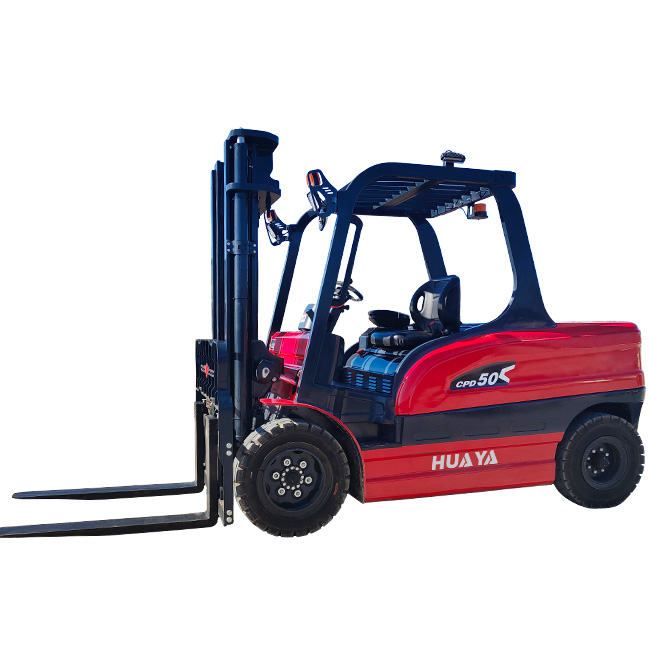
Forklift Charging Infrastructure: A Planning Guide
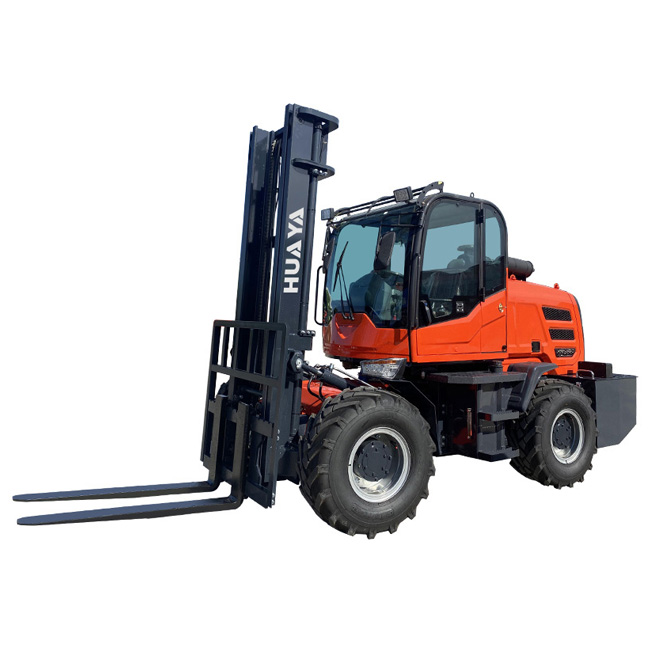
Forklift Tires Guide: Cushion vs Pneumatic vs Solid
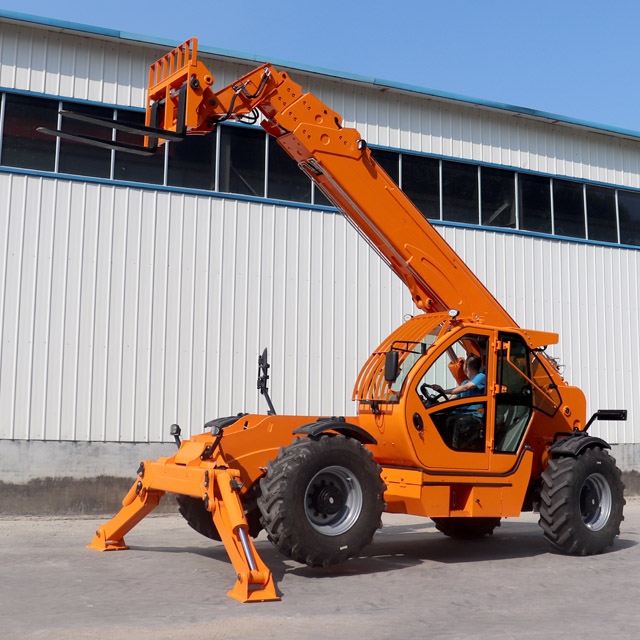
Forklift Mast Guide: 2-Stage vs 3-Stage vs Full Free Lift
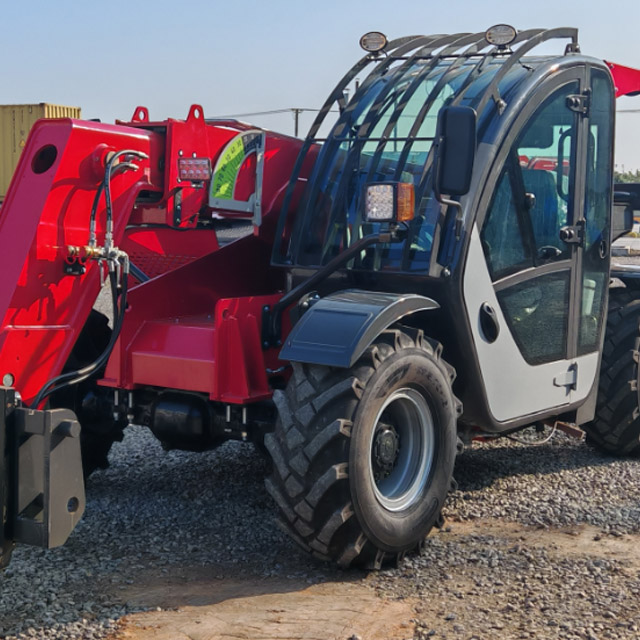
Rough Terrain Forklifts: When Does Your Site Need One?


