

why do forklifts use lpg?
28 Apr 2026
Introduction to LPG Forklifts
What is LPG in forklifts?
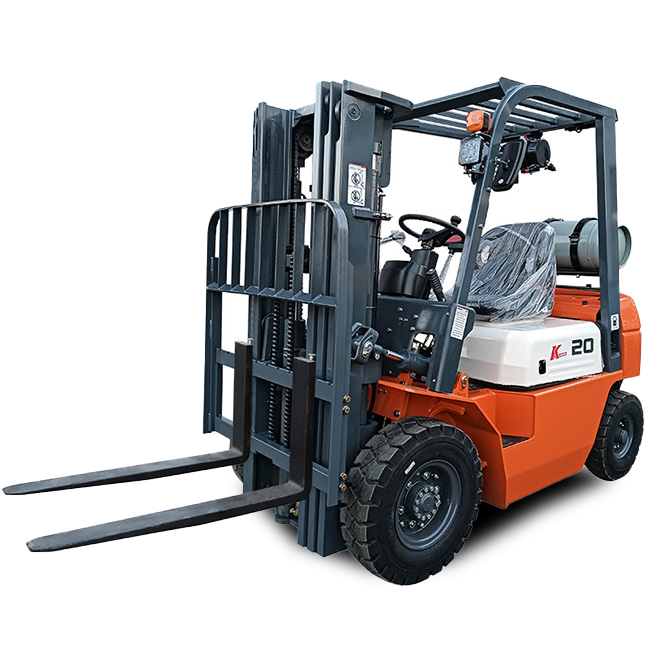
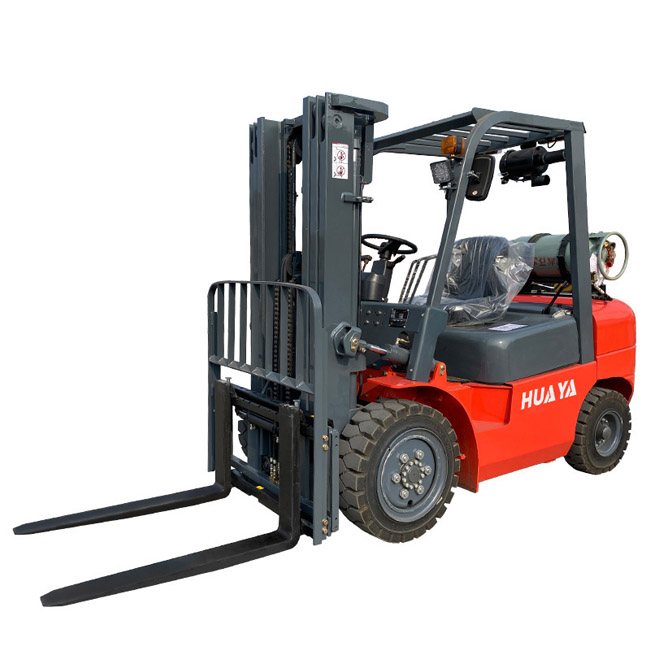
LPG stands for Liquefied Petroleum Gas, a fuel commonly made from propane and butane. In forklifts, it is stored in removable cylinders and burned in an internal combustion engine to generate power. Unlike diesel, which is stored in a fixed tank, LPG comes in portable bottles that can be swapped in minutes.
In simple terms, LPG forklifts are like hybrid workers—they combine the strength of traditional combustion engines with cleaner-burning fuel technology.
Why businesses still rely on it today
Even with electric forklifts rising in popularity, LPG still holds a strong position in the market. Why? Because it delivers a perfect middle ground. Businesses want something powerful enough for heavy lifting but clean enough for indoor use, and LPG fits that gap better than most alternatives.
The Evolution of Forklift Fuel Types
From diesel to electric and LPG
Forklifts originally relied heavily on diesel engines due to their raw power and durability. However, diesel brought problems like smoke, noise, and indoor air pollution. As warehouses expanded and indoor logistics became more common, diesel started losing its dominance.
Electric forklifts then entered the scene with zero emissions—but they brought a different limitation: long charging times and limited runtime.
LPG emerged as the middle solution, offering combustion power without the heavy pollution of diesel and without the downtime of electric charging systems.
Why LPG became the middle ground option
LPG quickly gained popularity because it combined:
- Cleaner burning than diesel
- Faster refueling than electric charging
- Strong performance for multi-shift operations
It basically solved the “too dirty vs too slow” problem that companies were facing.
Key Reasons Forklifts Use LPG
Cost efficiency compared to diesel
One of the biggest reasons businesses choose LPG is simple: it saves money. LPG is generally cheaper per operating hour than diesel and offers more stable pricing in many regions.
According to industry comparisons, LPG forklifts can reduce fuel costs by 30–40% compared to gasoline models in many operations.
For large warehouses running forklifts all day, those savings add up quickly.
Cleaner emissions for indoor use
LPG burns much cleaner than diesel. It produces fewer harmful emissions such as particulate matter and soot, making it suitable for indoor or semi-indoor environments when ventilation is available.
That’s why you’ll often see LPG forklifts inside:
- Distribution centers
- Food processing plants
- Packaging warehouses
It’s not emission-free—but it’s much more controlled than diesel.
Faster refueling and reduced downtime
One of the biggest operational advantages is speed. Instead of waiting hours to recharge a battery, workers can simply swap an LPG cylinder in a few minutes and continue working.
This reduces downtime dramatically, especially in 24/7 operations where every minute counts.
Versatility in indoor and outdoor operations
LPG forklifts are extremely flexible. They can move seamlessly between indoor and outdoor environments without major performance loss.
This makes them ideal for businesses that:
- Load trucks outside
- Store goods inside warehouses
- Operate in mixed environments
Few other fuel types offer this level of flexibility.
Performance Advantages of LPG Forklifts
Consistent power output
Unlike electric forklifts that may slow down as the battery drains, LPG forklifts maintain steady engine performance throughout operation. This makes workflow more predictable.
Better engine durability
Because LPG burns cleaner than diesel, it produces less carbon buildup inside engines. This leads to longer engine life and reduced wear, especially in heavy-use environments.
Suitable for medium-heavy workloads
LPG forklifts are not just light-duty machines. Many models can handle 3,000 lbs to over 15,000 lbs, making them suitable for serious industrial applications.
LPG vs Diesel Forklifts
Fuel cost comparison table
| Factor | LPG Forklift | Diesel Forklift |
|---|---|---|
| Fuel cost | Lower | Higher |
| Maintenance | Medium | High |
| Indoor use | Possible (ventilation needed) | Limited |
| Emissions | Cleaner | Heavier pollution |
| Noise level | Moderate | High |
Emissions and environmental impact
Diesel forklifts produce more smoke and particulate matter, making them less suitable for indoor environments. LPG, on the other hand, significantly reduces emissions while still maintaining strong engine performance.
LPG vs Electric Forklifts
Operational flexibility differences
Electric forklifts are excellent for clean indoor environments, but they struggle in multi-shift or outdoor-heavy operations. LPG forklifts fill that gap with more flexibility.
Charging vs refueling efficiency
Electric forklifts require long charging cycles, while LPG forklifts can be refueled in minutes. This difference alone can decide which forklift a business chooses.
Safety Aspects of LPG Forklifts
Handling LPG cylinders safely
LPG cylinders must be handled carefully to prevent leaks or accidents. However, modern systems are designed with strong safety valves and quick-change mechanisms to reduce risk.
Workplace ventilation requirements
Because LPG still produces emissions, proper ventilation is required when operating indoors. This ensures safe air quality for workers.
Industries That Prefer LPG Forklifts
Warehousing and logistics
Warehouses often operate long shifts and need fast refueling solutions, making LPG forklifts a perfect fit.
Manufacturing and construction
Construction sites prefer LPG because it works well in both indoor and outdoor environments without requiring charging infrastructure.
Disadvantages of LPG Forklifts
Fuel storage limitations
Unlike diesel tanks, LPG requires cylinder storage and handling systems, which adds complexity to operations.
Emissions still not zero
While cleaner than diesel, LPG is still a fossil fuel and produces carbon emissions, meaning it’s not a long-term zero-emission solution.
Future of LPG Forklifts
Role in hybrid fleets
Many companies are now using LPG forklifts alongside electric models to create hybrid fleets that balance efficiency and sustainability.
Transition toward greener fuels
While electric and hydrogen technologies are growing, LPG remains relevant due to its cost and infrastructure advantages.
LPG forklifts exist because they solve a very real industrial problem: how to balance power, cost, and flexibility without the limitations of diesel or electric systems. They are not perfect, but they are extremely practical. That’s why even in 2026, they continue to be a major choice in warehouses and logistics operations worldwide.
FAQs
1. Why is LPG preferred over diesel?
Because it produces fewer emissions, costs less to operate, and works better in indoor environments.
2. Are LPG forklifts safe indoors?
Yes, but only with proper ventilation to manage emissions.
3. Is LPG cheaper than electricity?
Electricity is usually cheaper per hour, but LPG offers faster refueling and more flexibility.
4. How long does an LPG tank last?
Typically one tank can last a full 6–8 hour shift depending on workload.
5. Will LPG forklifts disappear in the future?
Unlikely in the near term—they will continue to be used alongside electric forklifts in hybrid operations.
 Is LPG Engine Forklift Truck Regulated by EPA?
Hot Products
What Is an LPG Forklift?
How Tall Is a Standard Forklift?
Can Electric Forklifts Be Used in the Rain?
Where Is the Balancing Point on a Forklift?