
Why Use an Electric Forklift?
25 May 2026
The forklift industry is going through a massive transformation. A few years ago, diesel forklifts dominated warehouses, construction sites, and industrial facilities around the world. Today, electric forklifts are rapidly becoming the preferred choice for businesses looking to reduce operating costs, improve workplace safety, and meet sustainability goals. From large logistics centers to small warehouses, companies are realizing that electric forklifts are no longer just an alternative — they are becoming the future of material handling.
The numbers tell the story clearly. Recent industry reports show that the global electric forklift market was valued at around USD 56.89 billion in 2025 and is expected to grow at a CAGR of 13.7% through 2033. Lithium-ion electric forklift technology is growing even faster, with projected annual growth exceeding 16%. Businesses are investing heavily in cleaner, smarter, and more energy-efficient warehouse equipment because operational efficiency has become more important than ever in the age of e-commerce and global logistics.
So why are so many businesses switching to electric forklifts? Is it simply about environmental protection, or are there deeper financial and operational reasons behind the trend? The answer is a combination of both. Electric forklifts are changing how warehouses operate by reducing downtime, cutting fuel expenses, minimizing maintenance needs, and creating a healthier work environment. Think of them as the difference between an old fuel-powered machine and a modern electric vehicle. One feels outdated and noisy, while the other feels smooth, intelligent, and efficient.
The Growing Popularity of Electric Forklifts
Market Growth and Industry Trends
The demand for electric forklifts is increasing across nearly every industry. Warehousing, logistics, manufacturing, retail, and food processing companies are all embracing electric-powered equipment because the economics are becoming impossible to ignore. According to recent market research, the electric forklift industry is expected to reach more than USD 158 billion by 2033. That kind of growth does not happen accidentally. It reflects a major shift in how companies think about productivity, sustainability, and long-term operational planning.
One of the biggest drivers behind this growth is the explosion of e-commerce. Online shopping has completely transformed global logistics networks. Warehouses are now operating around the clock, processing thousands of orders daily. Electric forklifts are perfectly suited for these environments because they are quieter, cleaner, and easier to operate indoors. In fast-paced distribution centers, every second matters. Electric forklifts help businesses maximize efficiency while reducing operational interruptions.
Government regulations are also playing a huge role. Many countries are introducing stricter emissions rules for industrial equipment. Companies that continue relying heavily on diesel-powered forklifts may face rising compliance costs in the future. Electric forklifts provide a practical solution because they produce zero direct emissions during operation. Businesses can improve sustainability without sacrificing productivity.
Why Warehouses Are Switching Faster Than Ever
Modern warehouses are under enormous pressure to move products faster while reducing costs. Traditional fuel-powered forklifts create challenges that slow operations down. They generate noise, produce exhaust fumes, and require frequent maintenance. Electric forklifts solve many of these problems simultaneously.
Imagine running a warehouse where workers spend eight to ten hours surrounded by engine noise and diesel fumes. Productivity naturally suffers in that environment. Electric forklifts create a cleaner and quieter workspace that improves employee comfort and concentration. Workers can communicate more easily, which also improves safety and coordination.
Another reason warehouses are switching rapidly is energy efficiency. Electricity costs are often significantly lower than diesel fuel expenses over time. Companies operating multiple forklifts every day can save substantial amounts annually simply by reducing fuel consumption. When combined with lower maintenance costs, the financial advantages become extremely attractive.
What Is an Electric Forklift?
How Electric Forklifts Work
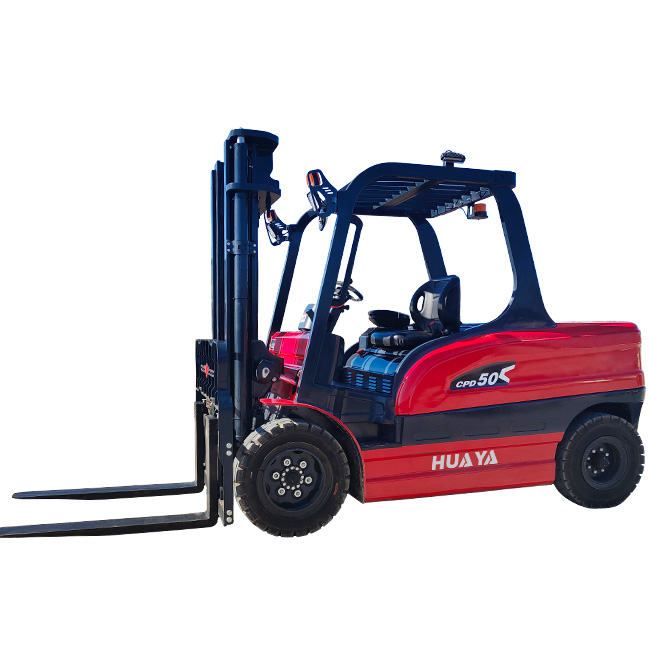
An electric forklift uses rechargeable batteries to power its motor instead of relying on internal combustion engines like diesel or LPG forklifts. The forklift converts stored electrical energy into mechanical power, allowing it to lift, transport, and stack materials efficiently. Most electric forklifts today use either lead-acid batteries or modern lithium-ion battery systems.
The driving experience of an electric forklift is remarkably smooth compared to diesel models. Acceleration feels more controlled, steering is often more precise, and the overall machine operates with less vibration. Operators usually notice the difference immediately. It feels similar to switching from an old gasoline car to a modern electric vehicle — quieter, smoother, and more responsive.
Electric forklifts also feature regenerative braking systems in many models. This means energy is recovered during braking and returned to the battery, improving overall efficiency. It is a clever technology that helps extend battery life and reduce energy waste.
Main Types of Electric Forklifts
Electric forklifts come in several configurations depending on operational requirements. Common types include:
| Type | Best Use |
|---|---|
| Electric Counterbalance Forklift | General warehouse operations |
| Electric Reach Truck | Narrow aisle warehousing |
| Electric Pallet Truck | Horizontal material movement |
| Electric Stacker | Light warehouse stacking |
| Electric Rough Terrain Forklift | Outdoor uneven surfaces |
Each type is designed for specific handling tasks. Warehouses with limited aisle space often prefer reach trucks because they maximize storage capacity. Manufacturing plants may rely more on counterbalance forklifts for heavy lifting tasks.
The flexibility of electric forklifts is one reason they are becoming so widely adopted across industries.
Key Benefits of Electric Forklifts
Lower Operating Costs
Cost reduction is one of the biggest reasons businesses switch to electric forklifts. Fuel prices are unpredictable, and diesel costs can fluctuate dramatically depending on global energy markets. Electricity, on the other hand, is generally more stable and affordable.
An electric forklift contains fewer moving parts than a diesel forklift. There is no engine oil, fuel filter, transmission fluid, or complex exhaust system requiring constant maintenance. This immediately reduces service costs and downtime. Over several years of operation, these savings become substantial.
Many warehouse managers initially focus on the higher purchase price of electric forklifts. That is understandable. However, the real financial picture becomes clear when total ownership costs are analyzed over five to ten years. Lower fuel expenses, fewer repairs, and reduced maintenance often make electric forklifts significantly cheaper in the long run.
Reduced Maintenance Requirements
Diesel forklifts are powerful machines, but they demand regular maintenance. Oil changes, engine inspections, fuel system cleaning, and exhaust maintenance are all ongoing responsibilities. Electric forklifts eliminate many of these requirements completely.
Think about it like owning a bicycle versus maintaining a motorcycle. Both can get you from one place to another, but one requires far less mechanical attention. Electric forklifts are similar. Their simpler design means fewer components can fail.
Downtime is expensive in any warehouse environment. Every hour a forklift sits idle due to maintenance can disrupt productivity. Electric forklifts reduce those interruptions significantly, helping operations run more smoothly and consistently.
Environmentally Friendly Operations
Sustainability is no longer just a marketing buzzword. Customers, investors, and governments increasingly expect businesses to reduce their environmental impact. Electric forklifts support these goals by producing zero direct emissions during operation.
Warehouses using electric forklifts often experience noticeable improvements in indoor air quality. Employees are not exposed to diesel exhaust fumes, creating a healthier work environment. This is especially important in industries like food processing, pharmaceuticals, and retail distribution where cleanliness standards are extremely high.
Industry experts also note that electric forklifts contribute to lower overall carbon footprints when powered by renewable energy sources. Businesses using solar or green electricity can dramatically reduce emissions associated with material handling operations.
Quiet and Comfortable Performance
Noise pollution is an underrated issue in industrial environments. Constant engine noise creates fatigue, reduces concentration, and can negatively impact worker morale over time. Electric forklifts operate much more quietly than diesel models.
Operators often describe electric forklifts as easier and more comfortable to use during long shifts. Reduced vibration means less physical strain, while smoother controls improve maneuverability in tight spaces. Employees who feel comfortable operating equipment are generally more productive and less prone to fatigue-related mistakes.
Quiet operations are also valuable in customer-facing environments. Retail warehouses and distribution centers located near offices or residential areas benefit significantly from reduced noise levels.
Electric Forklift vs Diesel Forklift
Performance Comparison
Many people assume diesel forklifts always outperform electric models. That was largely true years ago, but technology has changed rapidly. Modern electric forklifts now deliver impressive lifting power, acceleration, and operational efficiency.
Diesel forklifts still maintain advantages in certain extreme outdoor applications, particularly heavy-duty operations on rough terrain. However, electric forklifts dominate indoor warehouse environments because of their cleaner operation and maneuverability.
Electric motors provide instant torque, which means forklifts respond quickly during lifting and acceleration. Operators often notice smoother handling and better precision when positioning loads.
Cost Comparison
Here is a simplified comparison between electric and diesel forklifts:
| Factor | Electric Forklift | Diesel Forklift |
|---|---|---|
| Fuel Costs | Lower | Higher |
| Maintenance | Lower | Higher |
| Initial Price | Higher | Lower |
| Noise Level | Quiet | Loud |
| Emissions | Zero Direct Emissions | High |
| Indoor Suitability | Excellent | Limited |
Although diesel forklifts may have lower initial purchase prices, operational expenses frequently outweigh that advantage over time.
Indoor vs Outdoor Applications
Electric forklifts excel indoors because they produce no exhaust emissions. Warehouses, cold storage facilities, and food distribution centers especially benefit from clean operations. Diesel forklifts remain common in outdoor environments where ventilation is not a concern and extreme heavy lifting is required.
That said, electric rough terrain forklifts are becoming increasingly capable. Battery technology improvements are expanding their use into construction sites and outdoor logistics yards.
Battery Technology Is Changing the Industry
Lithium-Ion Battery Advantages
Lithium-ion batteries are revolutionizing electric forklift performance. Traditional lead-acid batteries require longer charging times and more maintenance. Lithium-ion systems charge faster, last longer, and require minimal upkeep.
Recent market reports show lithium-ion electric forklifts are experiencing some of the fastest growth rates in the industry. Businesses are attracted by their efficiency and reliability.
Lithium-ion batteries also support opportunity charging. Operators can recharge forklifts during short breaks without damaging battery life. This reduces downtime dramatically in busy warehouse operations.
Charging Speed and Efficiency
Charging infrastructure has improved significantly in recent years. Fast-charging systems allow forklifts to return to operation much faster than older battery technologies permitted.
Some modern electric forklifts can operate nearly continuously with proper battery management strategies. This removes one of the biggest historical concerns businesses had about electric equipment.
Energy efficiency also plays a major role. Electric forklifts convert energy into usable power far more efficiently than combustion engines convert fuel into motion. Less wasted energy means lower operational costs.
Safety Advantages of Electric Forklifts
Better Visibility and Maneuverability
Safety is critical in material handling environments. Electric forklifts are often designed with compact frames that improve operator visibility. Better visibility helps reduce accidents involving pallets, shelves, or pedestrians.
Their smaller turning radius also makes them ideal for narrow warehouse aisles. Operators can maneuver more precisely without constantly repositioning the machine.
Electric forklifts additionally feature smoother braking systems, which improves load stability during transport. Sudden jerky movements are less common compared to some diesel models.
Reduced Workplace Hazards
Diesel exhaust fumes can create health concerns in enclosed spaces. Electric forklifts eliminate that issue completely. Reduced emissions improve air quality and decrease ventilation requirements.
The quieter operation of electric forklifts also contributes to safer workplaces because employees can hear alarms, warnings, and verbal communication more clearly.
Many businesses report fewer workplace complaints related to noise and air quality after transitioning to electric fleets.
Industries That Benefit Most from Electric Forklifts
Warehousing and Logistics
Warehouses are perhaps the biggest beneficiaries of electric forklift technology. E-commerce fulfillment centers rely heavily on continuous material movement, and electric forklifts help maintain high efficiency levels with minimal disruption.
Recent market studies indicate that retail and e-commerce electric forklift demand is growing at more than 16% annually. That growth reflects the increasing importance of fast, reliable warehouse operations.
Food and Beverage Industry
Food warehouses prioritize hygiene and air quality. Electric forklifts are ideal because they do not produce exhaust emissions that could contaminate products or storage environments.
Cold storage facilities also benefit because electric forklifts generally perform well in temperature-controlled settings.
Manufacturing and Retail
Manufacturing plants appreciate the lower maintenance requirements and quieter operations of electric forklifts. Retail distribution centers benefit from improved efficiency and cleaner environments.
As automation expands, electric forklifts are becoming increasingly integrated with smart warehouse technologies and automated guided systems.
Challenges of Electric Forklifts
Initial Investment Costs
Electric forklifts often require higher upfront investment compared to diesel alternatives. Lithium-ion battery systems especially can increase purchase prices significantly.
For smaller businesses, that initial cost can feel intimidating. However, long-term operational savings usually offset the difference over time.
Financing programs and leasing options are making electric forklifts more accessible to businesses of all sizes.
Charging Infrastructure Requirements
Companies transitioning to electric forklifts must invest in charging infrastructure. Warehouses may need upgraded electrical systems and dedicated charging stations.
Planning is important. Businesses need to evaluate operating schedules, battery requirements, and charging capacity before making the transition.
Despite these challenges, most companies find the long-term advantages outweigh the initial adjustments.
Future of Electric Forklifts
Automation and Smart Warehouses
The future of material handling is closely connected to automation. Electric forklifts integrate more easily with autonomous technologies because their electronic systems are already digitally controlled.
Smart warehouses increasingly rely on connected equipment that can communicate with inventory systems and warehouse management software. Electric forklifts fit naturally into this ecosystem.
Autonomous electric forklifts are already appearing in advanced logistics facilities around the world.
Sustainability and Government Regulations
Environmental regulations will continue pushing industries toward cleaner technologies. Companies adopting electric forklifts today are positioning themselves ahead of future compliance requirements.
Sustainability is also becoming a competitive advantage. Customers increasingly prefer working with environmentally responsible companies. Electric forklifts help businesses demonstrate commitment to greener operations.
The momentum behind electric industrial equipment is unlikely to slow down anytime soon.
Electric forklifts are transforming the material handling industry because they solve multiple business challenges at once. They reduce fuel expenses, minimize maintenance costs, improve workplace safety, and support environmental sustainability goals. Modern battery technology has eliminated many of the performance limitations that once discouraged businesses from switching away from diesel equipment.
The rapid growth of e-commerce, stricter environmental regulations, and rising operational costs are all accelerating the transition toward electric-powered warehouse equipment. Companies that invest in electric forklifts today are not simply buying machinery — they are investing in efficiency, sustainability, and long-term competitiveness.
Diesel forklifts still have important roles in certain heavy-duty outdoor applications, but electric forklifts are becoming the dominant solution for indoor warehousing and logistics environments. As battery technology, automation, and charging infrastructure continue improving, the advantages of electric forklifts will only become stronger.
FAQs
1. Are electric forklifts cheaper to operate than diesel forklifts?
Yes. Electric forklifts generally have lower operating costs because electricity is cheaper than diesel fuel, and maintenance requirements are significantly reduced.
2. How long do electric forklift batteries last?
Lead-acid batteries usually last around 1,500 charging cycles, while lithium-ion batteries can often exceed 3,000 charging cycles depending on usage and maintenance.
3. Can electric forklifts be used outdoors?
Yes. Many electric forklifts can operate outdoors, especially modern rough terrain models. However, diesel forklifts may still perform better in extremely rugged environments.
4. Why are lithium-ion batteries becoming popular in forklifts?
Lithium-ion batteries charge faster, last longer, require less maintenance, and support opportunity charging during short breaks.
5. Are electric forklifts environmentally friendly?
Yes. Electric forklifts produce zero direct emissions during operation, helping improve air quality and reduce carbon footprints.

Hot Products
Forklift Lease vs Buy: Which Fits Your Operation?
Forklift Spare Parts and After-Sales: A Buyer’s Guide
Forklifts for Container Loading: A Complete Guide
Forklift Charging Infrastructure: A Planning Guide


