

Does OSHA consider a telehandler a forklift?
12 Sep 2025
When it comes to workplace safety in construction, warehousing, and industrial sectors, OSHA (Occupational Safety and Health Administration) plays a critical role. OSHA sets forth clear guidelines on how equipment should be classified, used, and maintained. One commonly debated topic is: Does OSHA consider a telehandler a forklift? To fully understand the answer, we must explore how OSHA defines these machines and where telehandlers fit in.
Understanding Forklifts in OSHA Regulations
Definition of a Forklift
A forklift, as defined by OSHA, is a powered industrial truck used to lift, carry, and move loads. They are essential in industries like warehousing, logistics, and manufacturing.
Types of Forklifts OSHA Recognizes
OSHA recognizes several forklift classifications, including:
Counterbalance forklifts
Reach trucks
Order pickers
Pallet jacks
Each type serves a unique purpose and has distinct safety standards.
What is a Telehandler?
Structure and Design of Telehandlers
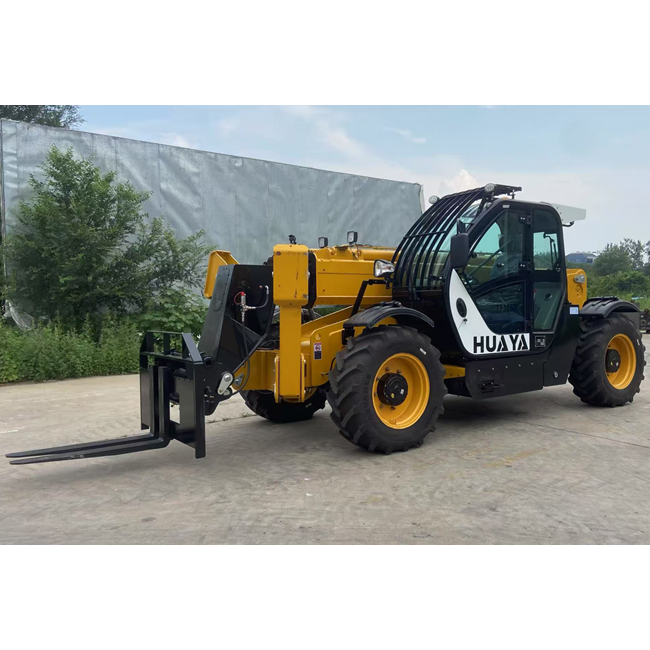
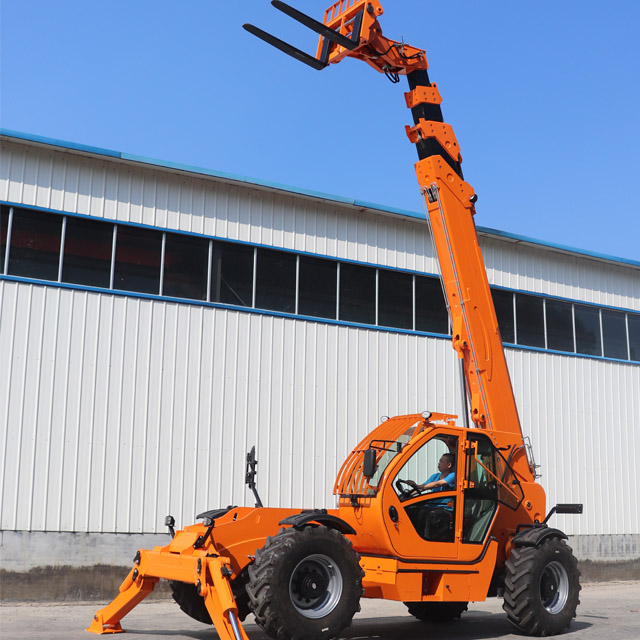
A telehandler, short for telescopic handler, looks like a mix between a forklift and a crane. It features a boom that extends forward and upward, allowing operators to place loads at various heights and distances.
Main Uses in Construction and Warehousing
Telehandlers are widely used in construction, agriculture, and material handling because of their ability to lift heavy loads and reach areas a traditional forklift cannot.
OSHA’s Perspective: Telehandler vs Forklift
Key OSHA Guidelines on Telehandlers
OSHA places telehandlers under the category of “rough terrain forklifts.” This classification means operators must follow similar training, inspection, and safety guidelines as forklift operators.
Training Requirements for Telehandlers
Certification Standards
OSHA mandates that telehandler operators must undergo certification to legally operate the machine.
Operator Safety Training
Training includes understanding machine controls, load limits, stability, and safe maneuvering practices.
Does OSHA Consider a Telehandler a Forklift?
Yes, OSHA considers a telehandler to be a type of forklift, specifically a rough terrain forklift. This means all forklift safety regulations also apply to telehandlers. While their structure differs from standard forklifts, OSHA classifies them similarly to ensure operator and workplace safety.
Regulatory Clarifications
OSHA’s classification helps employers understand that the same compliance and safety obligations apply.
Industry Interpretations and Case Studies
Many construction companies treat telehandlers under forklift regulations, ensuring all operators receive forklift training before use.
Safety Considerations for Telehandlers
Common Hazards with Telehandler Use
Overloading the boom
Tipping due to unstable terrain
Collisions in crowded worksites
OSHA-Approved Safety Practices
Conduct pre-shift inspections
Always wear seatbelts
Follow manufacturer load charts
Differences Between Telehandlers and Forklifts
Technical Distinctions
Forklifts use vertical masts, while telehandlers use extendable booms.
Telehandlers can operate on rough terrains more effectively.
Application-Based Differences
Forklifts are more common indoors, while telehandlers excel in outdoor, uneven terrain worksites.
Employer Responsibilities Under OSHA
Training Programs
Employers must ensure operators are trained and certified before using telehandlers.
Record-Keeping and Compliance
Employers are required to maintain training records and ensure compliance with OSHA inspections.
Best Practices for Safe Telehandler Operations
Daily Inspections
Inspect tires, brakes, hydraulic systems, and booms before each shift.
Proper Load Management
Always consult the load chart and avoid overextending the boom with heavy loads.
So, does OSHA consider a telehandler a forklift? The answer is yes. OSHA classifies telehandlers as rough terrain forklifts, which places them under the same regulatory and safety requirements as other forklifts. Understanding this classification helps businesses ensure compliance, improve safety, and reduce accidents. Employers should provide proper training, conduct inspections, and enforce safety practices to protect workers and maintain productivity.
FAQ
Q1: Does OSHA require telehandler operators to have forklift certification?
Yes. OSHA requires telehandler operators to undergo forklift certification since telehandlers are considered rough terrain forklifts.
Q2: Are telehandlers safer than forklifts?
Neither machine is inherently safer; safety depends on proper training, correct use, and adherence to OSHA standards.
Q3: Can telehandlers be used indoors like forklifts?
They can, but their large size and boom design make them less practical indoors compared to standard forklifts.
Q4: What industries most often use telehandlers?
Construction, agriculture, mining, and logistics commonly use telehandlers for lifting heavy materials.
Q5: What is the penalty for operating a telehandler without OSHA certification?
Employers face OSHA fines, penalties, and potential liability for accidents caused by uncertified operators.
Hot Products
What Are the Different Types of Stackers?
What Is a Telehandler Forklift?
What Is a Counterbalance Forklift
What Is Load Center in Forklift?